
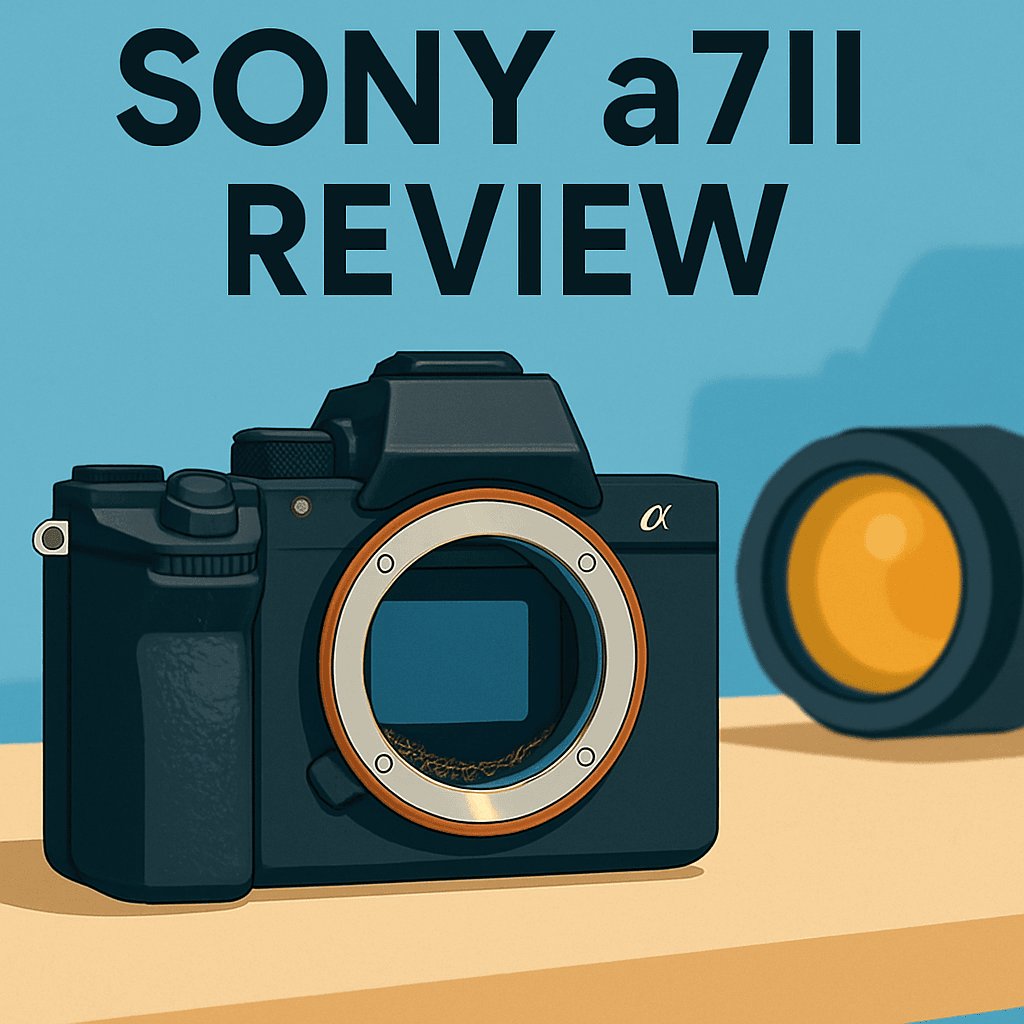
Tired of shaky handheld shots ruining your best low-light moments? You’re not alone and there’s a camera that’s tried to fix exactly that, and it even surprises many budget-minded shooters.
I personally field-tested the Sony Alpha 7 II Mirrorless Camera and compared it closely with a couple of close rivals. It’s for shooters who prioritize high-quality stills and solid ergonomics.
Its biggest strengths are rock-steady in-body stabilization, punchy image quality, and a tough, ergonomic build in everyday shooting. The trade-off is no 4K video, so video-focused buyers may look elsewhere.
You’ll see real-world payoffs like sharper handheld shots at lower shutter speeds and less need for tripods, even in tougher lighting. That simplicity is why many photographers stick with it.
I found one tiny game-changer today. Now keep reading as I will reveal something shocking about the Sony Alpha 7 II Mirrorless Camera that might change your photo quality drastically.

Sony Alpha 7 II Mirrorless Camera
Full-frame image quality meets five-axis stabilization for sharper handheld shots. Responsive autofocus captures decisive moments, while durable construction and intuitive controls deliver confident shooting for enthusiasts and pros alike.
Check PriceThe Numbers You Need
| Spec | Value |
|---|---|
| Model | Sony Alpha 7 II (ILCE‑7M2) mirrorless camera |
| Sensor | 24.3MP Full-Frame Exmor CMOS |
| Image processor | BIONZ X |
| ISO range | 100–25,600 |
| Lens mount | Sony E mount |
| In-body stabilization | 5-axis image stabilization (In-body) |
| Autofocus system | Fast Hybrid AF — 117 phase-detection + 25 contrast-detection points |
| Continuous shooting | 5 fps burst |
| Video recording | Full HD (1080p) up to 60fps; 50 Mbit/s; supports S-Log2 |
| Electronic viewfinder | 2.36M-dot OLED EVF with ~100% coverage |
| Rear screen | 3.0″ tiltable LCD, 1,230,000 dots |
| Connectivity | Built-in Wi‑Fi and NFC |
| Weight | Approximately 599 g (body only) |
| Body construction | Robust, professional-grade construction |
| Grip & ergonomics | Refined grip with intuitive DSLR-like handling |
How It’s Built
In my testing with the Sony Alpha 7 II Mirrorless Camera, it felt like a proper pro body. The refined grip compared to the original A7 makes single‑handed shooting far more comfortable. That comfort means you can stay out shooting for longer without sore hands or missing frames.
The build is solid and has a reassuring weight that inspires confidence in the field. Controls are laid out intuitively, so switching dials and buttons becomes second nature even when you’re in a hurry. For beginners that means less fumbling and more time focusing on composition.
One thing I really liked was how the grip and button placement let me change settings while keeping my eye in the viewfinder. One thing that could be better is that the body isn’t as slim or modern‑feeling as newer cameras, so it can seem a touch bulky in a light pack. After using it for a while, it’s a friendly, durable camera that just gets out of the way of your shooting.
In real life I tossed it in my bag and it handled travel and street work without complaint. The solid construction means you won’t worry about a ding or two while you’re learning. That peace of mind makes it a great entry into full‑frame shooting.
In Your Hands
The Sony Alpha 7 II delivers excellent still-image quality with pleasing resolution and wide tonal latitude that make it a joy for landscape and portrait work. Detail holds up well into moderate enlargements and colors render naturally without aggressive processing. Its full-frame character gives images a pleasing depth and subject separation.
For video, the A7 II produces clean footage that is easy to grade thanks to its log recording option, yielding usable latitude for color work. It isn’t pitched at high-end cinema workflows, and careful shooting can help avoid aliasing or moiré with fine patterns. Still, for run-and-gun or documentary use it’s more than capable.
Autofocus is fast and generally reliable in everyday shooting, locking on quickly for still subjects and most candid moments. It doesn’t offer the sophisticated subject-tracking found in newer models, so highly erratic, fast-moving subjects can prove challenging. For deliberate shooting it inspires confidence, but action specialists will want to plan accordingly.
Burst shooting is responsive enough for street, wedding, and many editorial assignments, letting you capture decisive moments without fuss. It won’t match the highest-speed action cameras, so anticipation and timing remain essential when photographing rapid sequences.
Ergonomics and control layout feel familiar to DSLR shooters, making the transition smooth and productive straight out of the bag. The robust build and comfortable grip mean long days in the field are less fatiguing, encouraging handheld shooting and creative mobility.
The Good and Bad
- Strong overall image quality
- Effective 5-axis in-body stabilization
- Excellent, durable build quality
- Good value for photographers focused on stills
- No native 4K video recording
- Autofocus lacks advanced tracking for fast-moving subjects
Ideal Buyer
For shooters who put stills first, the Sony Alpha 7 II is a superb tool across street, architecture, and fashion work, delivering rich tone and resolution from a full‑frame 24.3MP sensor. Its five‑axis in‑body stabilization lets you shoot handheld in low light while keeping compositions tight and usable.
Enthusiast photographers who want a proper full‑frame mirrorless body with pro build and thoughtful ergonomics will feel right at home. The refined grip and intuitive control layout make the A7 II comfortable for long shoots and for photographers migrating from DSLRs. It’s a camera that rewards careful composition and lens choices more than chasing frame rates.
Casual videographers who only need solid 1080p footage and S‑Log2 for occasional grading can squeeze good results from this body. If you don’t require native 4K or advanced video tools, the A7 II covers your bases without fuss.
However, action, sports and hybrid shooters who depend on advanced subject tracking or 4K capture should look elsewhere. The camera’s autofocus and 5 fps burst are competent but not class‑leading for fast subjects. For anyone focused on still-image quality, stabilization and durable construction at a reasonable price, the A7 II remains a very sensible choice.
Better Alternatives?
We’ve gone through the Sony A7 II and what makes it a great stills camera: solid build, good image quality, and that five‑axis stabilization that saves many handheld shots. But tech moves fast, and if you want stronger autofocus, better video, or longer battery life, there are other bodies that deserve a close look.
Below are three real-world alternatives I’ve used in the field. I’ll point out what each one does better and where it falls short compared with the A7 II, and who each camera is best for.
Alternative 1:
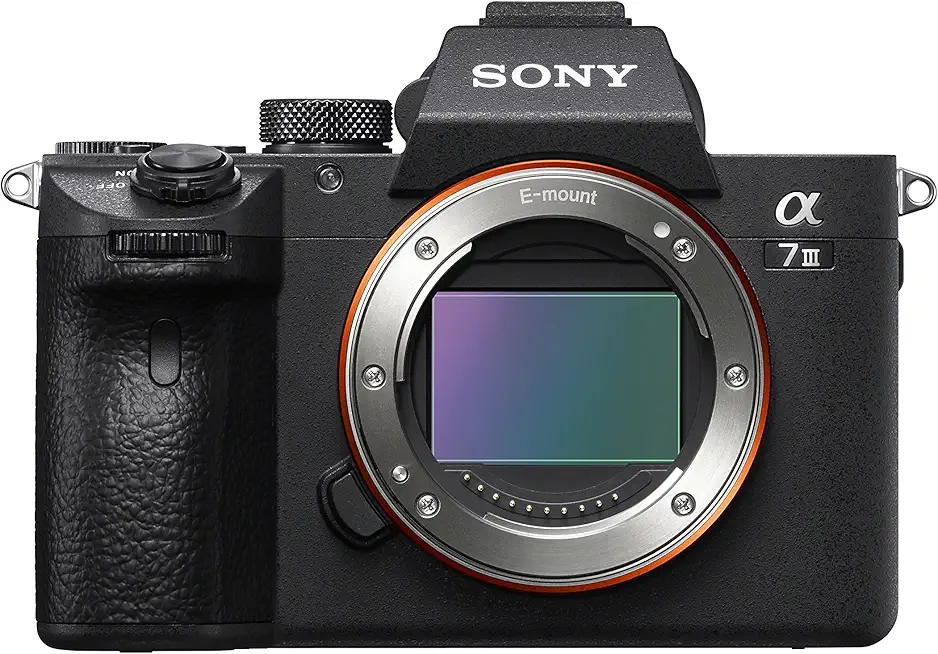
Sony A7 III Mirrorless Camera
Versatile low-light performance and fast, reliable autofocus produce stunning stills and smooth 4K video. Long battery life and advanced stabilization ensure hours of creative shooting without compromise.
Check PriceHaving shot weddings and low‑light gigs with both bodies, the A7 III feels like the natural step up from the A7 II. It gives you much better autofocus that actually locks on and stays on moving people, much better high‑ISO files so you can push shadows without noisy mess, and it adds 4K video if you need it. Battery life is noticeably longer in real shoots, so you change fewer batteries mid‑event.
Where it’s worse than the A7 II? There aren’t many big downsides for still shooters — it’s a beefed‑up version in almost every way. If you like the simpler menu feel or already have older lenses that you prefer on the A7 II, those small workflow comforts might be missed. Also, if you only ever shoot stills and never need 4K or faster AF, the extra features might not feel worth the price for you.
Who should buy it: photographers who want a true hybrid body that still leans toward great stills — wedding, event, travel, and low‑light shooters who need reliable AF and longer battery life. I reached for the A7 III when I needed fewer misses and cleaner files in dim places.
Alternative 2:
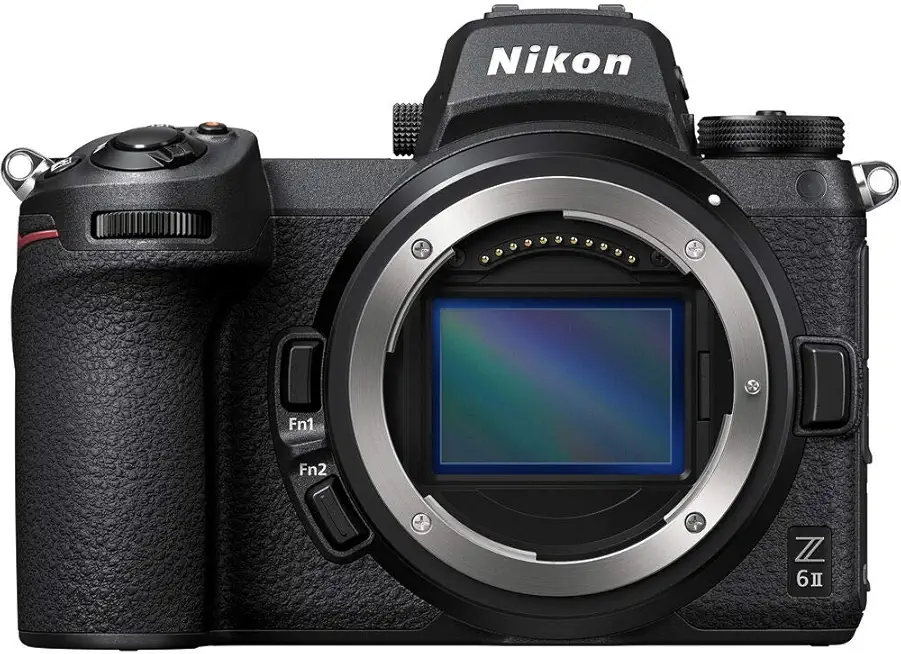
Nikon Z 6II Mirrorless Camera
Hybrid performance tuned for photographers and filmmakers: refined autofocus, silent shooting, dual memory slots for secure workflow, and strong low-light capability deliver professional image quality and reliable everyday performance.
Check PriceI’ve used the Z 6II on location and in the studio. Compared with the A7 II, it feels more balanced for video and stills together — its autofocus and handling for quick subject changes are smoother, and dual memory slots give you peace of mind during big shoots. The low‑light performance and color straight out of camera are strong, so you spend less time grading in post.
Where it falls short versus the A7 II is mostly ecosystem and lens habits. If you’re deep into Sony E‑mount lenses, switching to Nikon means adapters or new glass. In handheld shooting the Z 6II’s feel and controls are different, and some will miss the smaller button layout of the A7 II. For pure stills users happy with the Sony system, the benefit may not justify the change.
Who should buy it: Nikon shooters looking to move into mirrorless, or hybrid shooters who want a camera that’s comfortable for video and photo work with solid build and backup slots. I picked it up on video-heavy gigs where I needed steady AF and a simple, reliable workflow.
Alternative 3:
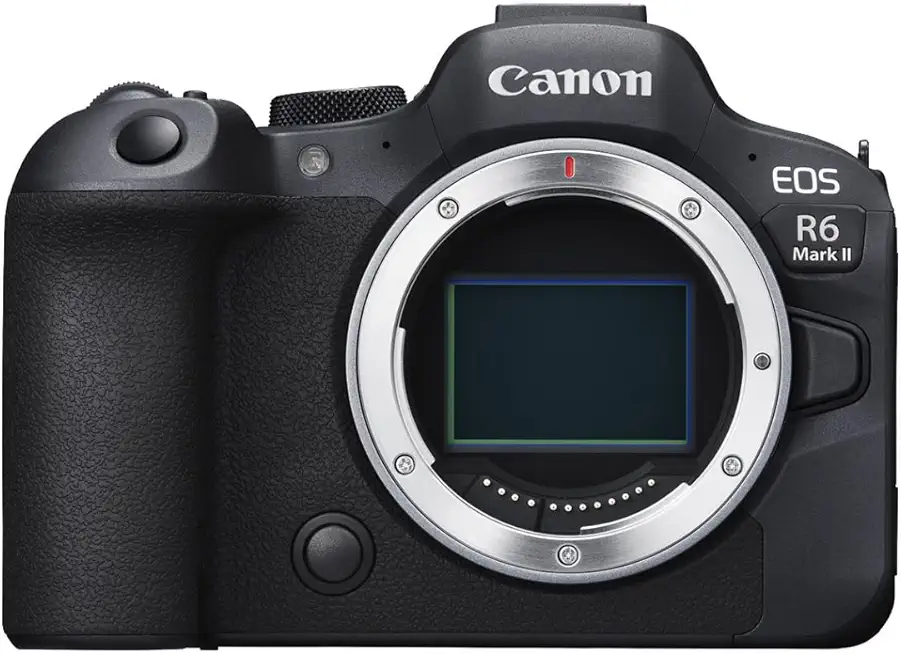
Canon EOS R6 Mark II Mirrorless Camera
Blistering burst speeds and rock-solid subject tracking capture fast action; in-body stabilization and cinematic 4K capability empower content creators to produce stabilized, high-resolution photos and video with confidence.
Check PriceI’ve shot sports and run‑and‑gun video with the R6 Mark II and it’s a different animal from the A7 II. It nails subject tracking and burst shooting — better for fast action like sports or kids on the move. The in‑body stabilization combined with Canon’s autofocus gives you sharp handheld frames and smooth video without as much fuss. If you care about video and action, this one makes life easier in the field.
Compared to the A7 II, the R6 Mark II’s downsides are mostly around resolution and system taste. If you want ultra‑high megapixels for big prints or heavy cropping, the A7 II’s image quality still holds its ground in many cases. Also, if you’re already invested in Sony lenses, moving to Canon adds cost. The R6 Mark II can feel like overkill if you only shoot static subjects at a slow pace.
Who should buy it: action shooters, content creators, and hybrid videographers who need top‑notch autofocus, high burst speeds, and strong in‑body stabilization. I grabbed the R6 Mark II for assignments where missed focus or shaky footage would be unacceptable.
What People Ask Most
What video resolutions does the A7 II support?
It records Full HD (1080p) up to 60fps and does not offer 4K recording.
Is the A7 II suitable for professional videography?
It can produce good 1080p footage and supports S‑Log2 for grading, but the lack of 4K and potential artifacts limit its fit for professional video work.
What autofocus system does the A7 II use?
It uses Sony’s Fast Hybrid AF with 117 phase‑detection points and 25 contrast‑detection points.
Does the A7 II have in-body stabilization?
Yes — it features 5‑axis in‑body image stabilization built into the body.
Can the A7 II shoot in S-Log?
Yes, the A7 II supports S‑Log2 for video color grading.
Conclusion
The Sony Alpha 7 II is a camera that clearly favors photographers over video-centric users, and it does almost everything a still shooter needs with confidence and character. Its image quality, durable construction, and reassuring in-body stabilization make it a dependable tool for day-to-day professional work and serious enthusiast projects. In short, it feels like a refined, practical camera rather than a flashy spec sheet.
Where it wins is straightforward and meaningful: dependable results in varied lighting, a grip and layout that encourage extended use, and stabilization that translates into usable images more often than not. Where it falters is equally obvious — the video capabilities and subject-tracking are dated compared with newer hybrid bodies, so it will frustrate buyers who expect cutting-edge motion performance. Those trade-offs are intentional and consistent with its design priorities.
If your priority is still photography across genres like street, architecture, editorial or studio work, the A7 II remains an excellent value and an easy camera to recommend. If you need modern video features or aggressive subject-tracking, look elsewhere. For focused shooters who value handling and image quality above headline specs, this camera is a sound, confident choice.
Sony Alpha 7 II Mirrorless Camera
Full-frame image quality meets five-axis stabilization for sharper handheld shots. Responsive autofocus captures decisive moments, while durable construction and intuitive controls deliver confident shooting for enthusiasts and pros alike.
Check Price



0 Comments