
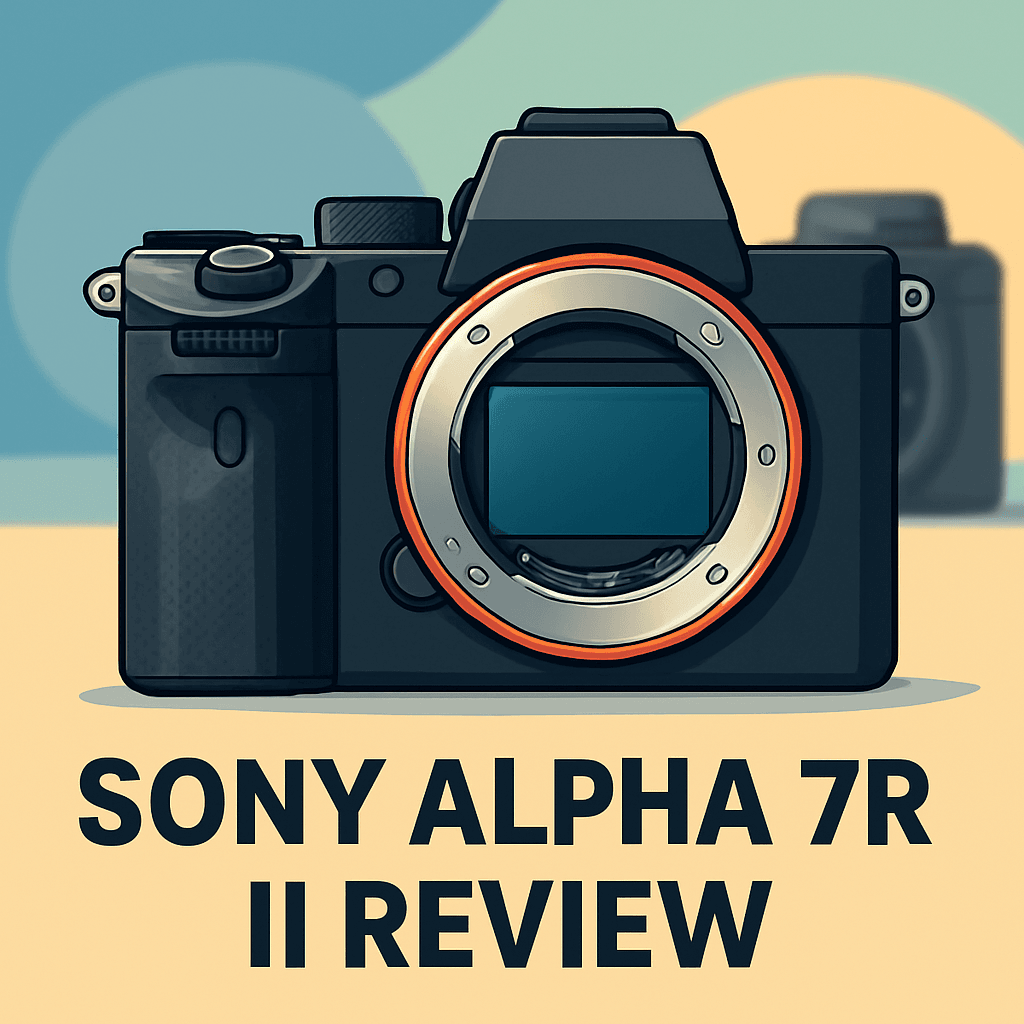
Want to know if the Sony Alpha 7R II will really lift your image quality and fit into your workflow?
I’ve shot with it on assignment and pushed it through real-world scenarios, so this review focuses on practical results rather than bench stats.
It brings ultra-high-res files, in-body stabilization, 4K video, and broad autofocus coverage — benefits that matter for landscape, studio, portrait, and hybrid shooters looking for detail and flexibility.
We’ll weigh handling, battery life, burst performance, and workflow trade-offs so you can see if it’s right for your shoots. Make sure to read the entire review as we test its strengths, limits, and who should upgrade — keep reading.

Sony Alpha 7R II Camera
Exceptional 42.4MP full-frame mirrorless body delivering stunning detail, five-axis stabilization, impressive low-light sensitivity, and robust build for demanding shoots. Ideal for high-resolution landscapes, studio, and event photography.
Check PriceThe Numbers You Need
| Spec | Value |
|---|---|
| Sensor | 42.4 MP full-frame |
| Image stabilization | 5-axis in-body |
| Autofocus | 399 phase-detect points |
| Video | 4K internal recording |
| ISO range | 100–25600 (expandable to 50–102400) |
| Continuous shooting | 5 fps |
| LCD | Tilting, 3.0″, 1,228,800 dots |
| Viewfinder | OLED, 2.36M dots, 0.78× magnification |
| Shutter speed | 1/8000s – 30s |
| Silent shooting | Yes |
| Body | Magnesium alloy, weather-sealed |
| Memory | Dual slots (SD/SDHC/SDXC, UHS-I compatible) |
| Connectivity | WiFi, NFC |
| Weight | Approx. 625 g (with battery and card) |
| Lens mount | Sony E-mount |
| Battery | NP-FW50, approx. 290 shots (CIPA) |
How It’s Built
In my testing the Sony Alpha 7R II feels like a camera built to last. The magnesium-alloy shell and weather sealing gave me real confidence on damp mornings and dusty trails. I liked how solid it felt in hand—nice reassurance for beginners who worry about gear holding up outdoors.
The body stays surprisingly balanced with a range of lenses, so carrying it all day didn’t wear me down. The grip is comfortable and the main dials fall naturally under my fingers, even when I was wearing gloves. One thing that could be better is the viewfinder and screen feel compared to newer models; they work well, but they don’t feel cutting-edge anymore.
The tilting LCD is genuinely useful for low or high shots, and the EVF gives a reliable preview when composing. In my shooting I appreciated the quick, confident framing the screen allowed, which is great for learning composition. Button placement is sensible, making the camera approachable for beginners without too much fiddling.
Dual card slots are a big practical win for backup or extra storage on location. Wi‑Fi and NFC made quick client previews painless, though I still reach for a cable for studio tethering. After using it for a while I found the build durable and dependable, with only a few modern polish points I’d change.
In Your Hands
Out of the bag the Sony Alpha 7R II feels responsive — viewfinder and menus are snappy and it composes like a professional body should — but the camera’s appetite for high-resolution files becomes obvious in playback and when writing files after sustained shooting. Shot-to-shot cadence is pleasant for everyday work, though heavy editing and review cycles slow the workflow compared with lighter-file bodies.
The continuous shooting rate is modest by modern action standards and is best suited to portrait bursts, street moments, and candid sequences rather than nonstop sports coverage. In practice the buffer is reliable for short bursts, but long run-and-gun sequences demand a pause to let the camera clear its memory before resuming full speed.
The mechanical shutter has a solid, confidence-inspiring feel, and the silent electronic mode is genuinely useful for weddings, theater, and wildlife where discretion matters. Between the two you can choose presence or invisibility depending on the assignment without sacrificing consistency.
Multi-axis in-body stabilization is one of the camera’s most tangible benefits — handheld keeper rates improve noticeably and you can get usable slow-shutter shots without dragging a tripod everywhere. For travel and low-light shooting that flexibility cuts setup time and expands creative options.
Battery life shapes how I plan a day: expect to carry spares, practice conservative power habits, and limit heavy review on location to conserve charge. A small charging routine and a disciplined swap strategy become part of professional fieldwork with this body.
High-resolution internal video works well for run-and-gun projects, with stabilization and in-camera exposure aids making handheld clips more usable straight from the camera. Built-in wireless pairing is a practical tool for quick client previews and remote control on location, while tethered setups still dominate disciplined studio workflows.
The Good and Bad
- 42.4 MP full-frame sensor with strong detail potential
- 5-axis in-body image stabilization
- 4K internal recording
- 399 phase-detect AF points
- Continuous shooting at 5 fps
- Battery life approx. 290 shots (CIPA) with NP-FW50
Ideal Buyer
If your priority is absolute resolution and print-ready detail, the Sony Alpha 7R II is a natural fit. Its 42.4MP sensor and 5-axis IBIS deliver the kind of finely textured files landscape, studio, product, and fine-art shooters crave. Hybrid creators who want usable 4K alongside exceptional stills will also find its balance of image quality and features compelling.
Use it handheld to exploit the stabilization and drop your ISO sensibly for cleaner, more nuanced tones and larger print crops. In studio and product work the files reward sharp glass and methodical lighting, though expect bigger files, longer processing times, and deliberate storage planning. The dual SD slots and familiar E-mount ecosystem make it practical for assignment workflows, but they also underline that this body is optimized for quality over breakneck speed.
Think twice if you shoot fast-paced events, sports, or need marathon battery life and deep continuous AF tracking. For photographers who live or die by 10+ fps, modern eye-tracking AF, or extended CIPA runtimes, newer bodies offer meaningful gains over the A7R II’s 5 fps and ~290-shot endurance.
Better Alternatives?
We’ve gone through the Sony Alpha 7R II in detail — what it gets right and where it shows its age. It’s a great high‑resolution full‑frame body with solid IBIS and excellent image quality, but there are newer bodies that solve some of its real‑world limits: slower burst rate, shorter battery life, and an EVF/LCD that’s less crisp by today’s standards.
If you’re thinking about stepping up from the A7R II, or want something that fits a different kind of shooting day (long assignments, faster action, or even bigger prints), here are hands‑on alternatives I’ve used and what they mean for real shoot situations.
Alternative 1:

Sony Alpha 7R IV Camera
Flagship 61MP sensor produces extraordinary resolution for massive prints and tight crops. Advanced autofocus, extended buffer, and durable weather-sealed construction empower professionals across commercial, wildlife, and studio assignments.
Check PriceI’ve used the A7R IV on both studio jobs and landscape trips — the single biggest difference from the A7R II is how much more detail you can squeeze out. That extra resolution matters when you crop tightly or print really large. The newer autofocus and tracking are also noticeably more confident, so I miss fewer keepers on fast‑moving subjects than I did with the A7R II.
That said, the 61MP files are heavier work. You’ll spend more time and money on storage and editing, and lenses show their limits more quickly — stop down or use better glass to get the best results. The body is also a bit bigger and heavier, and handheld shooting becomes a bit more demanding because the resolution shows handshake more easily.
If you’re a commercial shooter, landscape pro, or studio photographer who needs the absolute most detail and better AF reliability, the A7R IV is a clear step up. If you travel light a lot or want faster throughput without massive files, the A7R II still has appeal.
Alternative 2:
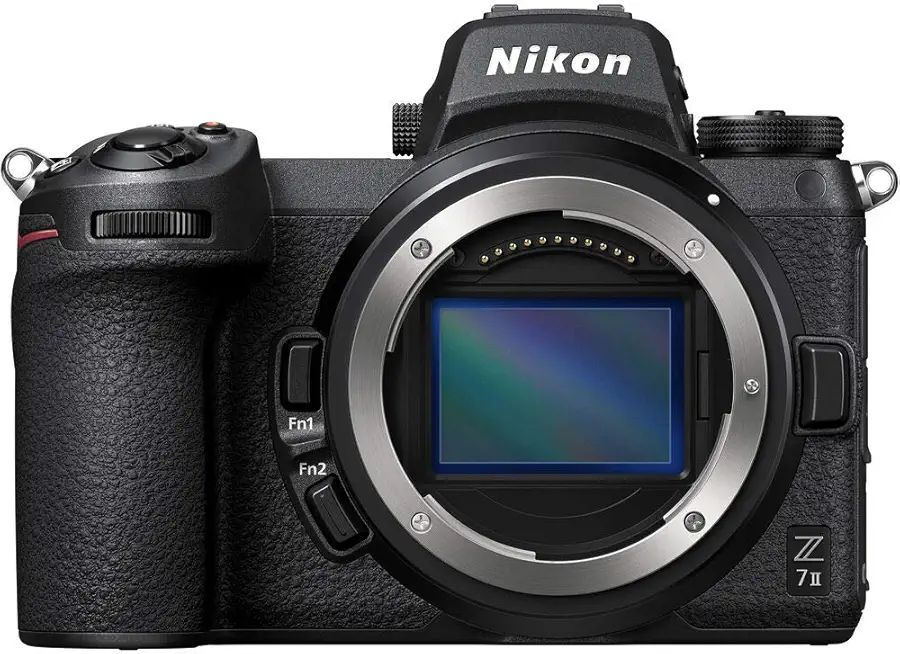
Nikon Z 7II Camera
Powerful 45.7MP mirrorless system offering dual processors for faster performance, improved battery life, and refined autofocus. Excellent dynamic range and stabilization make it a versatile choice for pro shooters.
Check PriceOn long jobs I’ve used the Z 7II and appreciated how it simply lasts and behaves. Battery life and ergonomics are better day‑to‑day compared with the A7R II, and the dual card slots give peace of mind on weddings and paid events. The AF feels quicker and steadier in dim light and for eye detection, which means fewer missed frames in tight portrait work.
Where it’s not as strong is lens variety compared with Sony’s E‑mount — you can adapt F‑mount glass, but that adds weight and sometimes changes AF feel. The files and color rendering are slightly different from Sony, so you may need to tweak your workflow to match the look you prefer. It’s also not a huge jump in resolution over the A7R II, so if you mainly want more megapixels the A7R IV is the bigger leap.
Choose the Z 7II if you shoot long days, need reliable dual‑card backups, or want slightly better battery and AF performance in real shoots. It’s a solid pick for landscape, studio, and event shooters who want modern handling without diving into the biggest file sizes.
Alternative 3:
Nikon Z 7II Camera
Refined professional body balancing high-resolution imaging and responsive handling. Dual card slots, silent shooting, and customizable controls ensure reliability for long shoots, landscapes, portraits, and on-location productions.
Check PriceThinking about reliability on location, the Z 7II really shows its strengths. Silent shooting is truly useful for quiet ceremonies or studio still life, and the body balance plus button layout makes long handheld stretches less tiring than the A7R II felt to me. Custom controls let you set up the camera to match how you work, which speeds things up on tight schedules.
Against the A7R II, the Z 7II gives you more confidence on long assignments and better out‑of‑the‑box usability. It won’t match the A7R IV for sheer pixels, and if you already have a big E‑mount lens collection the Sony system still wins on native glass choice. But in everyday shooting where reliability, quiet operation, and a comfortable grip matter, the Z 7II is a smart, practical upgrade.
If your work is run‑and‑gun events, on‑location commercials, or long landscape days where comfort and backup slots matter, you’ll likely prefer the Z 7II. If you’re tied to E‑mount lenses or want the absolute highest resolution, stick to Sony options instead.
What People Ask Most
Is the Sony A7R II worth buying?
Yes—if you want high-resolution 42MP files on a budget and can live with older autofocus and battery life, it’s a strong value, especially used. If you need modern AF speed or battery endurance, consider newer models.
How does the Sony A7R II compare to the A7R III?
The A7R III adds much better autofocus, longer battery life, faster continuous shooting, a larger buffer, and dual card slots, so it’s the more capable all-around camera. A7R II is still excellent for resolution if price is a priority.
How good is the autofocus on the Sony A7R II?
Autofocus is solid for portraits and landscapes with 399 phase-detect points, but it’s slower and less reliable in low light or for fast action compared with newer bodies. Expect good results in controlled shooting situations.
Is the Sony A7R II good for video?
Yes, it shoots internal 4K (oversampled from 5K) and handles color well with S-Log2, but it lacks some modern video conveniences and can run hot during long 4K clips. For serious video work, you may want external monitoring/recording and careful settings.
What is the battery life of the Sony A7R II?
Battery life is modest—around 250–350 CIPA shots per charge with the NP-FW50—so plan for spare batteries on full shoots. Using electronic viewfinder and video will reduce runtime.
What are the best lenses for the Sony A7R II?
Top choices are the Sony FE 24-70mm f/2.8 GM, 70-200mm f/2.8 GM OSS, 55mm f/1.8 ZA, and 35mm f/1.4 GM for sharp, high-resolution results; also consider quality third-party or adapted lenses for specific needs.
Conclusion
The Sony Alpha 7R II Camera remains a compelling tool for photographers who prize resolution and image fidelity. Its high-res sensor, five-axis IBIS, internal 4K capture and expansive phase-detect AF deliver images and flexibility that still punch above its age, giving serious print and commercial work a clear advantage. For landscape, studio and fine-art shooters who prioritize detail and handheld sharpness, it’s a practical, creative workhorse.
Its compromises are equally clear and unavoidable. The modest burst rate, shorter battery endurance, and an EVF/LCD that feel dated compared with current flagships constrain action, event and all-day shooting workflows. Slower card throughput and processing demands mean it rewards patience and investment in faster storage and more powerful editing rigs rather than speed-first production environments.
Buy the A7R II today if you want peak resolution with IBIS in a weather-sealed body, especially as a value pick on the used market, and can accept tradeoffs in speed and battery life. Step up to later models if you need faster continuous shooting, longer runtime, more sophisticated AF tracking, or a modern tethering and video pipeline. Ultimately it’s a high-value camera for detail-focused creatives who prioritize image quality, but it isn’t the right answer for every hybrid or action-oriented pro chasing top-tier speed and autofocus.
Sony Alpha 7R II Camera
Exceptional 42.4MP full-frame mirrorless body delivering stunning detail, five-axis stabilization, impressive low-light sensitivity, and robust build for demanding shoots. Ideal for high-resolution landscapes, studio, and event photography.
Check Price


0 Comments