
What are lens wipes made of, and could they damage your camera glass or eyeglass coatings?
This short guide breaks down the two main parts: the wipe fabric and the liquid solution. You’ll get a clear list of common ingredients and what each one does.
We explain solvents, surfactants, coating compatibility, and safety tips so you can choose the right wipe. Expect simple tests, label checks, and photo examples to make it easy.
Read on for quick, practical answers and safe cleaning steps. By the end you’ll know what to avoid and how to use lens wipes correctly.
Ingredients of lens wipes
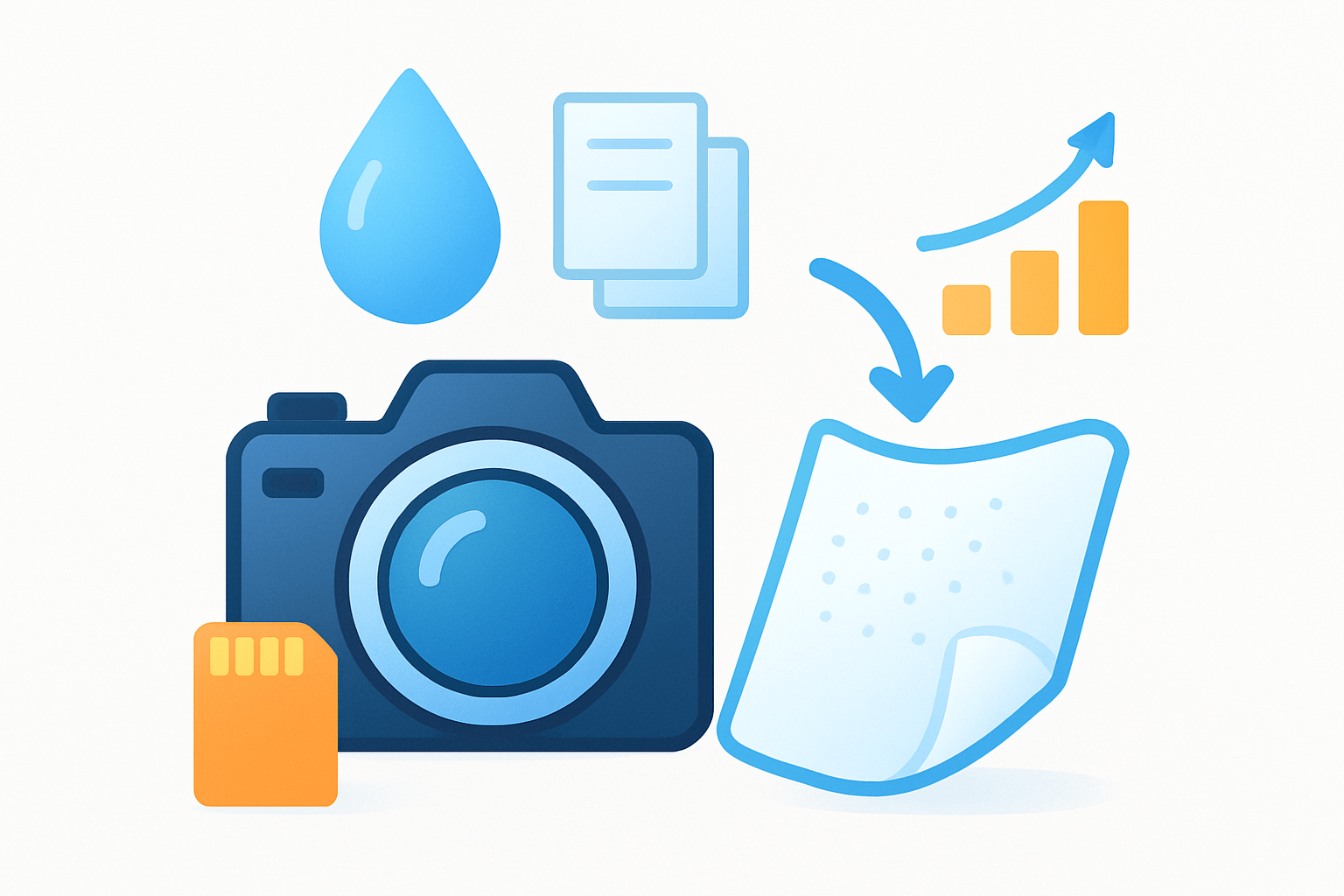
Answering what are lens wipes made of: lens wipes are a low‑lint fabric saturated with a mild cleaning solution made of water, solvent(s), surfactant(s), and small functional additives like preservatives, buffers, chelators, and anti‑static or anti‑fog agents. That is the short chemistry behind a streak‑free swipe.
Think of a wipe as two parts working together. First is the substrate, then the liquid that does the cleaning and dries without residue.
The substrate is usually a soft non‑woven made from microfiber, cellulose/polyester blends, or microfine tissue. It must be low‑lint and strong enough to wipe without shredding.
The liquid matrix is mostly deionized water plus a solvent for oils and a mild detergent to lift smudges. The rest are tiny amounts of ingredients that keep the formula stable and safe.
Solvents and alcohols dissolve fingerprints and speed drying. Surfactants lower surface tension so the fluid spreads, lifts oils, and transfers grime into the wipe. Buffers adjust pH, chelators grab metal ions that cause haze, preservatives prevent microbial growth, humectants or viscosity modifiers control glide, denaturants deter ingestion, antistatic or anti‑smudge agents tame dust, and fragrances or dyes may be present for brand feel.
Common names you may see include deionized water, isopropyl alcohol, ethanol, polysorbate 20, alkyl polyglucosides, glycerin, propylene glycol, EDTA, and benzalkonium chloride. Some brands use quats or biguanides as antimicrobials, others use isothiazolinones that can trigger allergies in sensitive users. You might also spot denatonium benzoate as a bittering agent, and trace silicone polymers for glide.
For a quick visual, photograph a close‑up of the wipe fabric and a labeled droplet showing water, solvent, and surfactant zones. Check product labels and SDS from several brands to compare single‑use sachets versus bulk tubs, as bulk packs often lean on stronger preservatives and slightly more humectant to fight drying.
Common solvents used in lens wipes
The most common solvents are isopropyl alcohol and ethanol. They cut through skin oils fast and evaporate quickly, which helps with streak‑free results.
When people ask what are lens wipes made of, they often picture the alcohol alone. In reality, alcohol works with water and a tiny dose of surfactant to wet evenly and lift grime.
Co‑solvents such as propylene glycol, dipropylene glycol, or glycerin may be added in tiny amounts. These slow the drying slightly, reduce drag, and help prevent white cast on cold glass.
Avoid strong solvents like acetone, methyl ethyl ketone, or ammonia on coated optics. These are not typical in consumer wipes and can attack lens barrels, cements, and delicate coatings.
Alcohol formulas are flammable and can be restricted in transit, so check SDS and percent ranges rather than assuming a universal number, and pack responsibly when you fly. If you are comparing products, this forum thread on the best cleaning solution shows how much real‑world preference depends on drying speed and residue tolerance.
Surfactants and cleaning agents in lens wipes
Surfactants are the quiet workers that make water spread and let oil release from glass. They lower surface tension, emulsify fingerprints, and let the substrate lift the mess away.
For optics, mild non‑ionic surfactants are favored because they rinse clean and are gentle. You will see polysorbate 20, alkyl polyglucosides, and sometimes amphoteric agents used at very low levels.
Some brands add antistatic or anti‑smudge polymers, including light siloxanes, for smoother glide. These can help in the short term but may leave a faint film if used heavily over months, so watch for haze under raking light.
A simple demo at home proves the point: place a fingerprint on an old filter and wipe once with water, then with a surfactant formula, and check streaks under a bright side light. “Streak‑free” claims have merit when the ingredient list shows balanced alcohol plus a mild non‑ionic, not heavy scents or dyes.
Effects of ingredients on lens coatings
Modern lenses use thin‑film stacks for anti‑reflective performance and oleophobic or hydrophobic top coats for smudge resistance. These layers are thin, and their chemistry matters in daily cleaning.
High alcohol exposure, ammonia, strong ketones, or harsh detergents can soften binders or reduce oleophobic behavior over time. Damage can be immediate with aggressive solvents, or gradual as repeated cleaning erodes the top coat’s easy‑clean effect.
Most scratches come from grit, not chemistry, so never grind a particle into the glass. Chemistry damage is cumulative and subtle, showing up as more smears and slower beading months later.
For premium glass, follow your maker’s care sheet, and prefer alcohol‑free or manufacturer‑approved wipes when in doubt. Community threads that ask if lens wipes safe mirror this advice, and the safest route is to test on a spare filter first. Reminder: always check the lens or coating manufacturer’s guidance before routine use.
Safety considerations when using lens wipes
Keep liquids away from your eyes and never use lens wipes on contact lenses. If fluid gets in your eyes, flush with water and read the SDS and label for first‑aid guidance, and be mindful of skin reactions to preservatives or fragrance.
Warning: alcohol‑based wipes are flammable, so keep them away from heat, sparks, and open flames, and let glass fully dry before approaching ignition sources. Store sealed packs cool and upright, and follow airline rules if you travel with them.
Single‑use wipes create waste, and many non‑wovens contain synthetic fibers that act like microplastics. Choose biodegradable substrates when you can, and throw wipes in the trash—do not flush.
Before wiping, blow off grit, use light pressure, and wipe in one direction to move debris off the edge. Avoid aggressive rubbing on AR coatings, especially if the wipe feels dry or draggy.
Single sachets stay fresh longer and travel well, while bulk tubs can dry out once opened and need faster turnover. Watch expiry dates, discard any wipe that smells odd or has yellowed liquid, and learn a gentle routine to clean your lens without overworking the coatings; if you worry about what are lens wipes made of, read the ingredient list and choose a balanced, coating‑safe formula.
What People Ask Most
What are lens wipes made of?
They are soft nonwoven cloths premoistened with a mild cleaning solution, usually water mixed with a small amount of alcohol, gentle detergent, and preservatives.
Are lens wipes safe for eyeglasses and camera lenses?
Most lens wipes labeled safe for optics work fine on eyeglasses and camera lenses, but choose wipes made for coated lenses and avoid ones with harsh chemicals.
Can I use lens wipes on contact lenses?
No, you should not use disposable lens wipes on contact lenses; contacts need sterile solutions made for eye use.
Are alcohol-free lens wipes better for lens coatings?
Alcohol-free wipes are often gentler and safer for delicate coatings, though you should still follow the lens maker’s care instructions.
How do I use lens wipes without scratching my lenses?
Use a fresh wipe and gently wipe in a circular motion without pressing hard, and avoid rubbing if you feel grit on the lens.
Can I make DIY lens wipes at home?
You can make reusable lens wipes by dampening a clean microfiber cloth with distilled water and a drop of mild soap or a weak alcohol solution, but avoid household cleaners.
Are disposable lens wipes bad for the environment?
Some disposable wipes are not biodegradable and can be harmful, so look for biodegradable options or use reusable microfiber cloths instead.
Final Thoughts on Lens Wipes
If you ever inspected a packet stamped 270, that little code sits on the same label that lists deionized water, alcohols and mild surfactants — the very answer to the opening question about what are lens wipes made of. They offer a fast, low‑lint way to lift oils and smudges so your optics stay clear for shooting or reading. We broke the makeup down so you know what cleans, what controls drying, and what might leave a film.
That said, not all wipes are equal — higher alcohol mixes and some detergents can wear at fragile coatings over time, and the real scratch risk still comes from grit, not chemistry. Photographers, eyeglass wearers and anyone with coated glass benefit most from choosing approved formulas, testing on a spare lens and using gentle, one‑direction wipes. The article answered the opening hook by laying out ingredients, solvent tradeoffs, surfactant roles, coating effects and safety checks.
Armed with those notes and the simple tests, you’ll be able to pick and use wipes with more confidence. Treat your lenses kindly and they’ll keep giving you sharp images and clear views for years.




0 Comments