
You’re tired of guessing and ending up under- or over-delivering to clients. You’ve probably asked yourself how many photos should i give my client and felt unsure. This piece will help you promise right counts, price fairly, speed up turnaround, and avoid scope disputes.
You’ll get clear benchmarks for portraits, weddings, events, and commercial work without guessing, so clients get what they need. I’ll show how better prep and simple contract language prevents disputes and scope creep. You’ll also learn one surprising mistake most shooters make about delivery counts and how it hurts bookings.
This guide is aimed at wedding and event pros, portrait shooters, commercial photographers, and studio owners. You’ll come away with tips to protect your time, set fair pricing, reduce editing backlog, and cut client confusion. If you want the one simple change that fixes common delivery headaches, keep reading because the fix is simpler than you think.
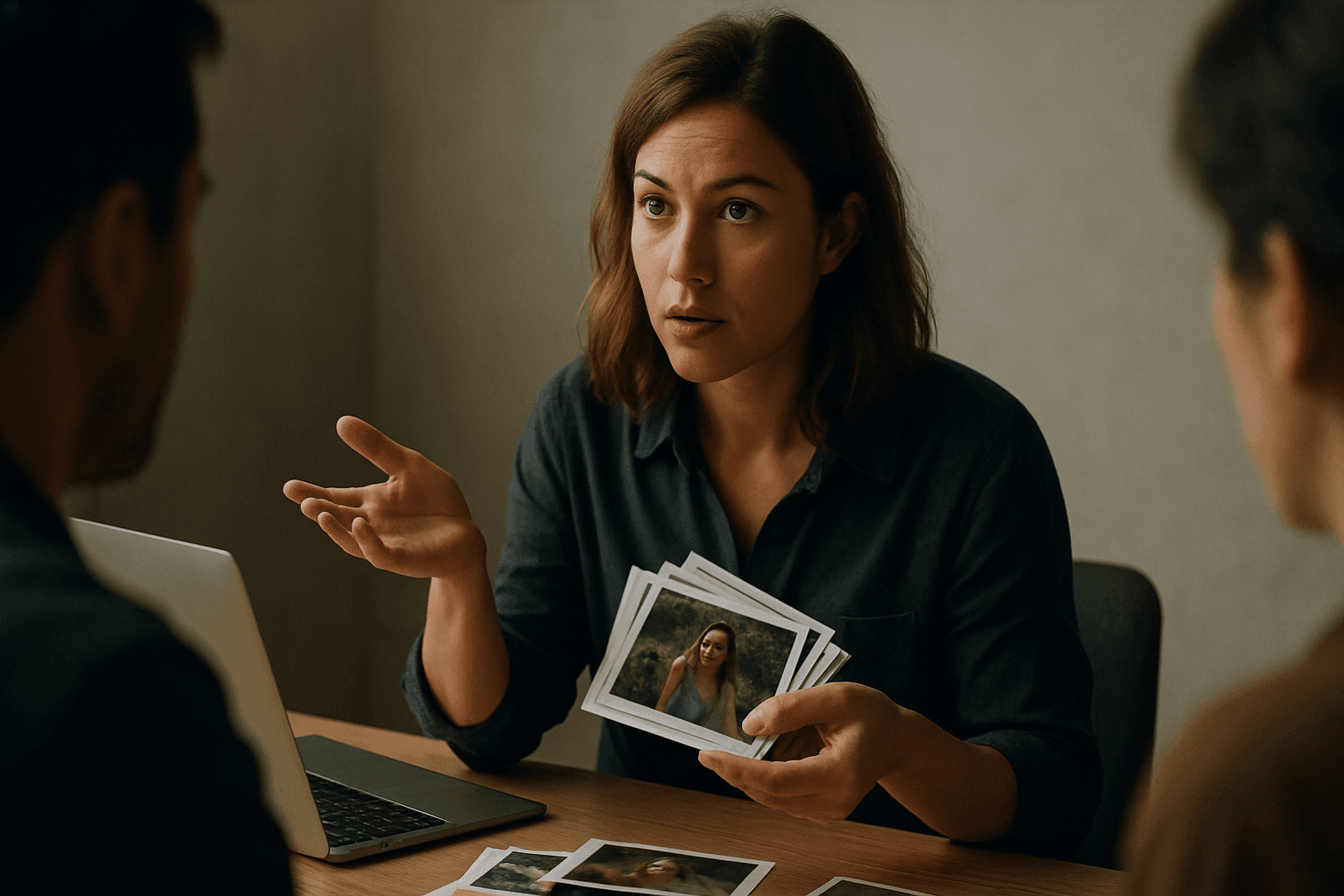
Typical image delivery ranges by photography genre
When photographers ask, “how many photos should I give my client,” the honest answer depends on genre and intent. Editorial and commercial assignments usually deliver 1–5 final selects. Those images are highly produced and heavily retouched to meet specific briefs.
For portrait sessions, I plan 20–40 delivered images from a typical hour. That range covers a variety of poses, expressions, and close‑ups without overwhelming a beginner. It aligns with sensible guidance on how many images to supply.
Small business or intimate event coverage often lands around 35–50+ images for a full day, especially when the brief prioritizes hero shots and key moments over exhaustive play‑by‑play. Think of brand storytelling highlights rather than every handshake.
Weddings are a different beast: I anticipate 600–1,000 edited images, roughly ~100 images per hour of coverage. That volume matches real‑world expectations and common wedding delivery guidelines.
Hit rate varies by session type. Editorial shoots have low hit rates because each frame is refined for perfection, while events trend higher since many moments are usable. Plan your promise to match that reality.
How to set client expectations on photo quantity before the shoot
Before I pick up the camera, I write exactly what I’ll deliver. My proposals state a realistic range and, when helpful, an exact promise tied to scope. This removes uncertainty from the start.
For larger jobs, I add a guaranteed minimum to prevent disputes. For example, “Minimum of 500 edited images for a 12‑hour wedding,” and then I note the typical range above that floor. The minimum is a safety net, not a ceiling.
I also explain how creative choices affect volume. If a client wants multiple locations or wardrobe changes, we agree how that impacts “how many photos should I give my client” so the final gallery feels intentional, not random.
Relationship between shooting volume, culling process, and final deliverables
Every job follows the same pipeline: shoot, cull, edit, deliver. Culling means selecting the best frames and removing duplicates, test shots, and blinks. It’s where quality control happens.
Hit rate is simply final images divided by total shots. On a wedding, I might capture 5,000 frames and deliver 700, a 14% hit rate. For a portrait hour, 500 frames may become 30 images, around 6%.
For a small business brand day, 800 frames might distill to 35–50 finals. The lower count reflects careful storytelling and consistency, not stinginess. Fewer images can be stronger when each has purpose.
If you want a deep dive on balancing volume and value, I recommend this concise discussion on deliverables. It mirrors what I see in the field and helps clients understand the numbers.
Quality vs quantity: impact on client satisfaction
Clients remember how the images feel, not how many you delivered. I’ve seen tighter edits outperform bloated galleries because each photo earns its place. Clarity beats clutter.
Over‑delivering can actually overwhelm decision‑making. When a couple gets 1,800 wedding images, they stop scrolling. Give the story, not the haystack.
When selection matters, I provide a small proof set—lightly edited previews clients choose from. Proofs are quick color and exposure corrections, not final retouching, and they keep the curation collaborative.
Delivery formats, resolution and image-size standards
For final files, I export full‑resolution JPEGs at 300 ppi for print and high quality (90–100) compression. Ppi means pixels per inch, a print density guideline for labs and designers.
When a client needs press‑ready files, I can deliver TIFFs and CMYK conversions. TIFF is a lossless format favored by print pros, and CMYK is the color space used on printing presses.
Most clients also appreciate a set of web‑ready JPEGs, resized and sharpened for fast loading. That way social media managers don’t have to downscale giant files on deadline.
RAW files are like digital negatives—maximum flexibility, but not presentation‑ready. I only provide RAW on contract, with clear terms for usage, storage, and transfer logistics.
Pricing strategies tied to delivered image counts
For editorial and advertising, I price per image because the count is small and the value per frame is high. Usage licensing and retouching depth further shape that figure.
For weddings and events, I lean on package or day rates that anticipate 600–1,000 final images. The price reflects coverage time, second shooters, and the editing volume that follows.
When clients request more than the agreed count, I charge either per additional edited image or by bulk editing time. That keeps scope, schedule, and quality aligned with reality.
How client type (agency vs small business) influences photo count
Agencies usually want a handful of high‑value images that fit a campaign. They’ll trade quantity for meticulous control and tight usage rights. Every pixel has a purpose.
Small businesses and event clients favor larger galleries for marketing variety and coverage. They need portraits, details, and atmosphere to fill websites, socials, and newsletters.
When they ask “how many photos should I give my client,” I explain these norms and tailor the promise. Matching the gallery size to the client’s goals prevents disappointment later.
Sample contract language on guaranteed image counts
For weddings: “Photographer guarantees a minimum of 500 edited images for up to 12 hours of coverage, with a typical range of 600–1,000 images, delivered within eight weeks.” Clear and simple.
For portraits: “Client will receive 20–40 edited images from a one‑hour session, with an online proof gallery for selection within seven days and finals delivered within three weeks.”
For small business brand days: “Client will receive 35–50 edited images focused on agreed storylines, plus web‑sized versions. Additional edits are available at the standard per‑image rate.”
Always add terms on ranges, delivery windows, reshoot conditions, and extra‑image fees. This language turns the vague “how many photos should I give my client” into a measurable promise.
Post-processing workload implications of delivery volume
Higher image counts don’t just add seconds—they add hours. Culling thousands of frames, syncing color, and retouching faces scale linearly with volume. Timelines must respect that math.
I manage the load with batch culling, preset baselines, and strategic outsourcing for bulk corrections. Those tools keep turnaround tight without sacrificing consistency.
Because time is money, I price to include realistic post‑production. When clients ask for more images, I explain the added labor and offer options to meet budget and deadline.
Digital delivery methods and client gallery options (pros and cons)
Online galleries are my default. They’re easy to share, password‑protected, and let clients favorite images for albums. The downside is storage limits and occasional download confusion.
Cloud links and downloadable ZIPs are fast for teams that know their workflows. They can be less friendly for non‑techy clients and risk link expiration if not managed well.
USB drives are tangible and offline, helpful for archival delivery. They’re slower to ship, and newer laptops may need adapters. I treat them as a backup, not the primary method.
For collaborative projects, I open a proof gallery first, then deliver finals. Proofs invite feedback while keeping unretouched images clearly labeled as not final.
Using hit-rate analysis as a productivity and quality metric
I track hit rate per job: finals divided by total captures. Over time, patterns emerge that inform estimates, shot lists, and gear choices. Data turns guesses into guarantees.
Portrait and advertising work often show lower hit rates due to exacting standards. Events and weddings trend higher because more candid moments are usable with light edits.
I use these metrics to set deliverables and prices confidently. When my hit rate improves, I may promise slightly more, but never at the expense of consistency or story.
What People Ask Most
How many photos should I deliver to my client after a wedding shoot?
I typically deliver about 600–1,000 fully edited images for a full wedding (roughly ~100 images per hour), and I often state a guaranteed minimum—for example, 500 edited images for a 12‑hour wedding—to avoid disputes.
What is the typical number of images given for a commercial or editorial assignment?
For commercial/editorial work I usually provide a very small set of final selects, often 1–5 high-value images, because agencies typically want a few polished options with strict usage terms.
Should I guarantee a minimum number of photos in my photography contract?
Yes—I recommend including a clear guaranteed minimum and a realistic delivery range in the contract (for example: “Client will receive a minimum of 500 edited images for a 12‑hour wedding”) to set expectations and reduce disputes.
How do I manage client expectations around image quantity?
I manage expectations by stating exact promises and realistic ranges in writing before the shoot, including any guaranteed minimums, and by offering proof galleries or selection rounds when useful.
What image resolution and size should I deliver?
I deliver final images at full resolution suitable for print (around 300 ppi) as high-quality JPEGs (90–100), and provide TIFF/CMYK, resized web JPEGs, or RAW files only when the client’s use-case requires them.
Is it better to deliver fewer, highly edited images or many unedited ones?
I prefer delivering fewer, highly edited images because quality usually increases client satisfaction; if clients want more options I offer a small set of unedited or lightly edited proofs for selection to avoid overwhelming them.
What delivery methods are standard for providing images to clients?
I use online galleries for proofing and easy access, cloud links or downloadable ZIPs for full delivery, and USB drives for physical handoffs—choosing the method based on accessibility, security, and the client’s technical comfort.
Final Thoughts on Delivering the Right Number of Images
If you typed how many photos should i give my client into a search bar, you came with a painful worry: will you under- or over-deliver? This article replaced that uncertainty with a realistic framework for setting expectations, linking shooting habits to deliverables and pricing so you can make confident promises before you hit the shutter.
At heart, the piece arms you with a decision-making lens so you can match image counts to client needs without guessing. One caution: following ranges isn’t a substitute for clear written promises and knowing your own editing capacity—over-promising still creates headaches.
Photographers who shoot weddings, events, and small business work will probably get the biggest immediate value, though commercial shooters benefit from thinking in terms of select quality rather than volume. We opened with the fear of delivering the wrong number; by mapping expectations, workflows, and delivery options we turned that fear into a plan, so try this approach on your next booking and see how it steadies client satisfaction and your bottom line.


0 Comments