
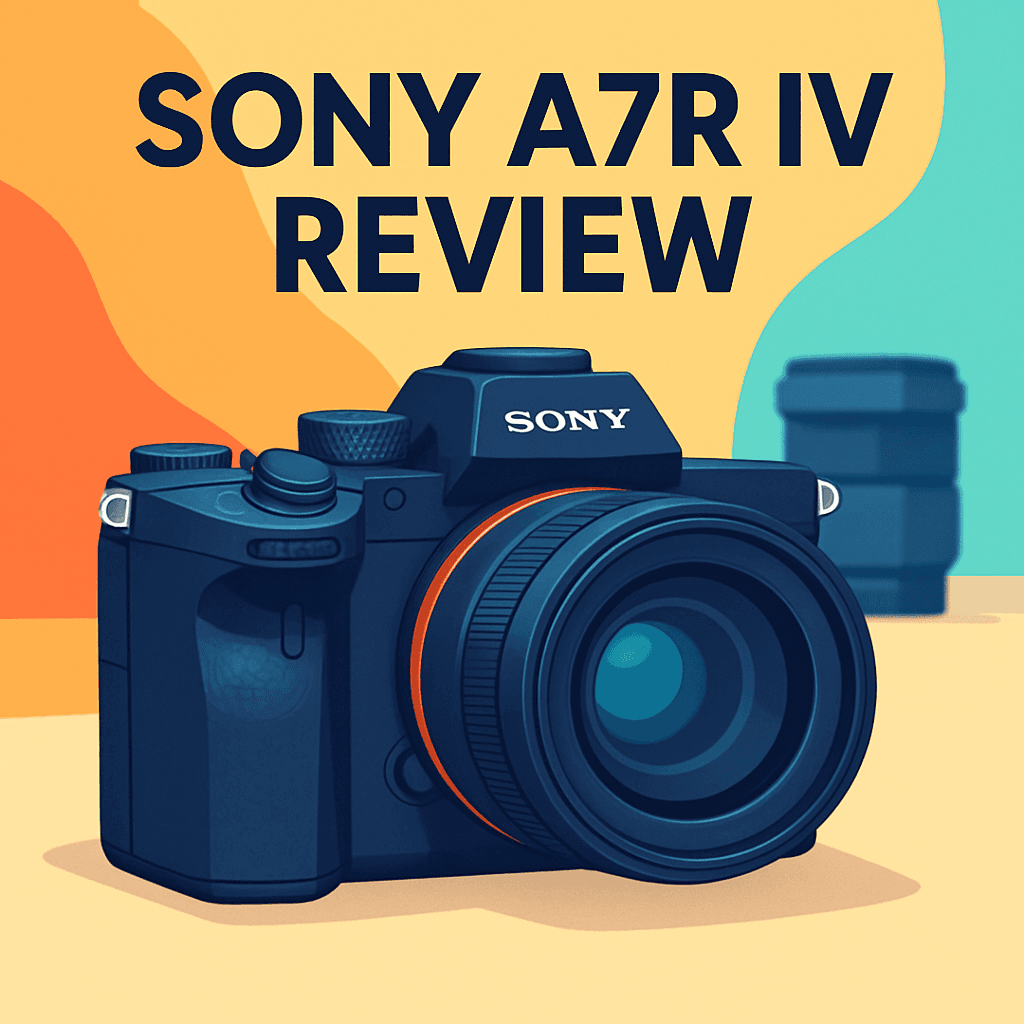
Want sharper images and bigger prints without sacrificing handling?
It’s built for photographers who want detail and reliability: the Sony A7R IV Camera targets working pros chasing resolution, dependable autofocus, steady IBIS, speed, and usable controls.
I’ve used it on real shoots and noticed strengths in resolution, autofocus and stabilization.
That means bigger prints, steadier handheld shots and more reliable tracking for landscape, studio, and client work.
This review’s for shooters who want real-world answers — make sure to read the entire review as I dig into practical pros and trade-offs, keep reading.

Sony A7R IV Camera
61MP full-frame clarity and expansive dynamic range deliver astonishing detail for landscape and studio work. Fast, reliable AF, 5-axis stabilization and dual slots support demanding pro workflows and large prints.
Check PriceThe Numbers You Need
| Spec | Value |
|---|---|
| Sensor | 61 MP full-frame Exmor R CMOS |
| Image stabilization | 5-axis in-body |
| Autofocus points | 567 phase detection |
| Continuous shooting speed | 10 fps |
| ISO range | 100–32,000 (expandable to 50–102,400) |
| Video resolution | 4K UHD up to 30 fps |
| Viewfinder | 5.76 million dot OLED electronic |
| LCD screen | 3.0-inch tilting touchscreen, 1.44 million dots |
| Shutter speed range | 1/8000 – 30 seconds |
| Burst buffer | Up to 68 uncompressed RAW frames |
| Connectivity | Wi-Fi and Bluetooth |
| Memory card slots | Dual SD UHS-II slots |
| Body construction | Magnesium alloy weather-sealed |
| Weight | Approximately 665 grams (body only) |
| Battery life | Around 670 shots per charge (CIPA) |
How It’s Built
In my testing the Sony A7R IV Camera feels like a camera built for real work. The metal body and weather sealing gave me confidence shooting in drizzle and wind, and I liked how solid it all felt in my hands. That said, it’s a bit hefty on long handheld days, especially with big lenses attached.
The electronic viewfinder is sharp and very helpful for nailing manual focus and subtle focus shifts. I found long shooting sessions easier because the view is comfortable and detailed, and the tilting touchscreen made low and high angle shots simple. I do wish the rear screen flipped out fully though; the tilt design works but limits some shooting angles.
Controls are laid out sensibly, so beginners can get up to speed fast without hunting through menus. Dual card slots saved my bacon during an event — I could write a backup copy on the fly or use overflow when I filled the first card. Real-world workflow becomes less stressful with that kind of redundancy.
Wi‑Fi and Bluetooth were handy for quickly sending selects to a phone and for remote triggering on tripod shots. The shutter felt reliable and reassuring during long exposures and fast-action bursts, so I wasn’t worrying about failures in the field. Overall, the build inspires confidence, with weight and screen articulation being the main trade-offs.
In Your Hands
The A7R IV’s burst performance feels punchy in the hand — quick enough for weddings, events, and the occasional action sequence without feeling like a sports camera. Its buffer comfortably handles short spurts of shooting, though long sustained bursts of high-resolution RAW will force a pause while files clear, so plan your timing for key moments. In practice you’ll find it a reliable tool for mixed-paced shoots where decisive frames matter more than marathon bursts.
Stabilization is one of the body’s quiet superpowers; the in-body system lets you push shutter speeds lower than you otherwise would and still lock in detail on static and near-static subjects. That ease of handholding opens up more shooting opportunities in available light and reduces reliance on tripods for on-location work. Pair it with steady glass and you’ll be surprised how often handheld images are keeper-grade straight from the camera.
Battery endurance is reassuring for a high-resolution body, but real-world use varies with EVF time, burst shooting, and connectivity features. Heavy live-view, extended bursts, or tethered sessions will shorten a day, so working pros will want a spare power plan for long assignments. Thoughtful power management and a couple of extras in the bag keep you shooting through back-to-back sets.
Iso flexibility makes the A7R IV versatile across interiors, events, and landscape work, with the cleanest results at lower sensitivities and usable performance when you must push higher. Expect trade-offs at the upper end — more noise and less room to pull shadows — so expose carefully and embrace raw processing. Dual card slots are a practical safety net for pro jobs: use mirroring for instant backup or overflow to keep shoots running smoothly when file sizes grow.
The Good and Bad
- Extremely high 61 MP resolution for detail-critical work
- 5-axis IBIS for handheld stills in low light
- 567 phase-detect AF points for broad coverage and subject tracking
- 10 fps burst with up to 68 uncompressed RAW buffer for short action sequences
- Video tops out at 4K30 (no higher frame-rate 4K options)
- Buffer can be a limit for prolonged high-speed sequences
Ideal Buyer
If your priority is absolute resolving power, the Sony A7R IV is made for you. Its 61MP sensor delivers files that stand up to large prints, aggressive crops, and pixel‑peeping clients. Landscapers, architectural shooters and product/studio teams will love the level of detail.
Commercial and editorial shooters who need technically perfect frames will appreciate the robust IBIS, wide AF coverage and dual UHS‑II slots that support pro workflows. Weather‑sealed magnesium construction and reliable battery life mean you can depend on it in the field or studio. The camera’s tactile controls and high‑res EVF make fine focus and composition a pleasure.
Portrait and event photographers can also benefit from the high resolution and accurate AF, especially when clients demand large deliverables or heavy cropping. The 10 fps burst is useful for short sequences, but the buffer tops out for prolonged action. Be ready to manage files and carry fast cards to keep up.
The A7R IV is less ideal for creators who need advanced video codecs or high‑frame‑rate 4K for motion work. It also isn’t the best pick for shooters who require marathon, high‑speed bursts without buffer interruptions. If your workflow prioritizes nonstop action or cinema‑grade video, look at more video‑centric or sports‑focused alternatives.
Better Alternatives?
We’ve already dug into what makes the Sony A7R IV special: huge resolution, solid stabilization, wide AF coverage and great stills output. If you love resolving fine detail for landscapes, studio or commercial work, it’s a hard camera to beat.
But no camera is perfect for every shooter. Below are a few real-world alternatives I’ve used, with where they beat the A7R IV and where they fall short. Think about what you shoot day to day — action, long jobs, hybrid video — and that will point you to the right choice.
Alternative 1:

Sony A7R V Camera
Next-generation 61MP sensor with advanced AI-driven autofocus and upgraded image stabilization produces razor-sharp stills and detailed video. Enhanced EVF, vari-angle touchscreen and pro features streamline hybrid shoots.
Check PriceHaving shot with the A7R V, the thing that hits you first is the newer autofocus. It locks on and holds moving people and animals more reliably than the A7R IV, and the EVF and fully articulating screen make framing and focus checks much easier on hybrid jobs. In practice this means fewer missed frames when subjects change direction and faster setup for run-and-gun weddings or wildlife pop-up moments.
Where it’s worse than the A7R IV is mostly practical: it’s more expensive and pushes more data, so cards and editing feel heavier. The battery can also run down quicker if you use all the new processing features. For pure studio stills where you’re tethered and focused on maximum detail, those downsides matter less—but they’re worth knowing.
If you need next-level AF and a camera that handles both stills and video smoothly, the A7R V is the pick. I’d recommend it to hybrid shooters, wedding pros who want fewer dropped frames, and wildlife shooters who also value very high resolution.
Alternative 2:
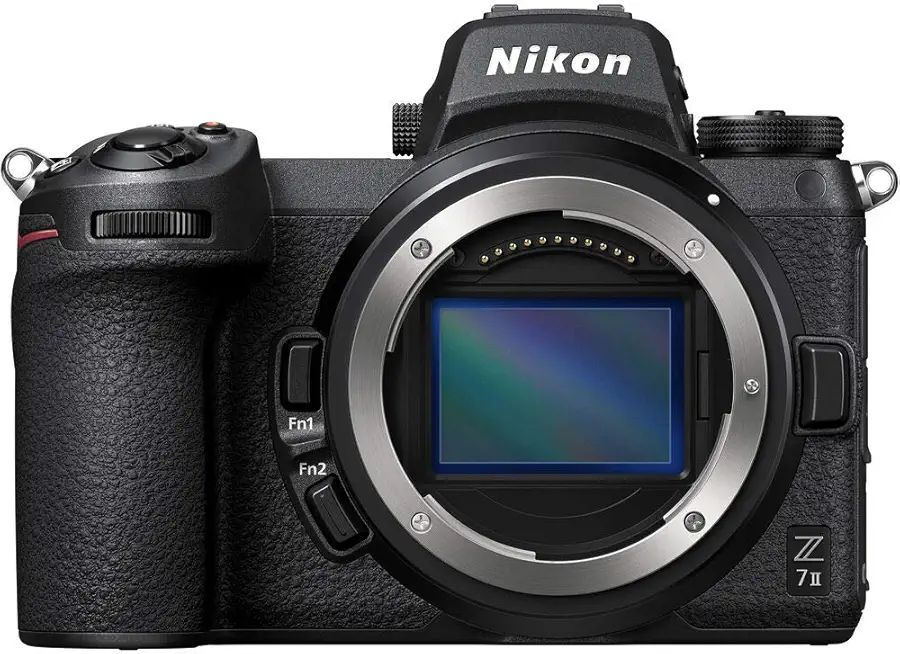
Nikon Z7 II Camera
High-resolution 45.7MP sensor and dual processors deliver fast continuous shooting and refined autofocus for demanding assignments. Robust build, in-body stabilization and 4K capture balance resolution with professional ergonomics.
Check PriceThe Z7 II feels like a very sturdy, comfortable camera to use all day. In real shoots I noticed cleaner files at higher ISO and smaller RAW sizes that made culling and editing faster than the huge A7R IV files. The body grip and controls also make long assignment days easier on your hands, and battery life stretches further between charges.
Compared to the A7R IV it gives you less sheer pixel count, so it won’t deliver the same extreme crop or huge print detail. Its continuous tracking can be very good, but in fast, erratic action I still found Sony’s tracking a touch more consistent. Also, if you rely on a large Sony lens collection, the Z-mount choices may feel different.
Pick the Z7 II if you want a high-res camera that’s easier to live with for long events, travel or wedding days where speed and battery life matter. It’s a good option for shooters who prefer cleaner high-ISO shots and a more relaxed file size in their workflow.
Alternative 3:
Nikon Z7 II Camera
Versatile full-frame performer offering exceptional detail for large-format prints, reliable subject tracking and extended battery life. Dual card slots and comprehensive connectivity make it a trusted workhorse for pros.
Check PriceUsed as a workhorse, the Z7 II shines: dual card slots for instant backup, solid weather sealing, and long battery life mean fewer interruptions on paid jobs. On long-location shoots I found the camera stayed reliable session after session, and the images are punchy and ready to edit without fighting massive files all the time.
The trade-off versus the A7R IV is again resolution and, in some fast-action cases, the absolute best tracking performance. If your main goal is the biggest possible files for giant wall prints or heavy cropping, the A7R IV still leads. But if you need consistent, dependable results day after day and simpler file handling, the Z7 II is often the smarter tool.
This is the camera I’d recommend to pros who run long jobs, need redundancy and want a comfortable, predictable system. Studio shooters who want dependable performance and wedding or commercial shooters who prefer a steadier workflow will find it a sensible alternative to the A7R IV.
What People Ask Most
Is the Sony A7R IV worth buying?
Yes—if you need very high resolution, excellent image quality and pro-level autofocus for landscapes, studio or commercial work; skip it if you want a cheaper, faster-framing or video-first camera.
How does the Sony A7R IV compare to the A7R III?
The A7R IV adds a 61MP sensor, improved AF, higher-resolution EVF and better ergonomics over the III, while keeping similar battery life and overall handling.
Is the Sony A7R IV good for landscape photography?
Absolutely—its 61MP sensor and strong dynamic range deliver superb detail and large-print capabilities for landscapes.
How good is the autofocus on the Sony A7R IV?
Very good—the Real-time Eye AF and improved tracking are fast and reliable for people and animals, though extreme low-light situations can still challenge any system.
Is 61 megapixels too much for the Sony A7R IV?
Not if you need large prints, heavy cropping or commercial work; just expect bigger files, slower workflows and a need for fast storage and sharp glass.
How is the battery life on the Sony A7R IV?
Decent for a full-frame mirrorless—you can get a day of moderate shooting, but bring one or two spare batteries for long shoots or intensive use.
Conclusion
The Sony A7R IV Camera is a stills-first powerhouse built for photographers who demand uncompromising resolution and professional reliability. Its ultra-high-resolution capture, dependable in-body stabilization, and broad autofocus coverage produce files that make large prints, tight crops, and exacting retouching routine rather than risky experiments. Add brisk burst performance, a weather-sealed pro chassis, and workflow touches like dual card slots and long battery life, and you have a camera that belongs on demanding assignments.
It is not without trade-offs, and those matter in practical use for hybrid shooters. Video capabilities lag newer hybrid bodies; sustained high-speed shooting will hit buffer limits, and the rear screen tilts rather than fully articulating for awkward angles. The body also carries noticeable heft on long handheld days.
Choose the Sony A7R IV Camera when stills detail is king—landscape, studio, commercial, and product shooters will benefit most. If you need next-generation subject detection, advanced movie features, or leaner files for nonstop burst work, newer alternatives deserve a close look. All told, it’s a specialist, not a jack-of-all-trades, and it rewards photographers who prioritize image quality with pro-grade results that stand up in commercial and fine‑art workflows.
Sony A7R IV Camera
61MP full-frame clarity and expansive dynamic range deliver astonishing detail for landscape and studio work. Fast, reliable AF, 5-axis stabilization and dual slots support demanding pro workflows and large prints.
Check Price

0 Comments