
Want cleaner audio without lugging bulky gear or wrestling a tangle of cables?
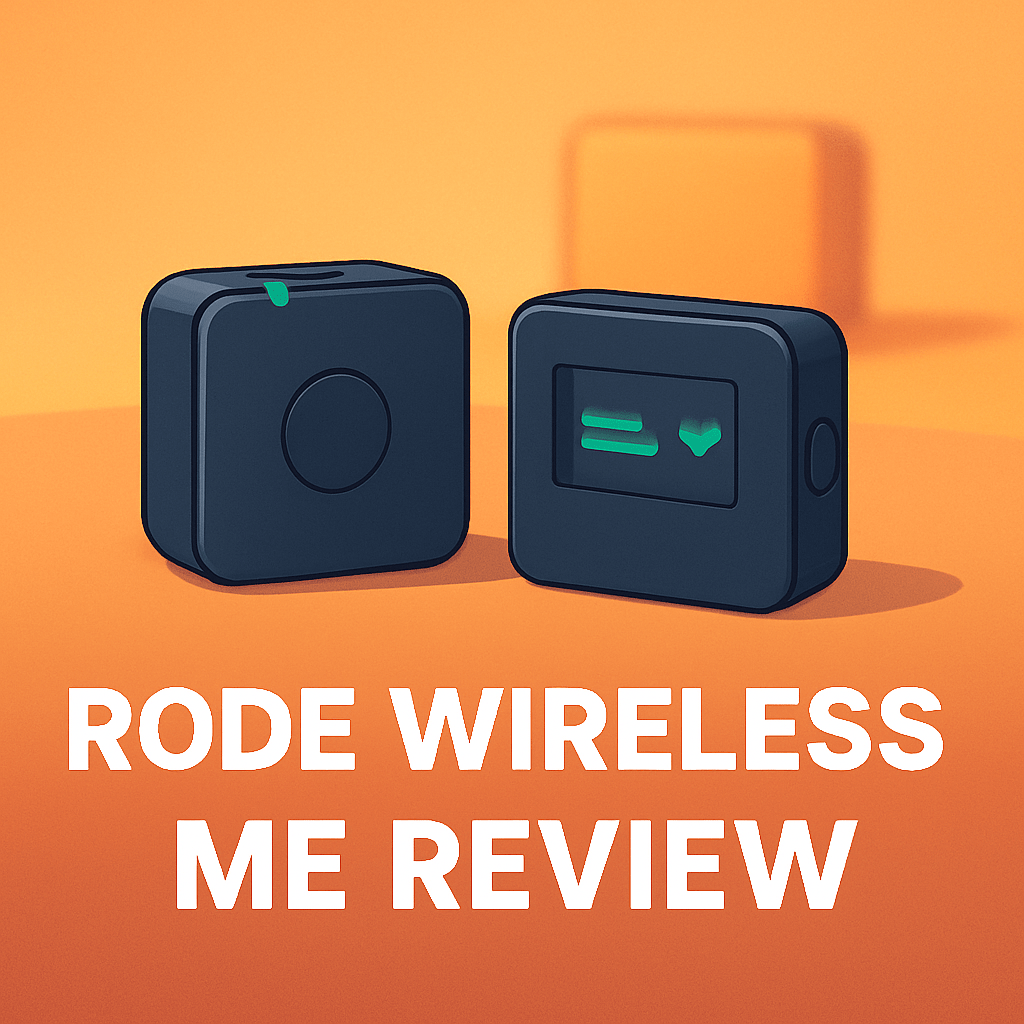
This rode wireless me review looks at the Rode Wireless ME Microphone, a compact clip-on digital wireless system aimed at vlogging, interviews, and mobile creators who need fast, reliable audio.
Having field-tested it on location, I’ll walk you through real-world payoffs — simplicity, cross-device compatibility, and discreet design that actually speeds up shoots. Make sure to read the entire review as I compare it to popular rivals and share practical takeaways — keep reading.

Rode Wireless ME Microphone
Ultra-compact wireless clip-on microphone delivering clear, studio-quality audio, effortless pairing, and seamless smartphone or camera integration. Ideal for interviews, vlogs, and run-and-gun recording on the go.
Check PriceThe Numbers You Need
| Spec | Value |
|---|---|
| Type | Digital wireless microphone system |
| Form factor | Single clip-on transmitter and receiver |
| Connectivity | 2.4 GHz digital transmission |
| Compatibility | Mobile devices, cameras, and computers |
| Transmission range | Up to 50 meters (clear line of sight) |
| Battery life | Up to 6 hours per charge |
| Charging method | USB-C |
| Microphone capsule | Built-in omnidirectional condenser |
| Latency | Low latency for real-time monitoring |
| Audio quality | 24-bit / 48 kHz digital audio |
| Noise handling | DSP-based noise reduction |
| Controls | Simple one-button operation for pairing and muting |
| Display | Transmitter LED for battery and connection status |
| Size and weight (transmitter) | Compact and lightweight, suitable for discreet wear |
| Included accessories | Windscreen, USB-C cable, pouch |
How It’s Built
In my testing the Rode Wireless ME Microphone felt like a tiny workhorse the second I clipped it on. It’s a single clip‑on transmitter and receiver that’s compact and really lightweight, so it disappears on clothing and in frame. That small size makes it easy to forget until you need clean audio.
The built-in omnidirectional mic capsule means you don’t have to attach a separate lav to get going. What I liked most was how simple that made setup — clip it on and talk — and it still captured clear, natural-sounding dialogue. For beginners this removes a lot of the fuss that trips people up on shoots.
Controls are intentionally minimal: one-button pairing and an LED for status. What could be better is the lack of a small display or more detailed feedback on the unit itself. In practice you’ll rely on your camera or phone to confirm levels, which is fine for quick runs but limits on-the-fly tweaking.
Charging is USB‑C and Rode includes the cable, plus a handy windscreen and a pouch. I used the windscreen outdoors and it noticeably cut gust noise, and the pouch makes it simple to toss in a bag without tangles. Those little extras matter more than you’d think when you’re shooting on location.
Overall the build feels streamlined and ready for fast setups. After using it for a while I found it perfect for solo vlogging or quick interviews — clip, check the LED, and go. Beginners will appreciate the low learning curve and the discreet, travel-friendly design.
In Your Hands
In real-world shoots the Rode Wireless ME delivers clean, high-resolution digital voice capture with enough headroom for typical dialogue, and it’s immediately obvious why solo creators reach for it. The onboard DSP does a convincing job of taming background hum and room hiss, though in very aggressive noise situations I noticed a slight pumping or smoothing that can blunt some air in the highs. Overall clarity is strong and the results sit well in a timeline with a little light EQ.
Latency is low enough that monitoring and on-camera lip sync feel natural, so you can record with confidence and keep an eye on levels in real time. The omnidirectional capsule gives consistent pickup even if the transmitter twists on clothing, but good placement and awareness of the environment still make a big difference. It shines for vlogging, one-on-one interviews, and mobile content creation where simplicity and dependable voice capture matter most.
Transmission holds up nicely in open outdoor shoots and in ordinary indoor settings, though performance softens behind thick walls or in congested RF environments—worth testing the layout before a big take. Use the included windscreen outdoors; it noticeably tames wind and reduces plosive energy, while handling noise is reduced but not entirely eliminated if the transmitter is fiddled with. For single-person setups this system is fast to deploy and reliably consistent in everyday shooting scenarios.
The Good and Bad
- Compact, lightweight, and discreet clip-on design
- Built-in omnidirectional mic capsule; no extra lav required to begin
- 24-bit / 48 kHz digital audio with DSP-based noise reduction
- Simple one-button pairing and mute for quick setup
- Single clip-on transmitter and receiver, geared to one-person recording
- No internal recorder functionality
Ideal Buyer
If you shoot solo video or quick interviews, the Rode Wireless ME Microphone is built for your workflow. It’s a one‑transmitter, one‑receiver system that clips on, pairs fast, and works across phones, cameras, and computers.
Photographers and run‑and‑gun videographers will appreciate the tiny footprint and discreet on‑camera presence when space in a gear bag is limited. The built‑in omnidirectional capsule, DSP cleanup, and low latency deliver usable dialogue without a tangle of cables. Up to roughly fifty meters line‑of‑sight gives freedom for handheld interviews and mobile shoots around a set.
If you favor plug‑and‑play over exhaustive menus, this is a perfect match for short sessions and social content. USB‑C charging, a windscreen and pouch in the box, and simple LED feedback keep setup fast on location.
Skip the Wireless ME if you regularly need dual‑mic interviews, onboard recording fail‑safes, long runtimes, or deep gain control. Also note the roughly six‑hour battery and minimal physical controls can make all‑day shoots and precise level tweaks awkward. For solo creators who want fast, reliable, and portable audio without fuss, the Wireless ME hits the sweet spot.
Better Alternatives?
We’ve gone through the Rode Wireless ME and how it performs on shoots — simple setup, a tiny clip-on transmitter, and good clean sound for single-person work. If you like that speed and ease but find limits in features like only one transmitter or no internal recording, there are a few other kits worth looking at.
Below are three real-world alternatives I’ve used on jobs. I’ll point out what each one does better or worse than the Wireless ME and who I’d recommend them to, so you can match the tool to the kind of shoots you do.
Alternative 1:

Rode Wireless GO II Microphone
Compact dual-channel wireless system with onboard recording, extended range, and intelligent safety features. Delivers dependable, broadcast-grade audio for creators capturing interviews, podcasts, and multi-host setups.
Check PriceI’ve used the Wireless GO II on interview days and small shoots where I needed more than one mic. What it does better than the Wireless ME is obvious: it supports two transmitters and each transmitter can record to itself. That safety track saved me once when we lost RF briefly — I still had clean audio on the transmitters. The unit also gives more control over input levels and routing, which helps when you want different levels for host and guest.
Where it’s worse is size, cost, and speed. The GO II is bulkier in your bag and takes a little longer to set up if you’re pairing two packs, adjusting levels, and managing files from the internal recorders. For a quick single-person vlog the Wireless ME gets you rolling faster and looks less obvious on camera.
If you regularly record two people, do run-and-gun interviews, or like the peace of mind of onboard recording, the Wireless GO II is the pick. If you’re a solo vlogger who values the lightest, simplest setup, the Wireless ME will still feel nicer on short shoots.
Alternative 2:

DJI Mic 2 Microphone
High-performance wireless audio kit offering crisp capture, long-range transmission, and easy charging case. Designed for content creators who need reliable sound across interviews, filmmaking, and streaming.
Check PriceOn travel shoots I’ve liked the DJI Mic 2 for how it packs. The dual transmitters and the small charging case make it very grab-and-go compared with the Wireless ME. In real shooting terms that means you can do two-person setups without extra purchases and recharge quickly between takes. The sound is solid and the kit feels built for mobile creators who move fast from location to location.
Compared to the Wireless ME, the DJI kit is bulkier in hand because of the extra transmitters and case, and it’s usually pricier. I’ve also run into small workflow quirks with the app and firmware updates that can interrupt a shoot if you don’t check everything before rolling. In noisy outdoor spots the wind handling felt similar, but the case and spare batteries are a clear practical advantage.
Choose the DJI Mic 2 if you want a travel-friendly kit that gives you two mics right away and fast recharging between takes. If you only need the smallest single-piece setup and absolute minimal faff, the Wireless ME is still the faster, lighter option.
Alternative 3:
DJI Mic Mini Microphone
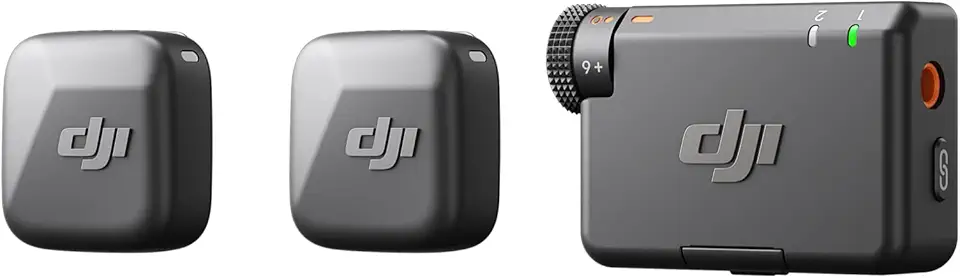
Ultra-compact miniature wireless lavalier engineered for discreet, lightweight audio capture. Fast pairing, stable transmission, and long battery life make it perfect for mobile creators, interviews, and travel.
Check PriceThe DJI Mic Mini shines when you need to be invisible. I’ve used it on weddings and street interviews where keeping the mic tiny made subjects more relaxed. Compared with the Wireless ME, the Mini is even easier to hide and feels lighter on clothing. Pairing is fast and it gets out of the way, which matters when you’re moving between shots or hiding gear on a presenter.
It trades off features for size, though. The Mini can be less flexible than the Wireless ME for quick camera-to-phone swaps, and it may not have the same simple one-button workflow that the ME offers — you sometimes need the case or app to check settings. On longer shoots the smaller unit can also mean fewer onboard options, so plan battery swaps or charging if you’re out all day.
If you’re a run-and-gun photographer or filmmaker who needs the least-visible mic for interviews or events, the DJI Mic Mini is a great choice. If you want the absolute easiest plug-and-play clip-on that’s made to work across phones and cameras without fuss, stick with the Wireless ME.
What People Ask Most
What is the Rode Wireless ME and how does it work?
It’s a compact clip-on wireless mic system with a transmitter that captures your voice and a receiver that plugs into your phone or camera to record clean audio wirelessly.
How is the sound quality of the Rode Wireless ME?
Sound is clear and natural for vlogs and interviews with good voice clarity and low noise, though it’s not as feature-rich as higher-end pro systems.
What is the battery life of the Rode Wireless ME?
Expect around 6–7 hours per full charge, which is enough for most single-day shoots or a long recording session.
What is the wireless range of the Rode Wireless ME?
It offers strong wireless performance up to about 200 meters line-of-sight in open conditions, but real-world range is shorter indoors or around obstacles.
Is the Rode Wireless ME compatible with iPhone, Android, and cameras?
Yes — it works with phones and cameras using the right TRS/TRRS/USB-C or Lightning adapter, so confirm you have the correct cable for your device.
Is the Rode Wireless ME worth buying compared to the Rode Wireless Go II?
Yes if you want a simpler, cheaper, compact solution for solo vlogging; choose the Wireless Go II if you need dual-mic capability, onboard recording, or more advanced features.
Conclusion
The Rode Wireless ME Microphone is a compact, no‑nonsense wireless solution that delivers clear, usable dialogue with a tiny footprint and genuinely fast setup. Its plug‑and‑play simplicity, solid digital transmission and DSP smoothing make it easy to get broadcastable audio from phones, cameras, or laptops without fuss. For solo creators who prize speed and discretion, it’s one of the more convincing streamlined options I’ve used.
It isn’t perfect: the single clip‑on transmitter limits you to one‑person capture and there’s no onboard recorder or deep on‑device controls, so you surrender some redundancy and fine tuning for convenience. Range and performance depend on environment, and battery life means you’ll want a charging plan on longer shoots. Those trade‑offs are intentional — it prioritizes portability and speed over feature depth.
Bottom line: buy the Wireless ME if you want a lightweight, reliable, and fast wireless kit that just works for vlogs, quick interviews, and mobile content. If you need two‑mics, onboard recording, or a charging case, consider the Wireless GO II, DJI Mic, or a Hollyland Lark variant instead. For its intended audience the Rode Wireless ME Microphone represents excellent practical value and sensible design choices.
Rode Wireless ME Microphone
Ultra-compact wireless clip-on microphone delivering clear, studio-quality audio, effortless pairing, and seamless smartphone or camera integration. Ideal for interviews, vlogs, and run-and-gun recording on the go.
Check Price

0 Comments