
Which tripod will hold your camera steady on a windy headland, collapse small enough for your backpack, and still let you frame panoramic vistas without fuss?
This guide compares five of the best tripods for landscape photography and helps you find the right trade-off between portability and rock-solid support.
Some days you’ll hike miles with a mirrorless kit; other times you’ll need a beefy support for a big telephoto.
We break down how weight, folded size, load capacity, and setup speed affect real-world shooting so you can choose what matters most.
Each of the five picks gets a concise product rundown with real-world pros and cons based on hands-on field testing.
You’ll also get portability notes, practical setup and stabilization tips, plus a short FAQ that answers the questions landscape shooters ask most.
Our evaluation focused on real-world factors: weight and folded length, rigidity under load, leg-lock reliability, and how quickly each tripod deploys.
We paid special attention to vibration damping, setup speed in changing light, and how easy it is to balance heavier lenses for long exposures.
Whether you prioritize every saved ounce on a backpacking route or absolute steadiness for stitched panoramas, this guide will narrow the field for you.
Read on to find a tripod that keeps your shots sharp, your pack light, and your shooting flow uninterrupted.

FANAUE HTC-4030-45 Carbon Fiber Tripod 360° Ball Head Arca-Swiss Quick Release
1. Peak Design Travel Tripod, Carbon Fiber
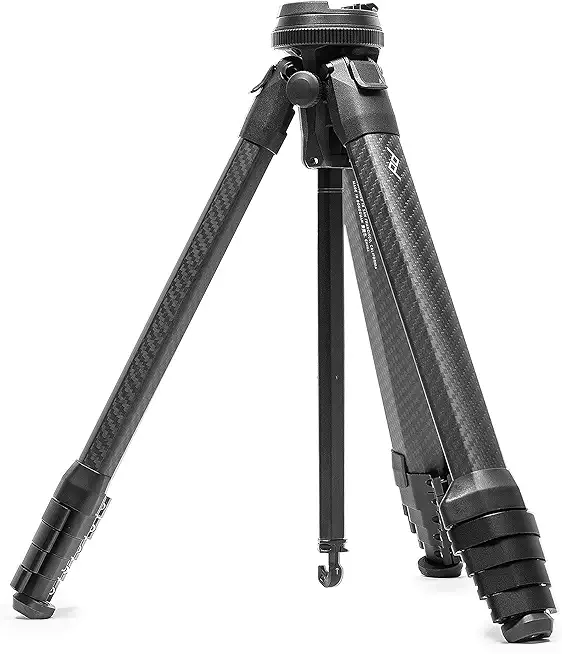
Peak Design Travel Tripod Carbon Fiber
Ultra-compact, lightweight travel support with fast setup, stable load capacity for photographers on the move.
Check PriceAs a landscape photographer who hikes to remote viewpoints, I reach for the Peak Design Travel Tripod (Carbon Fiber) when I want the best blend of portability and performance. Its carbon fiber construction keeps weight low while the integrated ball head provides smooth, quick adjustments so you can lock in compositions fast as the light changes.
Where this tripod really shines is on long approaches and mountaintop shoots — it folds down to about 15.5 inches, which makes it a major packing advantage for backpacking. The design deploys intuitively and the legs feel surprisingly rigid for such a compact footprint, so you get reliable stability without lugging a heavier system.
Be aware of the trade-offs: the thin, compact profile means stability can suffer when the tripod is fully extended or when you pair it with very heavy camera and lens combos. It also has a slightly shorter maximum height than many alternatives, so if you routinely need full standing height without using the center column, test whether it reaches your eye level first.
Small practical touches—like the included smartphone holder in the center column and the overall rugged build—show Peak Design thought about real-world use. If you prioritize ultralight travel and fast setup for landscape work, this is one of the best options, but it’s expensive and not the right choice for heavy telephoto or pro DSLR rigs.
- Outstanding portability and compactness
- Highly flexible ball head and legs
- Intuitive and quick to deploy
- Rugged build with phone mount
- Expensive (carbon fiber version)
- Not suitable for very heavy cameras/lenses
2. Gitzo GT2542 Mountaineer, Carbon Fiber

Gitzo GT2542 Series 2 Mountaineer Tripod 4-Section
Professional-grade, rugged mountain-ready support delivering rock-solid stability, precise height adjustment, and durable construction for demanding outdoor shoots.
Check PriceThe Gitzo GT2542 Mountaineer is the sort of tripod I reach for when stability matters more than shaving ounces off my pack. Its carbon fiber legs give it impressive stiffness and minimal vibration, so it holds up beautifully under heavier DSLR bodies and long telephoto lenses.
In the field you’ll notice how rock-solid it feels, especially on rugged mountain routes and rough trails. The tripod folds compactly for transport, yet its superior load capacity — up to 22 kg — means you can confidently mount heavy gear without worrying about sag or drift during long exposures.
Leg operation is a real pleasure: smooth, secure twist locks and preset leg angle options make it fast to get level on uneven ground. Those preset angles let you adapt quickly to rocks, slopes, or low perspectives without fiddling, which saves time when the light is changing.
That said, there are trade-offs. The weight is noticeable on long hikes, so if you prioritize ultralight trekking you might look elsewhere. Also, the Gitzo lacks an integrated center-column hook for adding counterweights, and some aluminum components can feel cold in winter, which are minor annoyances for serious stability seekers.
If you want a workhorse tripod that prioritizes rigidity and load capacity over featherweight carry, the GT2542 is an excellent choice. It’s particularly well suited to landscape photographers who use heavier camera and lens combinations and who shoot in rugged conditions where stability is non-negotiable.
- Exceptional stability and rigidity
- Carbon fiber legs with high load capacity (up to 22 kg)
- Smooth twist locks and preset leg angles
- Folds compactly for transport
- Heavier to carry on long hikes
- No integrated center-column hook for extra weight
3. FLM CP30-L4 II, Carbon Fiber
FANAUE HTC-4030-45 Carbon Fiber Tripod 360° Ball Head Arca-Swiss Quick Release
Smooth 360° ball-head system with Arca-style quick release, carbon-fiber legs for nimble portability and precise framing.
Check PriceIf you’re a taller photographer or you hate stooping behind a low tripod, the FLM CP30-L4 II is a rare breed that delivers real-world height without a heavy penalty. It tops out at over 173 cm yet weighs only about 1.4 kg, so you get a comfortable working height on location without lugging a full-sized studio stand.
What I care about most for landscapes is stability during long exposures, and this tripod excels there. Its vibration damping is excellent, so long shutter speeds and pixel-peeping nightscapes stay sharp. The compact 23″ fold length makes it surprisingly travel-friendly despite that generous maximum height.
The feet system is practical in the field. It ships with rubber feet for pavement and gentle terrain and accepts optional stainless steel spikes when you need bite on snow, mud, or sloped rock. Small touches like durable rubber rings that keep dirt and moisture out of the threads mean fewer surprises after a dusty hike or rainy shoot.
Two things to watch: the tripod does not include a head, so factor in the cost and weight of the ball or geared head you prefer. Also, it sits at a higher price point than basic travel tripods, so budget-minded shooters should compare total system cost. For anyone who wants tall working height, low folded size, and rock-solid damping for long exposures, this FLM is a very strong choice.
- Very tall maximum height (over 173 cm)
- Lightweight (~1.4 kg) with excellent vibration damping
- Rubber feet with optional stainless steel spikes
- Compact 23″ fold length and durable build
- No head included
- Relatively high cost versus basic travel tripods
4. Vanguard Alta Pro 263AP Tripod

Vanguard Alta Pro 263AP Aluminum Tripod with PH-32 Panhead
Versatile multi-angle support with stable aluminum build and smooth panhead control for flexible composition and reliable stability.
Check PriceThe Vanguard Alta Pro 263AP is a workhorse for landscape shooters who put stability and creative composition first. Its multi-angle central column makes low perspectives and unconventional angles easy to achieve, which is a big advantage when you want foreground detail or dramatic low-angle vistas.
It’s heavier than travel tripods, but that extra mass translates into robust steadiness. In windy or uneven conditions the Alta Pro feels very steady, and its smooth pan head helps with precise framing and stitching panoramas without annoying jerks.
In the field I reach for this tripod when terrain is rough or gusts are a factor — rock, beach, or exposed ridgelines — because it locks down well and doesn’t fuss with vibration. The flip locks let you set up quickly once you’re practiced, though they do have a short learning curve.
If you hike long distances with minimal gear, this might not be your ideal choice; it’s bulky in a pack and adds noticeable weight. But for photographers who prioritize image sharpness, long exposures, and panorama work over ultralight travel, the Alta Pro delivers confidence and repeatable results.
Practical tip: spend a session at home getting comfortable with the flip locks and multi-angle column. That small upfront practice makes on-location setup much faster and reduces fumbling when the light is short.
- Highly stable on tough and uneven ground
- Multi-angle central column for creative compositions
- Smooth pan head for precise framing
- Solid build for photographers prioritizing stability
- Heavy and less travel-friendly for long hikes
- Takes up more space when folded than compact tripods
5. Vanguard VEO 5 264CB-160S, Carbon Fiber

Vanguard VEO 5 264CB160S Carbon Fiber Tripod with VEO BH-160S Ball Head
Lightweight carbon-fiber support with compact ball-head for fast adjustments, solid hold, and travel-friendly performance.
Check PriceIf you need a travel-friendly tripod that still feels at home on rough terrain, the Vanguard VEO 5 264CB-160S is a strong contender. It combines carbon fiber lightness with a packable, sturdy design so you don’t pay for portability with bulk.
The tripod offers three leg angle positions which I use all the time to lower my stance or brace on uneven ground. The retractable spiked feet are a real game-changer on slippery or rocky surfaces; they bite into the ground and make positioning much more confident.
Vanguard includes a dual-axis ball head with this model, which means quick framing adjustments without swapping gear. In the field I found the head smooth and versatile for landscape compositions and for switching between portrait and horizontal orientations.
Be mindful that stability can decrease when the legs are fully extended and you’re running heavy loads or long glass. If you routinely shoot heavy telephoto lenses or rely on maximum height, you’ll feel that trade-off—this tripod favors mobility and flexibility over ultimate rigidity.
Another practical note: center column removal is not entirely “on-the-fly,” so mid-shoot changes that require a low or inverted column can slow you down. For photographers who prize an efficient workflow and occasional heavy gear, that’s worth factoring into your decision.
- Lightweight carbon fiber and compact for travel
- Multiple leg angle options for flexible positioning
- Retractable spiked feet for enhanced grip
- Supports a range of camera setups including long lenses
- Stability reduces when fully extended with heavy gear
- Center column removal not quick or easy mid-shoot
Tripod Portability for Landscapes
Portability isn’t just about weight — it’s about how a tripod fits into the way you shoot. For day hikes I’ll always reach for carbon fiber: it saves my shoulders and still handles long exposures and mid-size lenses without fuss. But if you’re hauling big telephotos or often shoot in gusty conditions, a stiffer, heavier leg like the Gitzo style models will keep your images sharp where an ultralight might wobble.
Folded length matters almost as much as weight. A tripod that collapses to 15–20 inches slips into pack compartments or straps easily and won’t catch on pack frames. Look for 180° fold designs or multi-section legs — they keep packability high without forcing you to compromise maximum height when you set up.
Don’t get seduced by the lightest option if your kit is heavy. Match load capacity to your heaviest camera-plus-lens, and add a safety margin for wind and long exposures. Also consider how you’ll use the center column: I avoid relying on an extended center column as my primary height — it’s handy for small adjustments but poor for stability.
Small features often make a big difference on the trail. Retractable spikes, quick-release legs, and removable sub-tripod systems are lifesavers on slick rock or soft soil. Integrated heads and compact ball heads speed composition changes, but remember that some travel tripods omit a head to save weight.
Finally, consider the trade-offs you’re willing to accept. An ultralight tripod reduces fatigue and lets you reach remote vistas, but you may sacrifice max height or supreme rigidity. Try gear in the field before committing: walk with it, deploy it on uneven ground, and test long exposures so you know what balance of portability and performance suits your landscape style.
Tripod Tips for Landscape Photography
Your tripod is the single most important piece of kit in the field. Pick a tripod that reaches a comfortable working height without relying on an extended center column—using the center column as your main height source sacrifices stability every time.
Always set the tripod up with the legs fully deployed and the widest practical angle for the scene. On uneven ground, use the preset leg angles so one leg bears the most load; orient a leg into the wind for added resistance instead of letting wind hit broadside.
Use the center-column hook whenever possible and hang a small weight—your bag, a water bottle—to steady the rig in gusty conditions. Choose your feet for the terrain: retractable spikes or metal tips bite into soft or rocky ground, rubber feet grip on pavement and wet rock.
Decide on leg-lock type before you buy. Twist locks are simple to clean and keep working after mud or sand; flip locks open up fast but need more attention to stay reliable in rough conditions.
For movement and speed on a landscape shoot, I prefer a quality ball head for quick framing and single-knob locking. If you plan to stitch panoramas, a geared or pan head helps maintain level shifts. Use a remote or the camera’s timer and pause a beat after triggering to let vibrations die down.
Think about the trade-off between portability and rigidity when you choose materials. Carbon fiber saves your back on long hikes and still damps vibration well, but heavier, stiffer tripods shine with big lenses on windy ridgelines. Check folded length as much as weight so the tripod actually fits in your pack.
Finally, practice quick setups at home. Learn to invert the center column or remove a leg for ground-level shots, and rehearse locking sequences until they’re second nature—capturing the best light often comes down to speed and confidence with your tripod.
What People Ask Most
What is the best tripod for landscape photography?
There is no single best tripod; the right choice balances portability, stability, and the weight of your gear. Pick a model that feels sturdy in your typical shooting conditions and is convenient to carry to your locations.
What features should I look for in a tripod for landscape photography?
Look for solid stability, reliable leg locks, appropriate feet for your terrain, and a head that matches your shooting style. Compact folded size and durable construction are also helpful for field use.
Is carbon fiber or aluminum better for landscape tripods?
Both materials have trade-offs: carbon fiber is lighter and tends to damp vibrations, while aluminum is generally more affordable and durable. Choose based on how much you hike, your budget, and how important weight savings are to you.
What tripod height is ideal for landscape photography?
Choose a height that lets you shoot comfortably without overextending a center column for primary height. Also consider the tripod’s ability to go low for close-to-ground compositions when needed.
Do I need a ball head or a 3-way head for landscape photography?
A ball head offers quick and fluid positioning and is great for fast changes in the field. A 3-way head gives more controlled, precise adjustments and can be preferable for careful framing and panoramas.
Can travel tripods be used for landscape photography?
Yes, travel tripods can be excellent for landscape work when they provide sufficient stability for your camera and lenses. Be mindful of trade-offs in maximum height and stiffness compared with heavier, more robust tripods.
How do you stabilize a tripod in windy or uneven terrain for landscape photography?
Increase stability by spreading legs to low angles, using spikes on soft ground, and hanging extra weight from the center column when possible. Also orient the tripod relative to the wind and use remote triggers or a short pause to reduce vibration before exposure.
Conclusion for Best Landscape Tripods
Choosing the right tripod boils down to balancing portability and stability for your gear, terrain and shooting style, and the five models covered show how different designs prioritize those trade-offs.
Use the product pros and cons, portability notes and real-world tips in this article to match a tripod’s weight, height and features to the way you shoot rather than chasing a single “best” option.
Practice setup, mind leg angles and feet choices, and use simple stability tricks in the field so your tripod becomes a reliable extension of your workflow.
If you want to deepen your technique or compare more gear options, browse more articles on the site to improve your skills and confidence with landscape setups.
Please leave a comment with your questions or experiences below — we usually reply within a few hours and enjoy helping photographers find the right fit.


0 Comments