
What is a compact camera? Could it be the pocketable camera that beats your phone for zoom and low light?
This article will explain what a compact camera is, the main types, and the key features that matter. We will compare compacts to smartphones and to DSLRs/mirrorless cameras and give a simple buying checklist.
You will see side-by-side photo comparisons, a clear spec-reading checklist, and quick shooting tips for travel, low light, and vlogging. We also list recommended camera categories so you can pick the right model for your needs.
Whether you want easy snapshots or more control without heavy gear, this guide will help you choose. Read on to find the compact camera that fits your life.
What is a compact camera?
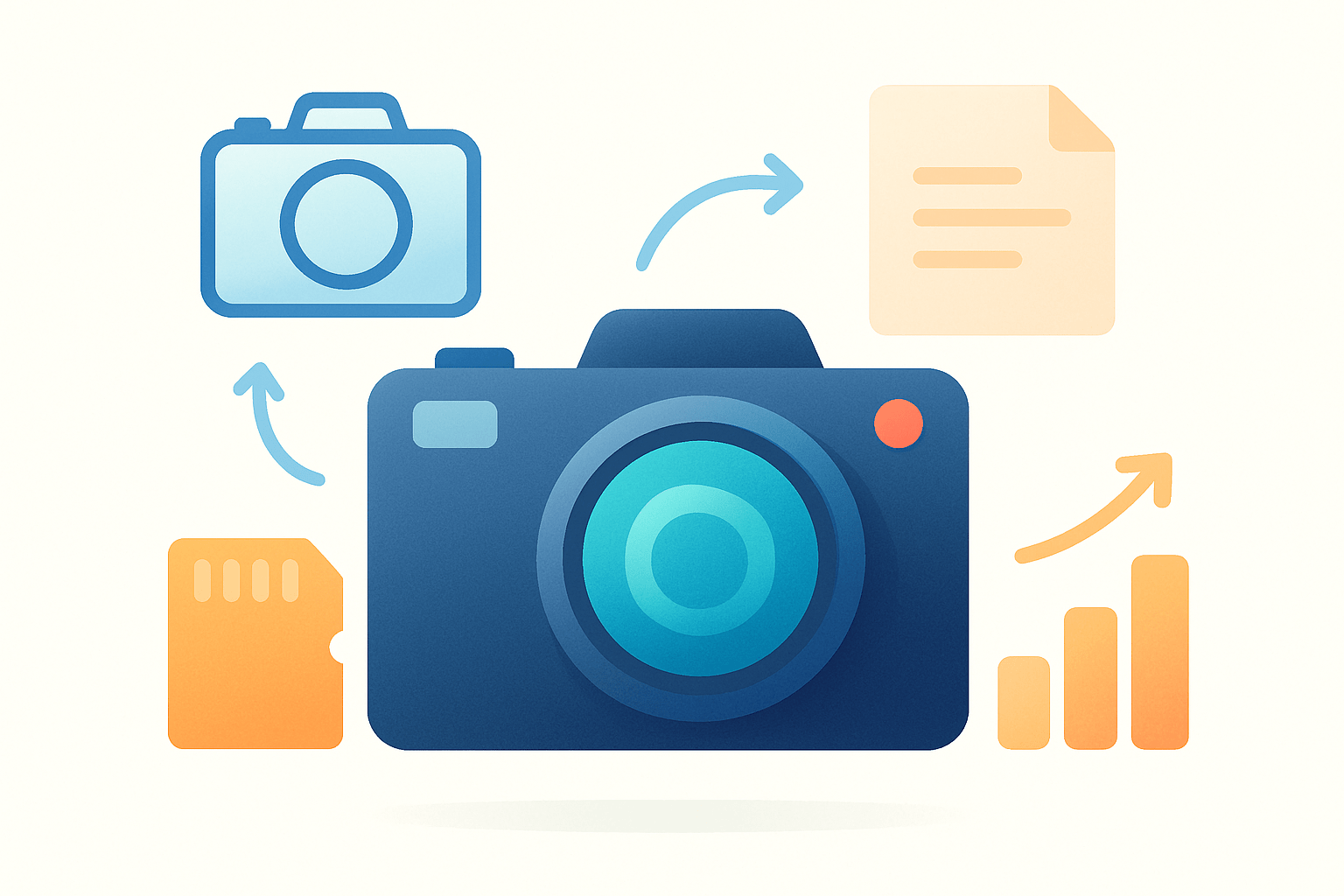
A compact camera is a small, easy-to-carry camera with a built‑in lens and simple controls that lets you shoot without fuss. If you have wondered what is a compact camera in the most practical sense, think of it as the camera you can slip into a pocket and use in seconds. It was long nicknamed the “point‑and‑shoot,” but modern versions can be surprisingly capable.
Compact cameras come in several flavors so you can match them to your needs. There are basic pocket models for everyday snapshots, premium compacts with larger sensors and fast lenses, superzoom or travel zoom cameras with long reach, bridge cameras that look like small DSLRs, rugged waterproof compacts, and fixed‑prime street cameras designed for speed and stealth.
Lines have blurred in recent years. Some premium compacts have 1‑inch or even APS‑C sensors, full manual controls, and RAW files, while some mirrorless cameras have become small enough to confuse at first glance. What matters most is that a compact keeps the lens attached and the footprint small.
The big advantages are portability, simplicity, and an all‑in‑one lens that covers common situations. They are quick to learn, affordable to start with, and packed with automation that helps new shooters. The trade‑offs can include smaller sensors in many models, less lens flexibility, and limits in low light and background blur compared with larger systems.
Historically, these cameras were sold as the classic point-and-shoot, and that mindset still fits many compacts today. The best modern examples add smarter autofocus, better stabilization, and serious video features. That blend is why compacts still matter even in the smartphone era.
Key features of compact cameras
Sensor size is the single most important spec for image quality in a compact. Common sizes include 1/2.3‑inch for basic models, 1‑inch for many premium compacts, and APS‑C for a few fixed‑lens street cameras. Larger sensors usually give cleaner low‑light files, wider dynamic range, and more natural background blur.
The lens determines what you can frame and how much light you can gather. Many compacts use a zoom lens with a 35mm‑equivalent range like 24–70mm, 24–100mm, or 24–200mm, while some street compacts use a sharp fixed prime like 28mm or 35mm. A wide maximum aperture, such as f/1.8–2.8, is helpful for low light and smoother backgrounds.
Optical zoom changes focal length with real glass, so quality stays high as you zoom. Digital zoom merely crops the image, which throws away detail and adds noise. When comparing models, favor a solid optical zoom over big digital zoom claims.
Image stabilization is a quiet hero for stills and video. Lens‑based or sensor‑shift stabilization lets you handhold slower shutter speeds and keeps handheld clips smoother. If you plan to shoot indoors or at the long end of a zoom, stabilization is a must‑have.
Autofocus speed matters when subjects move or when light gets dim. Basic compacts often use contrast‑detect AF, which is accurate but can be slower, while hybrid systems add phase‑detect points for faster lock and better tracking. If you shoot kids, pets, or street action, look for eye/face detect and a continuous tracking mode.
File formats decide how far you can push edits. JPEG saves space and looks good out of camera, but RAW keeps more detail and dynamic range for later adjustments. If you want control, choose a compact that offers RAW capture.
Manual controls and shooting modes give you room to grow. Aperture and shutter priority let you guide the look without going fully manual, while scene modes help when you just want a quick result. Many premium compacts bring tactile dials that make learning exposure fun.
Video features now rival small system cameras in some models. Look for 4K recording, useful frame rates like 24/30/60p, a flip or fully articulating screen for framing yourself, and a mic input if you care about sound. Add stabilization and you have a strong vlogging tool in your pocket.
Connectivity and convenience features smooth out daily use. Wi‑Fi and Bluetooth make sharing easy, while USB‑C charging means you can top up from a power bank. A remote control app helps with group shots, time‑lapses, and tripod work.
Build and ergonomics decide how a camera feels over a long day. Check the grip, weight, and button layout, and consider weather sealing if you shoot outdoors. Battery life and memory card support also matter because a great camera is useless if it dies mid‑trip or runs out of space.
Two myths keep tripping buyers. More megapixels do not guarantee better photos, especially on small sensors where each pixel gets less light. Huge zoom numbers can be tempting, but extreme ranges often force smaller apertures and softer optics at the long end.
Choose features that match your goal rather than chasing every spec. For low light, pick a larger sensor, a wide‑aperture lens, and strong stabilization; for travel, look for a roomy zoom range, pocketable size, and reliable battery life; for vlogging, focus on a flip screen, mic input, and clean 4K. That short list will filter the field fast.
A simple spec‑sheet cheat sheet helps when comparing models. Start at the sensor size, then check lens range and aperture, followed by stabilization and autofocus type, and finally RAW support and video options. This quick method turns a long spec list into a clear answer to what is a compact camera that suits you.
Compact camera vs smartphone
The real question today is when a compact camera is worth carrying alongside a phone. Phones excel at instant sharing, computational tricks, and being always with you. A compact earns its place when true optics, longer battery life, or more control will change your results.
Smartphones shine in good light with clever processing that lifts shadows and smooths noise. Many flagships add multiple lenses, fast HDR, and impressive night modes. If your goal is quick social posts with minimal editing, your phone is hard to beat.
Compact cameras counter with real optical zoom, larger sensors in many models, and dedicated controls made for shooting. You get RAW files for deeper edits and steadier, longer shooting without battery anxiety. The grip and shutter button also make steady framing easier at longer focal lengths.
Use your phone when subjects are close, light is good, and sharing speed matters. Use a compact for travel when you need reach, for wildlife or sports across a field, for indoor events where flash is not welcome, or when you want consistent RAW files. If video is important, many compacts give cleaner 4K and better stabilization than most phones.
When you carry both, decide which device serves the final image. If you plan to edit later, shoot RAW on the compact and keep the phone for previews and sharing. For zoomed‑in scenes, use the compact’s optical zoom instead of a phone’s digital crop.
Visual comparison idea for this section: a side‑by‑side crop of the same scene, framed at 100mm equivalent, one with a phone’s tele lens and one with a compact at optical 100mm. EXIF caption example: Phone, 100mm eq, ISO 100, 1/500s; Compact, 100mm eq, ISO 100, 1/500s, f/4, RAW processed. Suggested alt text: side-by-side crop compact vs smartphone.
These head‑to‑head frames usually show cleaner edges, less noise, and steadier color from the compact at longer focal lengths. Phones win on speed and smarts, but glass still matters when reach and control count. Knowing the difference helps you choose the right tool every time.
Compact camera vs DSLR & mirrorless
DSLR and mirrorless cameras use interchangeable lenses, so you can switch glass for each job, while a compact keeps one built‑in lens for all tasks. That design makes the compact smaller and simpler, but it limits ultimate flexibility. Your choice depends on how much you value size versus system depth.
System cameras bring larger sensors like APS‑C or full frame, faster autofocus, and deep lens libraries for wildlife, portraits, or macro. They handle action with high burst rates and track movement better in difficult light. They also deliver broader dynamic range and cleaner high ISO files when conditions get tough.
Compacts answer with pocketability, less weight, and a single zoom that covers most travel scenes without changing lenses. They are quieter, simpler, and often cheaper to buy and maintain. If you want to do more with less, a compact is the most stress‑free option.
If you need ultimate image quality, specialty lenses, or professional speed, pick a system camera. If you want a single travel camera that you will actually carry, pick a compact. Bridge or superzoom models sit in the middle, with a DSLR‑like grip and very long zoom, but still a fixed lens.
For deeper reading on the trade‑offs, this quick primer on compact vs DSLR is a helpful refresher. Enthusiasts who prize quality but want small size should look at premium compacts with 1‑inch or APS‑C sensors, or a tiny mirrorless body with a pancake lens. That combo keeps weight down while lifting image quality up.
Visual comparison idea for this section: match framing at 35mm with a premium compact and a mirrorless APS‑C body with a 23mm lens. EXIF caption example: Compact, 35mm eq, ISO 200, 1/250s, f/4; Mirrorless APS‑C, 35mm, ISO 200, 1/250s, f/4. Suggested alt text: compact vs mirrorless crop comparison.
Choosing the right compact camera (practical buying guide)
Start by naming your main use, such as travel, vlogging, street, low‑light interiors, wildlife, or casual family photos. Set a realistic budget and accept the trade‑offs that come with it, like size versus sensor size or zoom reach. Pick your top three features from the list above so you do not get distracted by extras.
Handle the camera if you can, because grip, button feel, and menus can make or break daily use. Look at sample images at different ISOs and at full‑size crops, and watch a few short clips if video matters. Check battery life, the cost and availability of spare batteries, and whether the maker updates firmware.
Basic pocket cameras keep costs down with small sensors and simple zooms, and they are great for sunny‑day snapshots. Premium compacts step up to 1‑inch or larger sensors, fast lenses, RAW, and better AF, giving the best image‑quality‑to‑size balance. Superzoom and travel zoom models push reach for safari, stadiums, and distant mountains, accepting some low‑light trade‑offs.
Rugged compacts trade image quality for reliability in water, sand, and cold, which is perfect for kayaking, beaches, or kids at the pool. Street or prime compacts use a fixed wide lens and a larger sensor for exceptional sharpness and low‑light results. Bridge cameras add long reach with a DSLR‑like body but keep the lens fixed for convenience.
Current example picks to research before you buy include Sony RX100 VII for a premium compact, OM System Tough TG‑7 for a rugged option, Panasonic ZS200/TZ200 for travel zoom, Nikon P1000 for extreme bridge reach, and Ricoh GR IIIx or Fujifilm X100VI for street and prime style. A simple basic pocket option like the Sony W830 still covers casual snapshots. Please refresh models and prices at publication time, as availability changes fast.
If vlogging is your goal, prioritize a flip screen, a mic input, dependable 4K, and good stabilization. For low light, choose sensor size and a wide aperture over chasing megapixels, and try to keep ISO lower by using stabilization. Always check RAW support and make sure the menu layout feels intuitive to you.
Here is a quick buyer’s checklist you can print or save: sensor size first; lens range and maximum aperture; optical stabilization; autofocus type and eye/face detect; RAW and 4K video needs; USB‑C charging and battery life; weather sealing if you travel; comfortable grip and clear menus; reliable memory card and a spare battery. Keep that list handy in the store or when comparing reviews. It answers what is a compact camera that fits your life, not someone else’s.
Real‑world settings for travel daylight are simple: use aperture priority at f/5.6 to f/8, Auto ISO capped around ISO 800, and enable stabilization for slower shutters. For indoor low light, open the lens to its widest aperture, use Auto ISO up to ISO 3200, and try a minimum shutter of 1/60s to keep people sharp. For vlogging handheld in 4K, set 1/50s or 1/60s shutter depending on your frame rate, keep stabilization on, and use continuous AF with face/eye detect.
If you are mapping the market beyond compacts, this overview of types of cameras helps you place each category in context. That perspective makes it easier to see whether a small mirrorless kit or a premium compact suits you better. Either way, you will carry a camera more often when it is simple and light.
One fast summary for readers in a hurry is this: buy the largest sensor and fastest lens you can afford in a body you will actually carry, with stabilization and RAW if you plan to edit. That one line covers image quality, versatility, and ease of use. If that describes a compact on your short list, you are already close.
Finally, a tiny cheat‑sheet on who should buy a compact camera: travelers who want real zoom without extra lenses, casual shooters who want better photos than a phone can deliver in low light, and creators who want video quality and control without a big kit. Add a spare battery, a reliable SD card, and a tiny tabletop tripod, and you are set. Suggested alt text for a lifestyle header image: compact camera on travel table.
What People Ask Most
What is a compact camera?
A compact camera is a small, easy-to-use camera designed for everyday photos and travel. It works like a regular camera but is lighter and simpler than larger models.
How is a compact camera different from a smartphone camera?
Compact cameras usually offer better zoom and physical controls than most smartphones, while still being small and portable. They are made mainly for taking higher-quality photos without extra bulk.
Are compact cameras good for beginners?
Yes, compact cameras are great for beginners because they are simple to use and often have automatic modes that make shooting easy. You can learn basic photography without getting overwhelmed by settings.
Can a compact camera be used for travel and everyday shots?
Absolutely—compact cameras are ideal for travel and everyday moments because they are light and fit in a bag or pocket. They let you capture better photos than a phone in many casual situations.
Do compact cameras take good photos in low light?
Many compact cameras handle low light better than older point-and-shoots, but results can vary by model and shooting conditions. Using a steady hand or a small tripod helps get clearer photos in dim places.
Is it hard to learn the controls on a compact camera?
Most compact cameras are designed with beginner-friendly menus and automatic settings, so they are not hard to learn. You can start with auto mode and try one or two manual options as you get comfortable.
What common mistakes should I avoid with a compact camera?
Don’t rely only on digital zoom or forget to clean the lens, and avoid shooting against bright light without adjusting exposure. Taking time to frame your shot and use steady hands will improve results quickly.
Final Thoughts on what is a compact camera
Small and nimble, a compact camera gives you more photographic control and reach than a phone while staying pocketable — whether you picked model 270 or another, that trade-off is the core win for many shooters. For travelers, weekend documentarians, and vloggers who want better image quality without hauling lenses, a compact is the sweet spot between simplicity and capability.
Don’t forget a realistic caution: many compacts still trade sensor size and low‑light headroom for convenience, so nights and very shallow depth‑of‑field looks can be limited compared with larger systems. We began by asking “what is a compact camera” and walked through subtypes, key specs, and side‑by‑side comparisons, so you now know how to match those limits to your goals.
If you care about reach, quick handling, and fewer accessories, the compact path will reward you with fewer misses and more usable shots; if ultimate image quality is your top priority, consider premium compacts or small mirrorless bodies. You’ve got the tools and the checklist from this guide, and you can confidently explore small cameras with curiosity and a photographer’s eye.




0 Comments