
What is a csc camera? Want a lighter, faster camera with interchangeable lenses?
CSC stands for compact system camera. It is a mirrorless camera that drops the DSLR mirror and uses an electronic viewfinder and changeable lenses.
This guide will answer “what is a csc camera” and compare CSCs with DSLRs. It will explain sensor sizes, lenses and mounts, and give clear buying tips and shooting advice.
Simple diagrams and photo examples make the differences easy to see. Keep reading to find the CSC that fits your needs and budget.
What is a CSC (Compact System Camera)?
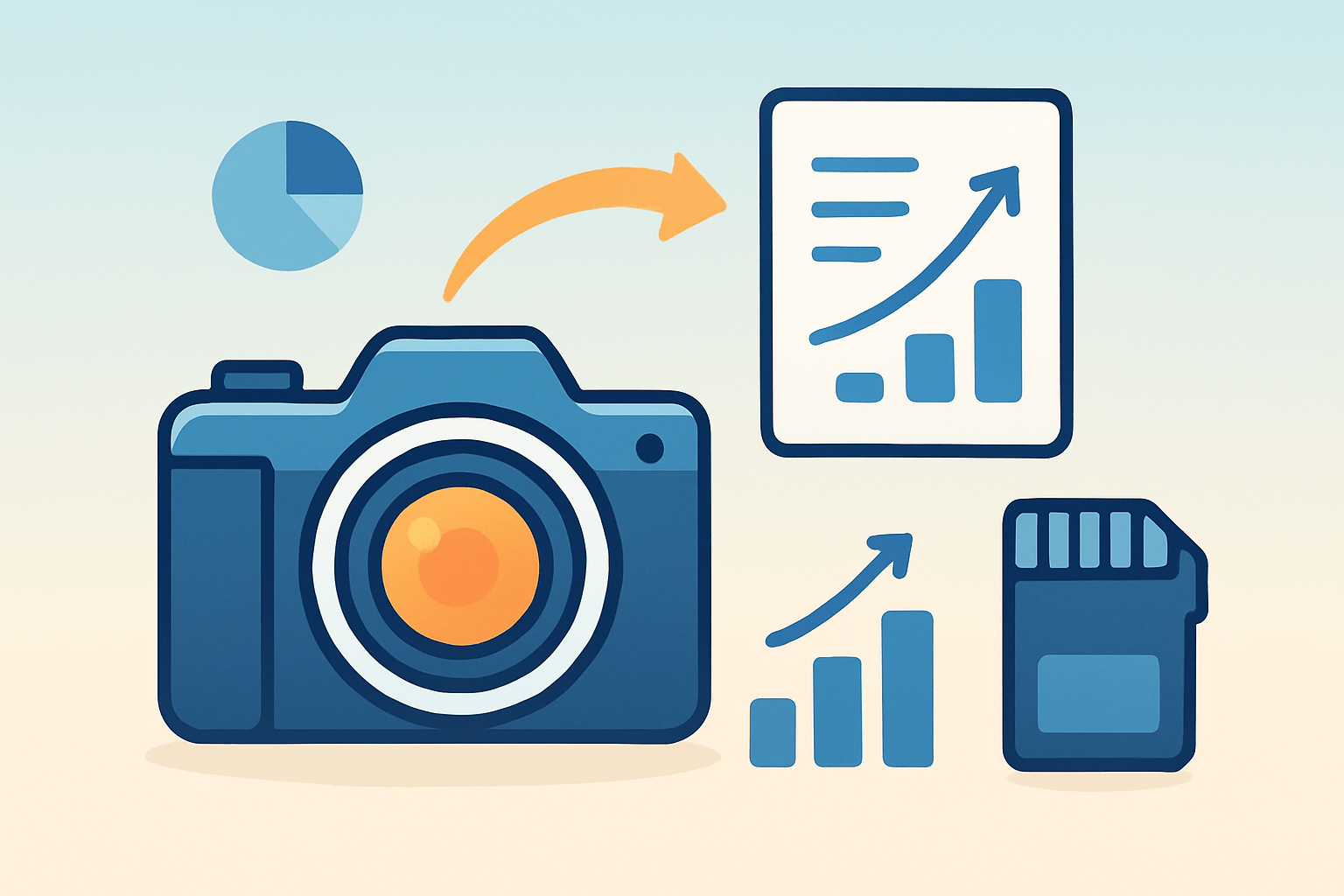
What is a csc camera? It is a mirrorless, interchangeable‑lens camera that replaces the DSLR’s mirror and optical viewfinder with an electronic viewfinder and on‑sensor imaging and autofocus systems. This design makes the camera smaller and quieter while keeping high image quality.
CSC stands for Compact System Camera. You will also hear mirrorless camera and MILC used as the same thing, and guides often use the term compact system camera to keep it simple.
The core parts are the body, a large sensor, an interchangeable lens mount, and an EVF or rear screen. Without a flipping mirror, the sensor handles focusing, exposure preview, and video in one continuous stream.
Mirrorless systems appeared around 2008 with early Micro Four Thirds models and grew fast through the 2010s. As EVFs improved and autofocus got smarter, many photographers moved from DSLRs to CSCs.
CSCs fit travel, street, portrait, and hybrid photo/video work very well. If you can swap lenses, you are looking at a CSC, not a basic compact point‑and‑shoot, and that single test keeps the naming clear.
How CSCs differ from DSLRs (mirrorless explained)
When people ask what is a csc camera compared with a DSLR, the first answer is the mirror. A DSLR uses a flipping mirror and optical pentaprism to show a real‑time optical view, while a CSC sends a live feed from the sensor to an EVF or screen.
EVFs bring big advantages, like live exposure preview, focus peaking, zebras, and magnification. The trade‑offs are possible lag in very low light and higher battery use, so plan your shoots with that in mind.
Autofocus is also different. CSCs use on‑sensor phase detection or hybrid AF, which allows fast Eye‑AF, subject tracking, and consistent performance in live view for both photos and video.
Size and weight often favor mirrorless bodies, though lenses can still be substantial, especially fast zooms. The overall kit is usually more portable, which helps for travel and long days on the move.
The shooting feel changes too, thanks to silent and electronic shutters. You can shoot in quiet places without drawing attention, but watch for rolling shutter artifacts with fast motion or flickering lights.
Battery life is generally shorter than DSLRs because the EVF and sensor are always active. Carry spares, use efficient power modes, and try handling a body before switching; it helps to set up back‑button focus and Eye‑AF right away and even consider articles that show how to swap your DSLR with confidence.
CSC sensor sizes and their impact on image quality and depth of field
Most CSCs come in three sensor sizes: Micro Four Thirds with a crop factor of about 2.0, APS‑C at about 1.5 to 1.6, and full‑frame at 1.0. Crop factor tells you how the field of view compares to a 35mm full‑frame reference.
Sensor size shapes low‑light performance, dynamic range, and noise behavior. Larger sensors gather more light at the same settings, so they usually give cleaner files and more flexibility in deep shadows.
Depth of field depends on sensor size, aperture, focal length, and distance. Smaller sensors give more depth of field at the same framing, so for a blurred background, use a faster lens, step closer, or choose a longer focal length.
Crop sensors can help with reach for wildlife and sports. A 300mm lens frames like a 450mm on APS‑C and about a 600mm on Micro Four Thirds, which makes distant subjects fill the frame.
As a quick cheat‑sheet, multiply by 1.5 on APS‑C and by 2 on Micro Four Thirds to get a full‑frame equivalent. For example, a 35mm on APS‑C feels close to a 50mm, and a 25mm on Micro Four Thirds also feels like a 50mm.
Imagine three sample shots side by side, each with the same framing and aperture: the full‑frame image shows the most background blur, APS‑C shows a bit less, and Micro Four Thirds shows the most in focus. In low light, the larger sensors will also display less noise at the same ISO.
Interchangeable lenses, mounts and compatibility
Every CSC system has a lens mount that defines your lens choices. Popular mounts include Sony E, Nikon Z, Canon RF, Fujifilm X, and the shared Micro Four Thirds standard used by several brands.
Native lenses give the best autofocus, stabilization, and full electronic control. Adapted lenses can work well, but AF speed and tracking may drop, and you sometimes need firmware updates for the adapter.
Third‑party makers like Sigma, Tamron, and Voigtländer expand your options with budget and specialty glass. Always check which mounts have the lenses you want before locking into a system.
Stabilization can be in the body (IBIS), in the lens (OIS), or both together. IBIS is great for primes without OIS, while a combined system helps with slow shutter speeds and handheld video.
For a starter kit, a small standard zoom covers travel and street, and a fast 35mm or 50mm equivalent prime is great for portraits and low light. Buy the best lens you can afford first, consider the used market, and test before committing by reading about compact system cameras and the ecosystems around them.
Tips for choosing the right CSC (buying checklist & practical shooting advice)
Begin with your primary use: photos, video, or both, and match a sensor size to that goal. Think about the lens ecosystem you need right now and in two years, and budget for at least one good prime.
Check autofocus for Eye‑AF and tracking, and make sure the EVF is sharp and bright. If you shoot video, look for IBIS, reliable 4K modes, and useful frame rates, then balance ergonomics, weight, and price.
Use Eye/Face AF for portraits, and learn back‑button focus for action and street. Combine IBIS and OIS when available, keep shutter speeds appropriate to your focal length, and shoot RAW for more editing headroom.
Electronic shutters are silent but can cause rolling shutter with fast movement or certain LED lights. Test your camera in real scenes, rent before you buy, and handle bodies in store to refine your setup and controls.
Carry spare batteries, fast cards, a compact tripod, a small mic if you film, and a cleaning kit. If you are still wondering what is a csc camera that suits you, prioritize lenses, check real‑world samples, and build a system that fits your hands and your story.
What People Ask Most
What is a CSC camera and how is it different from a DSLR?
A CSC camera, or compact system camera, is a small camera with interchangeable lenses that keeps many DSLR features in a lighter body. It often feels more compact and easier to carry than a DSLR.
Can a beginner use a CSC camera for everyday photography?
Yes, CSC cameras are beginner-friendly because they offer automatic modes and simple controls while still letting you grow into manual settings. They work well for family photos, street shots, and casual outings.
Is a CSC camera good for shooting video and vlogging?
Many people use CSC cameras for video since they often have good autofocus and clean video output in a compact package. They are a popular choice for vlogging and simple video projects.
Do CSC cameras let you change lenses for different kinds of photos?
Yes, one of the main benefits of a CSC camera is the ability to swap lenses for wide, zoom, or portrait shots. That flexibility helps you get better results as you learn different styles of photography.
Are CSC cameras easy to carry when traveling or hiking?
CSC cameras are typically lighter and smaller than traditional cameras, making them easier to pack and carry on trips. This makes them a good option for travel and outdoor photography.
Will a CSC camera make my photos look professional without learning much?
A CSC camera can improve image quality compared to a phone, but learning basic composition and lighting will still make the biggest difference. Automatic modes help a lot, but practice helps more.
What common mistakes should beginners avoid with a CSC camera?
Avoid relying only on automatic mode and ignoring basic techniques like steady hands and focusing on your subject. Also, don’t buy too many lenses right away—start simple and learn what you need first.
Final Thoughts on What Is a CSC Camera
If you asked “what is a csc camera” at the start, we’ve shown it’s a mirrorless, interchangeable-lens system that swaps bulk for compactness while keeping pro image tools — a change that often feels like a 270-degree turn toward portability and smarter autofocus. The core benefit is simpler, more confident shooting: live previews, quieter operation, and hybrid photo/video flexibility.
A realistic caution: battery life and lens ecosystems still matter — pack spares when you need long days, and weigh mount options since lenses often outlast bodies. For travelers, street shooters, portraitists using eye‑AF, and hybrid creators, these systems give the best mix of size, speed, and image quality when you match sensor size to your goals.
This piece answered the opening hook by explaining how mirrorless mechanics, sensor choices, and lenses shape real results, so you can judge tradeoffs with confidence. Look ahead with curiosity — the right CSC will free you to shoot more and carry less.


0 Comments