
Looking for the best camera for flower photography in 2026? Whether you chase delicate morning dew in a backyard garden or meticulously stage blooms under studio lights, the right camera will reveal texture, subtle color gradations, and the smallest petal veins. This concise guide introduces five standout bodies and explains why each deserves attention from macro enthusiasts and floral portraitists alike.
We evaluate core strengths that truly matter for floral work: sensor resolution to capture microscopic detail, color rendering that stays faithful to the subject, and dynamic range for tricky highlights and shadows. We also weigh in on in-body image stabilization and handheld ergonomics so you can confidently work without a tripod during golden hour or in cramped garden settings. Focus-stacking workflows and a robust lens ecosystem are covered as well, since combining stacking with the right macro glass often turns pretty shots into spectacular ones.
From ultra-high-resolution flagships that squeeze out every trace of detail to compact, steady mirrorless bodies built for nimble handheld shooting, the picks cover diverse styles and budgets. You’ll see cameras that favor razor-sharp output, bodies that simplify in-camera stacking, and systems that offer vast macro lens choices so you can grow your kit over time. Use this guide to narrow your options, match a camera to your creative workflow, and start making more expressive, technically strong flower photographs right away.
1. Nikon Z6II Mirrorless Camera
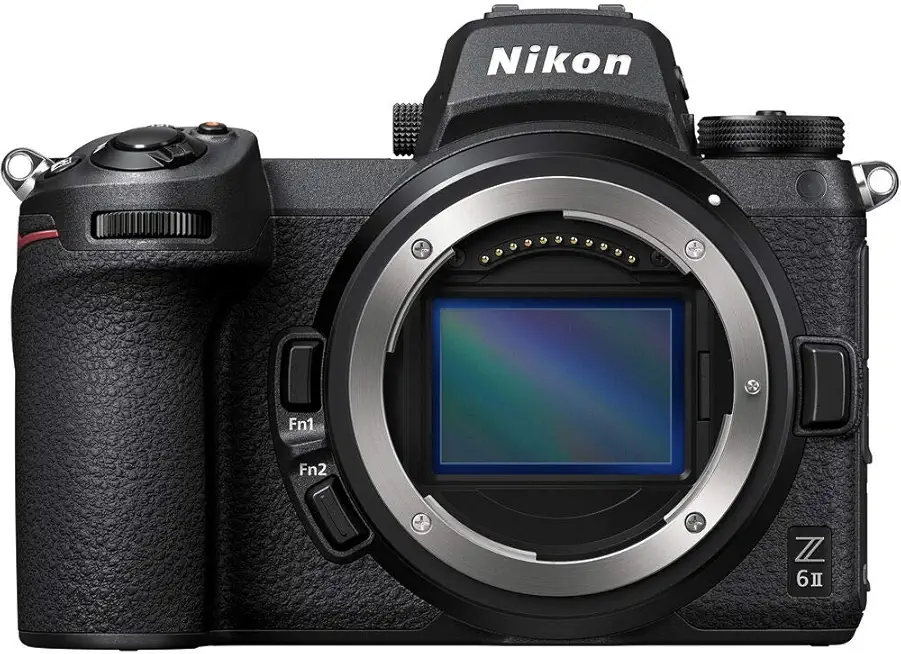
Nikon Z 6II mirrorless camera
Full-frame hybrid delivering outstanding low-light performance, fast autofocus, in-body stabilization, 4K video and dual card slots for professional photo and video workflows.
Check PriceThe Nikon Z6II is a versatile mirrorless that feels tailored to flower photography thanks to its 24.5 MP full-frame sensor. That resolution strikes a nice balance: plenty of detail for prints while keeping file sizes and workflow manageable when I’m shooting dozens of blooms in a session.
In practical terms, the in-body image stabilization (IBIS) and fast autofocus make handheld close-ups much less fiddly. I can work in lower light or at slower shutter speeds and still get sharp petal edges and delicate textures without hauling a tripod everywhere.
Lens compatibility is a real advantage for working florists and macro shooters. It accepts Nikon Z-mount lenses (for example the Nikon Z MC 105mm f/2.8 macro), so you’ve got optical options for tight frames, working distance, and creamy backgrounds. That flexibility helps when I want to isolate a subject or compress a scene for dramatic bokeh.
Users often mention the camera’s excellent low-light performance and its ability to handle a range of lighting conditions, which I’ve found true during overcast shoots and late golden-hour work. The body isn’t perfect for everyone ergonomically, but for image quality and handheld reliability it’s a strong, adaptable choice for most flower photographers.
- Excellent low-light performance
- Fast autofocus
- IBIS reduces camera shake
- Supports wide range of lenses
- Ergonomics less comfortable for some users
- Limited internal storage without memory cards
2. Sony A7R IV Mirrorless Camera
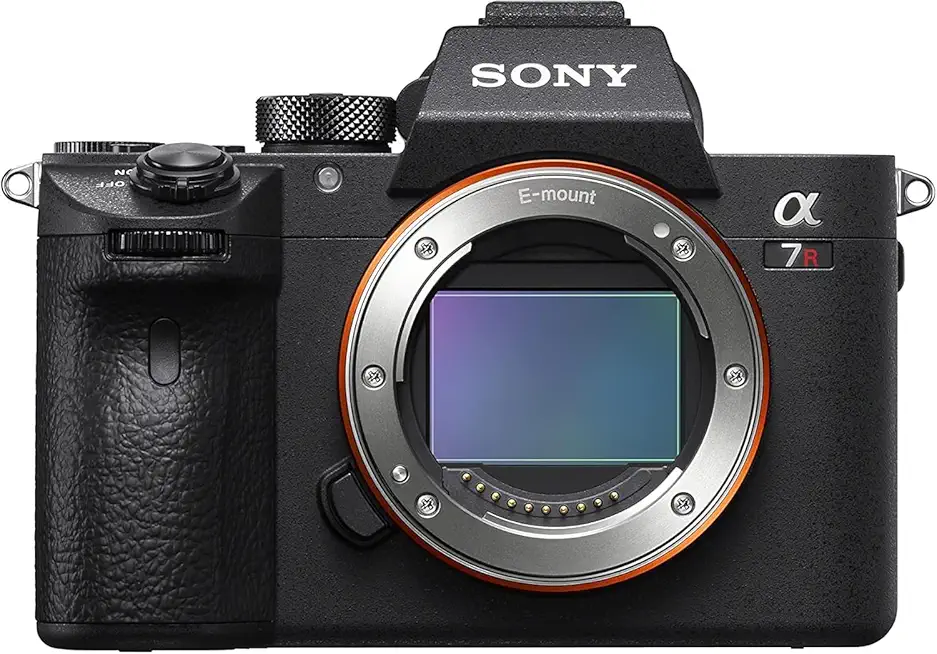
Sony Alpha 7R IV 61MP mirrorless camera
Ultra-high-resolution full-frame sensor capturing astonishing detail, superior dynamic range, advanced autofocus and image stabilization for large-format prints and commercial photography.
Check PriceWhen I need to capture the tiniest veins and textures in a bloom, the Sony A7R IV is my go-to. Its 61.4 MP full-frame sensor delivers insanely detailed files that let you crop or print large without losing the subtle petal structure.
Focus stacking is built into the workflow, which is a huge advantage for flower photography where depth of field matters. Using focus stacking gives you a deeper, tack-sharp plane of focus across the subject while preserving fine detail.
Autofocus on the A7R IV is both fast and accurate, so locking onto small features like stamen or petal edges is much less frustrating. IBIS helps too — it makes handheld close-up work more practical and reduces the need for a tripod in many lighting situations.
The camera pairs nicely with Sony FE glass — for example the FE 90mm f/2.8 Macro G OSS — and benefits from a broad lens ecosystem. That lens compatibility means you can choose the focal length and working distance that suits your style without compromise.
There are trade-offs to consider. Those 61.4 MP files are large and demand fast cards, plenty of storage, and a capable computer for processing. Some shooters also find the body a bit large for long handheld sessions, so factor ergonomics into your choice.
- 61.4 MP for extreme detail
- Fast, accurate autofocus
- IBIS for sharper handheld shots
- Wide Sony FE lens ecosystem
- Very large file sizes
- Body is large for some users
3. Olympus OM-D E-M1X Mirrorless Camera

OM System OM-D E-M1X mirrorless camera
Rugged pro-grade system with built-in vertical grip, blazing continuous shooting, weather-sealed durability and advanced stabilization for demanding wildlife and sports shooters.
Check PriceThe Olympus OM-D E-M1X is a favorite when I need to shoot flowers handheld and stay nimble in the field. It brings in-camera focus stacking and a Handheld Hi-Res mode that really change the game for detailed floral work without lugging a heavy setup.
Its IBIS is excellent, which means I can stop down for depth of field or shoot at slower shutter speeds without sacrificing sharpness. The camera pairs with M.Zuiko lenses (e.g., 60mm f/2.8 macro; PRO 40–150mm f/2.8), so you get true macro capabilities in a compact package.
In-camera focus stacking helps a lot when you want deep depth of field on a small subject and don’t have room or patience for a rail. Users often praise the IBIS plus the stacking tools for giving tack-sharp, well-focused results straight out of the camera.
The fully articulated screen is a small detail that makes a huge difference when composing low-angle or awkward shots among stems and leaves. It saves time and keeps you comfortable when you’re working close to the ground or in tight garden spaces.
Handheld Hi-Res lets you produce higher-resolution files without a tripod, which is great for prints or cropping into compositions later. For photographers who prioritize portability, reliable stabilization, and built-in focus tools, this camera is mostly a win.
Be aware it’s a bit larger than some Micro Four Thirds options, and the dynamic range won’t match many full-frame bodies if you need to pull a lot from shadows and highlights. Still, for everyday flower photography where mobility and in-camera features matter, the OM-D E-M1X is hard to beat.
- Excellent IBIS for handheld shots
- In-camera focus stacking enhances DOF
- Compact and portable
- Fully articulated screen for flexible framing
- Body larger than some Micro Four Thirds options
- Limited dynamic range compared to full-frame
4. Canon EOS R5 Mirrorless Camera

Canon EOS R5 mirrorless camera body only
High-resolution 8K-capable professional body with cutting-edge autofocus, in-body stabilization and rapid burst shooting for creators and hybrid filmmakers.
Check PriceThe Canon EOS R5 is a high-performance mirrorless camera built for detailed stills, featuring a 45 MP full-frame sensor and compatibility with Canon RF lenses like the RF 100mm f/2.8L Macro IS USM. That resolution lets you record fine petal texture and subtle color transitions that matter in flower photography. If detail and tonal richness are priorities, the R5 delivers in spades.
Autofocus on the R5 is a standout: fast AF, Eye AF, and robust subject tracking make it easy to lock onto a focal point and keep it sharp. In-body image stabilization (IBIS) further helps you shoot handheld in lower light without sacrificing sharpness. Together these systems reduce the need for perfect conditions and let you concentrate on composition.
Users commonly praise the R5’s subject tracking and stabilization for consistent results in challenging scenarios. The broad RF lens compatibility gives access to high-quality macro optics tailored to close-up work, so the body and lenses pair well for floral detail. For photographers who value speed, resolution, and reliable focusing, the R5 is mostly a very strong choice.
There are trade-offs to consider: the R5 produces very large file sizes because of its 45 MP sensor, and some users report overheating during extended video recording. If you shoot mainly stills and need top-tier resolution with modern AF and IBIS, the R5 is an excellent tool; if you’re sensitive to file-management burdens or shoot long-form video regularly, note those limitations.
- High resolution with advanced autofocus
- Fast, accurate subject tracking
- IBIS for low-light/sharp handheld shots
- Broad RF lens compatibility
- Reported overheating during extended video recording
- Large file sizes
5. Nikon D850 DSLR Camera

Nikon D850 DSLR camera body
High-resolution DSLR delivering stunning image detail, exceptional dynamic range, long battery life and professional handling for landscape, studio and portrait photographers.
Check PriceThe Nikon D850 DSLR is a fantastic tool for flower photography when you want maximum detail and tonality. Its 45.7 MP full-frame sensor delivers exceptional resolution that captures every vein, pollen grain, and subtle petal texture with clarity.
Dynamic range is another strong point, so you can hold highlight and shadow detail in tricky lighting. That lets you recover skies or bright petals without crushing midtones, which is invaluable for intricate close-up work.
Live View with fast autofocus makes precise framing and focus easier during macro shooting. The camera’s robust build quality means it stands up to field use and long shoots without feeling fragile.
Compatibility with Nikon F-mount lenses gives you access to dedicated macro optics, for example the AF-S VR Micro-Nikkor 105mm f/2.8G. Users consistently praise the D850 for its image detail and solid construction.
If you prioritize image quality, dynamic range, and durability, the D850 is a top choice. Be mindful that it is heavier and a bit less intuitive than mirrorless options, so it suits photographers who favor resolution and robustness over the latest mirrorless ergonomics.
- 45.7 MP full-frame sensor
- Excellent dynamic range
- Wide lens support (F-mount)
- Robust build quality
- Less intuitive than mirrorless for some users
- Heavier than mirrorless counterparts
Flower Photography Lighting Techniques
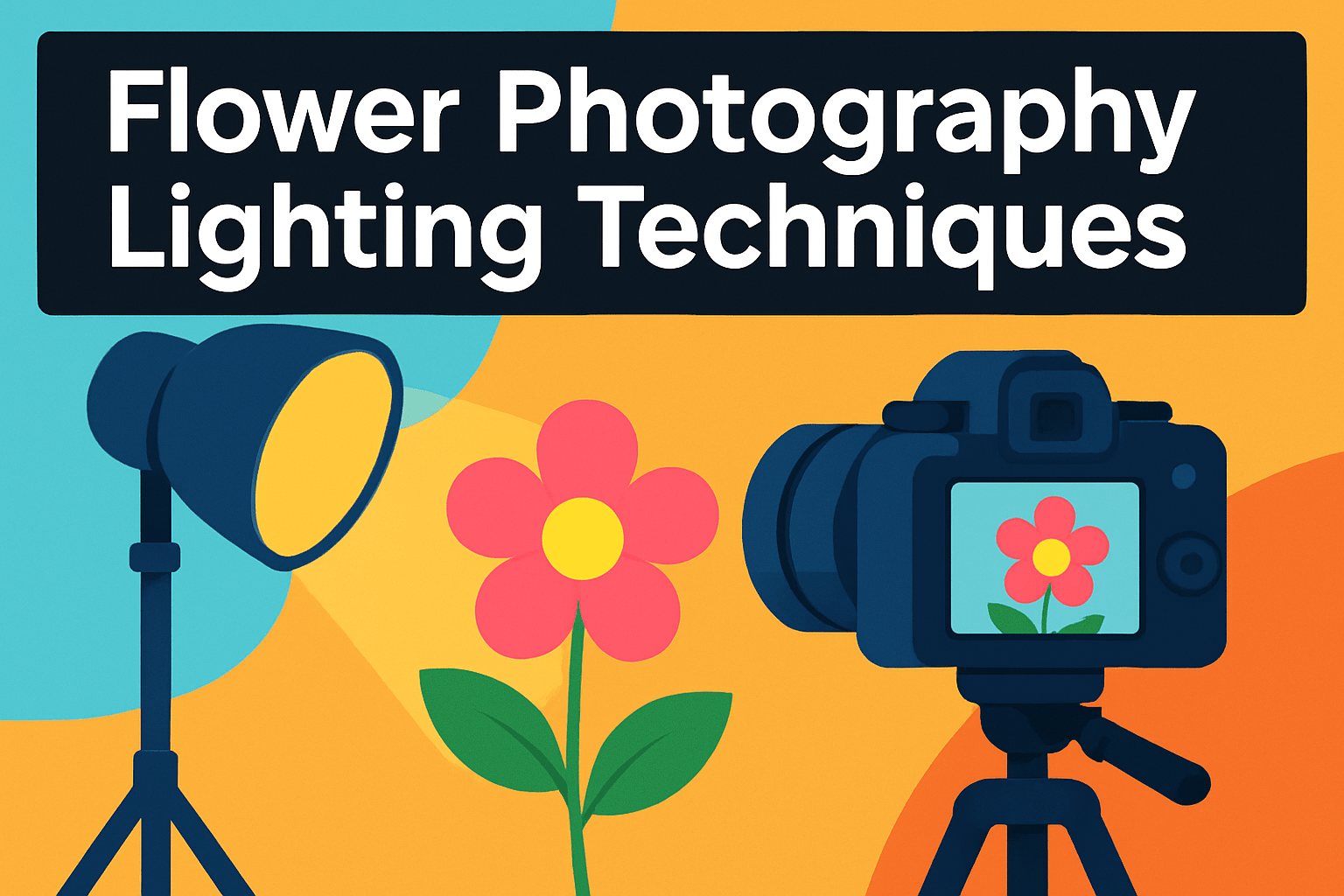
Light makes or breaks a flower photo. I start every shoot by deciding whether I want soft, even illumination or drama and texture. That choice informs where I place the plant, how I angle the camera, and which tools I bring.
On overcast days I love to work close. The clouds act as a giant softbox and reveal subtle color and petal detail without harsh shadows. If I need a little shape, I turn the flower slightly to create gentle side lighting that keeps highlights under control.
Golden hour is another favorite. The warm, low-angle light sculpts petals and gives a natural glow. I often shoot side-on to emphasize texture and use a small reflector to lift shadows without making the image flat.
Backlighting produces beautiful translucency in petals. I position the sun or a continuous light behind the bloom and expose for the highlights on the edges. A thin diffuser between the light and flower will tame hotspots while preserving that luminous effect.
For controlled setups I use small LED arms or a ring light with a high CRI (≥90). Accurate color is crucial with flowers, so I avoid cheap LEDs that shift tones. Flexible lights let me feather illumination into crevices and sculpt the subject precisely.
If the sun is too harsh I move the plant into open shade or hold a diffuser overhead. Reflectors and white cards are my go-to for subtle fill; black cards work as flags to deepen shadows and make the subject pop against busy backgrounds. This combo gives control without heavy gear.
Don’t shy from hard light when you want drama. Slight underexposure preserves color and prevents blown highlights. I shoot several frames, tweak light placement by inches, and compare to find the balance between texture, color, and mood.
Flower Photography Composition Best Practices
Great flower photos start with composition, not gear. I always begin by simplifying the scene until the flower’s best feature becomes obvious. Remove stray leaves, distracting stems, and busy backgrounds so the eye lands where you want it to.
Find a clear point of focus. That might be a stamen, the edge of a petal, or a dewdrop. Use a shallow depth of field to isolate that detail, but be mindful that at close distances DOF is razor-thin; stop down or focus-stack when you need more of the flower sharp.
Rules like the rule of thirds, leading diagonals, and symmetry are your friends, but don’t be afraid to break them. Centering a perfectly round bloom can be more powerful than an off-center placement. Try both and let the shape of the flower dictate the composition.
Change your perspective to add interest. Kneel, get level with the blossom, or shoot from slightly above for a more graphic look. Small shifts in angle will change how light sculpts petals and can reveal textures you didn’t notice at first glance.
Background is everything. Aim for a clean, uncluttered backdrop by increasing distance between subject and background, using a wide aperture for creamy bokeh, or placing a dark card or diffuser behind the flower. Contrasting backgrounds make colors pop and simplify your image.
Light shapes composition as much as framing does. Soft, side light emphasizes texture; backlight makes petals glow. Use reflectors or flags to control spill and keep attention on the flower rather than bright distractions.
Think iteratively. I take lots of small variations—adjust focus, move two inches, change the angle—and compare them on the camera. The best image often comes from a series of tiny, deliberate refinements.
Above all, compose with intention. Let the flower’s form and mood guide your choices, and you’ll consistently make images that feel both natural and thoughtfully crafted.
What People Ask Most
What is the best camera for flower photography?
There is no single best camera; choose one that fits your priorities such as resolution, stabilization, and lens options. Consider how you shoot and pick a camera that pairs well with macro lenses and suits your shooting style.
Do I need a macro lens for flower photography?
A macro lens is very helpful because it lets you focus closely and capture fine detail. You can still photograph flowers with other lenses or accessories, but a dedicated macro will make close-up work easier.
Is full-frame better than APS-C for flower photography?
Full-frame bodies can offer advantages like greater dynamic range and a different look to depth of field, while APS-C systems can be more compact and provide extra reach with some lenses. The best choice depends on your preferences for handling, lens ecosystem, and the final look you want.
What camera settings are best for close-up flower photography?
Use settings that give sufficient depth of field for the part of the flower you want sharp and keep sensitivity low for clean images. Adjust shutter speed or stabilization accordingly and prioritize precise focus on the main point of interest.
Can I use a mirrorless camera for flower photography?
Yes, mirrorless cameras are well suited for flower photography and often offer features like in-body stabilization and focus tools that help with handheld macro work. They also work with a wide range of lenses for close-up shooting.
Which focal length is best for flower photography?
A short to medium telephoto macro focal length is popular because it provides a comfortable working distance and flattering perspective. Choose a focal length that lets you frame the subject while maintaining the distance you need to avoid disturbing the flower.
Can I use a smartphone to photograph flowers with DSLR-quality results?
Smartphones can produce excellent flower images in good light and with close-up modes, especially for sharing online. For extreme magnification, shallow depth control, or advanced lens choices, interchangeable-lens cameras still offer advantages.
Conclusion On Best Camera For Flower Photography
In the end, the best camera for flower photography is the one that lines up with your priorities—whether that’s high resolution for fine detail, IBIS and handheld convenience, focus‑stacking options, portability, or access to the right lens ecosystem.
Remember that pairing your chosen body with suitable macro optics and thoughtful lighting and composition will usually matter more to your final images than raw specs alone.
Take time to test cameras, lenses, angles and light in real shooting conditions so you can refine a workflow that fits your style and the flowers you love to photograph.
If you want to improve your skills and explore more techniques, read more articles on our site to build on these ideas and learn practical tips you can try right away.
Have questions or want to share results from your own sessions? Leave a comment below — we usually reply within a few hours.


0 Comments