

Ever set up a cinematic night shot only to watch it fall apart on playback?
Low-light video has a way of turning bold ideas into grainy, shaky footage that feels impossible to fix. Picking the right camera makes all the difference.
This guide walks you through five top cameras built for night video. I’ve tested them in real conditions to see how they perform handheld, on gimbals, and on tripods. You’ll get clear, practical recommendations without the spec-sheet noise.
We’ll focus on the essentials: low-light sensitivity, noise control, stabilization, and video-centric features that influence final footage. I’ll break down the practical pros and cons you’ll encounter in the field, not just lab numbers. These are the factors that determine whether your shots read as cinematic or disposable.
Ergonomics, battery life, lens compatibility, and how a camera handles fast glass at night all matter. I’ll explain which bodies favor run-and-gun handheld work and which are better suited to tripod-based long exposures and timelapses. Practicality often beats theoretical performance when you’re on a cold, late-night shoot.
Whether you’re a filmmaker, event shooter, or astrophotography enthusiast, this guide will help you narrow the field. By the end you’ll have a shortlist that matches your budget, style, and workflow. Let’s find the camera that turns darkness into cinematic opportunity.
1. Sony A7S III Overview

Sony Alpha 7S III
Exceptional low-light sensitivity and cinematic 4K120 video with advanced autofocus for professional filmmakers and night shooters.
Check PriceThe Sony A7S III is a purpose-built low-light workhorse that I often recommend to videographers shooting at night. It uses a 12MP Full-Frame Exmor R BSI CMOS sensor and an ISO range extended to 409,600, which translates to usable image quality in conditions most cameras would fail.
For motion work, its video spec is a standout: UHD 4K at 120p with internal 10-bit 4:2:2 sampling, giving you rich color and grading latitude straight out of the camera. That internal 10‑bit 4:2:2 recording and advanced codecs mean less time wrestling with proxies and more time nailing exposure and composition.
Autofocus and stabilization keep handheld night shooting realistic. The 759-point Fast Hybrid AF is surprisingly snappy in low light, and the 5-axis SteadyShot Image Stabilisation lets you push slower shutter speeds without immediately resorting to a tripod.
In real-world terms, the A7S III excels for professional night video: run‑and‑gun city nights, dim interiors, and event coverage where you must keep mobility and image quality. Users consistently note its ability to handle very high ISOs without catastrophic noise. Be mindful though — the 12MP sensor is a compromise if you also need high-resolution stills, and the camera’s built-in noise reduction can sometimes soften fine detail.
- Excellent low-light performance
- 5-axis stabilization for handheld night shots
- UHD 4K120p with internal 10-bit 4:2:2
- Video-centric feature set and advanced codecs
- 12MP resolution limits high-res stills
- Built-in noise reduction can affect detail
2. Sony A7 IV Overview
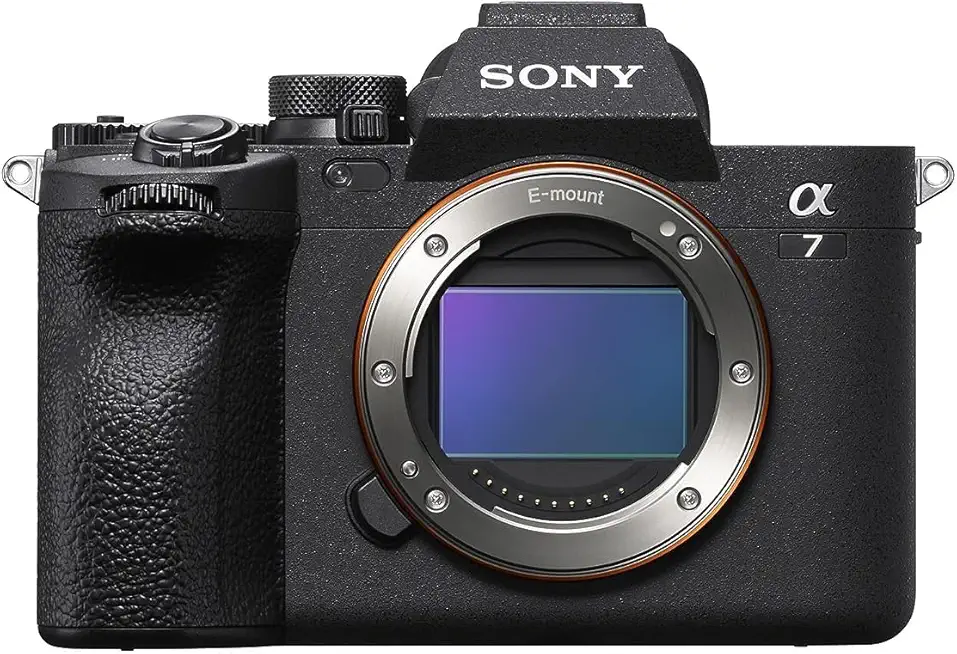
Sony Alpha 7 IV
High-resolution full-frame imaging with fast hybrid autofocus and versatile video features for content creators and photographers.
Check PriceThe Sony A7 IV is a fantastic all-rounder for night video thanks to its 33MP full-frame BSI CMOS sensor that delivers excellent dynamic range and detail when you need it most. That higher resolution gives you flexibility—crop or reframe your shots in post without losing critical detail, which is handy for low-light cityscapes and astrophotography.
Its ISO range of 50–204,800 (expandable) means the camera can chase very dim scenes while still retaining usable image quality. Autofocus is a real strength here: Real-time Tracking down to −4 EV keeps subjects locked even when light is scarce, so you can focus on composition and movement rather than hunting for focus.
Video-wise the A7 IV is built to serve both photographers and videographers; it’s not a one-trick video specialist, but it gives you great-looking footage and stills from the same body. In practical terms that balance means fewer kit swaps on night shoots—one camera covers long-exposure Milky Way frames, handheld city timelapses, and run-and-gun evening events quite well.
If you’re a photographer who also shoots video, this is a compelling choice: users praise its balance of features and low-light performance. Do note the trade-offs—burst shooting is a tad slower than some rivals, and if you’re a pure video specialist there are bodies tuned more narrowly to high-end cinema workflows. For most creative night shooters though, the A7 IV hits a sweet spot between resolution, AF reliability, and usable high-ISO performance.
- Excellent dynamic range and real-time tracking
- Great for both photography and videography
- Well-suited for cityscapes and astrophotography
- Versatile across various shooting conditions
- Slightly slower burst shooting than competitors
- Not as specialized for video as dedicated video bodies
3. Panasonic Lumix S5 II Overview

Panasonic LUMIX S5 II (DC-S5M2) Body Only
Compact full-frame hybrid with impressive stabilization and cinematic video tools for travel and studio work.
Check PriceAs a working photographer I appreciate cameras that balance low-light capability with practical handling, and the Panasonic Lumix S5 II does just that. Its 24MP full-frame sensor delivers ample resolution while being noted for good low-light performance, even though Panasonic doesn’t list a specific ISO range in the outline.
Autofocus is handled with Phase Detection AF, which gives reliable subject acquisition in darker scenes where contrast can be scarce. That AF, combined with excellent image stabilization, makes handheld night work far less stressful — you can confidently shoot run-and-gun sequences without constantly reaching for a tripod.
Where the S5 II really shines for night video is in its codec and resolution options: true 6K/30p recording, clean 10-bit color, and uncropped footage provide latitude in post and the option to reframe without sacrificing quality. Those features mean you can grade aggressively and still retain color fidelity and dynamic range in tricky night lighting.
Physically, the camera is lightweight, durable, and ergonomic, which matters when you’re carrying gear between nighttime locations or shooting handheld for long stretches. Users in the outline praise the portability and stabilization for handheld work — exactly the traits I look for when covering events or moving-city shoots after dark.
If you need ultra-wide angles at higher frame rates, note the trade-off: 4K/60p on the S5 II comes with a 1.5x crop that limits field of view. Aesthetically, the design isn’t the flashiest compared to some rivals, but the functional build serves practical shooters very well.
- Excellent video quality with Phase Detection AF
- 6K/30p and 10-bit uncropped recording
- Lightweight, durable, ergonomic body
- Strong stabilization for handheld run-and-gun
- 4K/60p has a 1.5x crop
- Design not as fashionable
4. Canon EOS R6 Mark II Overview
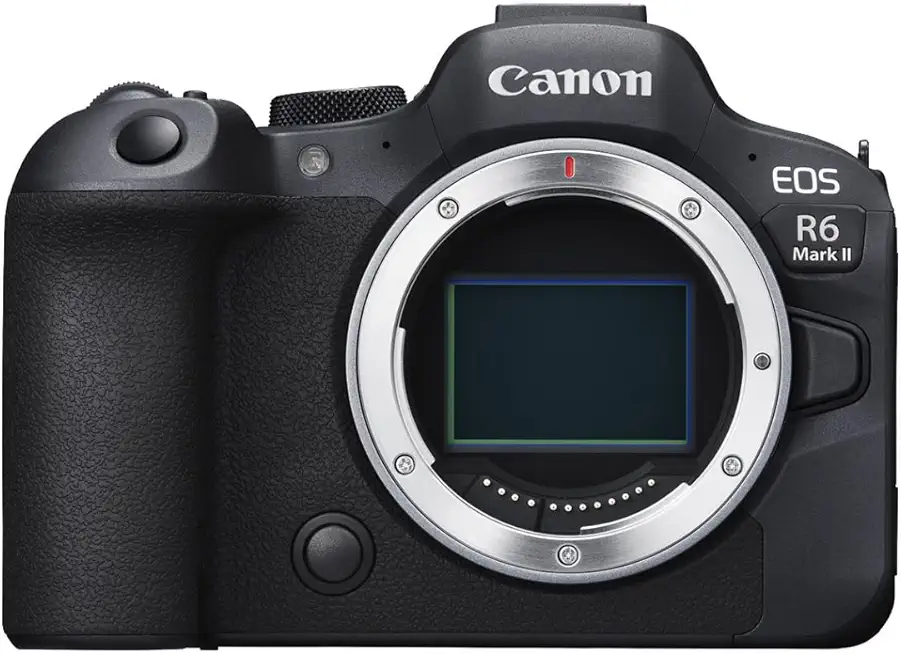
Canon EOS R6 Mark II Body Only
Blazing continuous shooting and reliable autofocus paired with smooth low-light performance for sports and fast-action shooters.
Check PriceThe Canon EOS R6 Mark II is a full-frame body that, in my experience, balances stills and night video exceptionally well. Its full-frame sensor and “high-resolution sensor for detailed images” give you clean, usable frames when lighting is scarce, which matters when you want to crop or stabilize in post.
Autofocus is strong — the outline notes an “advanced AF system” — and that gives confidence when tracking subjects under streetlights or during low-contrast night scenes. Paired with in-body image stabilization (IBIS), you can handhold longer exposures and smoother handheld video than you’d expect from a hybrid body.
The camera is described as having “high-quality video capabilities,” so while you don’t get a page of specs here, the real-world takeaway is practical: it can produce polished night footage without forcing you into a purely cinema-oriented workflow. That makes it a comfortable choice for photographers who also shoot video on weddings, events, or nightly cityscapes.
Be aware the outline doesn’t list a specific ISO range or detailed video specs, so if you need exact frame-rates, codecs, or extreme high-ISO performance numbers for a professional cinema pipeline, you’ll want to confirm those before buying. Also, it’s noted that the R6 Mark II “may not be as video-centric as some competitors,” so dedicated videographers chasing every advanced video feature might prefer a more specialized body.
Overall, if you’re a photographer who wants great low-light AF, solid IBIS, and the flexibility to shoot high-quality night video without swapping systems, the R6 Mark II is a very good fit. Users appreciate its balanced feature set for stills and video in real-world night shooting.
- Excellent low-light performance with advanced AF
- IBIS provides stability for handheld shooting
- Suitable for both photography and videography
- High-resolution sensor for detailed images
- Specific details on video features and ISO range are not highlighted
- May not be as video-centric as some competitors
5. Canon EOS R5 Overview

Canon EOS R5 Body Only
High-resolution sensor and pro-grade video capabilities deliver stunning detail and speed for demanding professional photographers and filmmakers.
Check PriceThe Canon EOS R5 is a powerhouse for anyone who prioritizes detail in low-light work. Its 45MP full-frame sensor delivers exceptional resolution, which means you can crop, reframe, or pull still frames from video with real confidence. This makes it particularly attractive for astrophotography and Milky Way work where fine detail matters.
Autofocus at night is often the make-or-break factor, and the R5’s Dual Pixel AF II performs impressively down to -6 EV. That level of low-light AF means you spend less time hunting for focus and more time composing the shot. For night videography, reliable AF lets you keep moving subjects and tricky scenes sharp.
The native ISO range of 100–51,200, expandable to 102,400, gives you real flexibility when light is scarce. You can push the sensitivity when necessary while retaining usable quality, especially for static or slow-moving night scenes. And the camera’s high-resolution video capabilities mean you can capture scenes with great clarity and hold up frames for post processing.
That said, there are practical trade-offs to consider before committing. The huge files from a 45MP sensor and high-resolution video can quickly eat storage and make editing more demanding. Also, the R5 sits at a premium price point, so it’s best suited to serious photographers and videographers who will use its full capabilities.
- 45MP full-frame sensor
- Dual Pixel AF II (-6 EV) for low-light focus
- ISO 100–51,200 (expandable to 102,400)
- High-resolution video output
- Large file sizes
- Expensive
Tips for Better Night Video

Shooting night video is less about magic and more about choices. Pick the fastest lens you can—primes in the f/1.4–f/1.8 range make a huge difference—and plan your shots around available light sources.
Keep shutter speed conservative to avoid motion blur; 1/30–1/60 is a good starting point for most handheld night work. If you want cinematic motion, shoot 24 or 25 fps—remember higher frame rates demand more light or faster shutter speeds, which will cost you exposure.
Start with ISO around 800–1600 and only push it higher when you must. Learn where your camera’s noise floor sits; many modern full‑frame bodies can comfortably reach 3200–6400 with usable results. Use “expose to the right” to preserve detail, but don’t clip highlights from streetlights or neon.
Stability changes everything at night. Use a tripod whenever possible. If you need mobility, a gimbal or a body with strong IBIS will let you walk and film without mushy motion. When all else fails, brace your elbows, or rest the camera on a solid surface for steadier frames.
Practical light is your friend. Street lamps, shop windows, phone screens and car headlights give texture and depth that a blanket of artificial light cannot. Carry a small bi‑color LED panel and a tiny diffuser—even subtle fill makes faces readable and adds separation from the background.
White balance and picture profile matter. Set a manual white balance or use a gray card to avoid color shifts from mixed light. If your camera offers Log or RAW video, use it for maximum grading headroom; you’ll thank yourself in post when pulling shadows and taming highlights.
In post, denoise judiciously. Heavy noise reduction can soften fine detail, so strike a balance between cleaner footage and retained texture. Use temporal denoising tools and subtle sharpening, and always compare before/after on a big screen.
Finally, test and adapt. Take quick test shots when you arrive, check the histogram, and tweak settings rather than guessing. Night work rewards patience—get your exposure, stabilize the shot, and craft light, and you’ll capture scenes that feel alive after dark.
Use a Tripod for Stable Night Video
When shooting at night a tripod is not an optional accessory — it’s a tool that changes what you can create. With long exposures and slow shutter speeds, even the steadiest hands introduce blur. Mounting your camera on a solid tripod instantly removes that variable and gives you much cleaner, sharper footage with lower ISO and richer shadows.
Pick a tripod that feels stable rather than ultra-light. A heavier tripod with a low center of gravity and a fluid head will give you smooth pans and rock-solid framing. If you’re chasing stars or doing time-lapses, a ball head is fine for quick composition, but a proper fluid head makes motion in night scenes feel cinematic.
Using a tripod also frees you to experiment with exposure. You can push shutter speeds slower to capture streetlight trails, neon reflections, or the Milky Way without raising ISO and inviting noise. For video, that means you can preserve clean highlights and deep blacks while keeping motion natural at 24 or 25 fps.
Small practical things matter. Hang a weight from the tripod hook or put a sandbag on the legs if the wind picks up. Use a remote, smartphone app, or the camera’s timer to start and stop recordings so you never touch the rig and introduce shake. Level the head carefully — a tilted horizon will nag you in every clip.
One more note on in-body stabilization: it’s brilliant for handheld work but can sometimes interfere when the camera is locked to a tripod. Check your camera’s recommendations and disable IBIS if you see odd micro-movements when mounted. If you don’t have a tripod, brace your elbows, lean against something solid, or use a stable surface — but whenever possible, bring a tripod. Night shoots are simply easier and more creative with one under your camera.
What People Ask Most
What is the best camera for shooting video at night?
The best camera depends on your priorities; prioritize low-light performance, stabilization, and useful video features. Choose a model that fits your shooting style, budget, and post-production workflow.
Which cameras have the best low-light video performance?
Cameras with larger sensors, efficient high-ISO handling, and strong stabilization tend to perform better in low light. Look for real-world reviews and user feedback to confirm how a model handles night scenes.
Can mirrorless cameras shoot better night video than DSLRs?
Mirrorless bodies often offer modern video features and live electronic previews that can help in low-light situations. Ultimately, performance comes down to the specific camera and lens pairing rather than the system alone.
What camera settings are best for night videography?
Use a wide aperture to gather more light, choose a shutter speed that balances exposure and motion blur, and raise ISO only as needed. Pair these settings with stabilization or a tripod to maintain image quality.
How do I reduce noise when filming video at night?
Use available light sources to illuminate your scene and keep ISO as low as practical by opening the aperture or lengthening exposure when possible. Apply careful exposure in-camera and use gentle noise reduction in post-production.
Which sensor type (full-frame vs APS-C vs Micro Four Thirds) is best for low-light video?
Larger sensors generally offer better light-gathering and noise performance, but lens choice, stabilization, and processing also play major roles. Choose the system that best balances sensitivity, size, and available lenses for your needs.
What lenses and apertures are best for night video?
Fast lenses with wide apertures such as f/1.4 or f/1.8 are ideal because they let in more light and allow lower ISO. Consider wide-angle options for landscapes and stabilized or light-weight lenses for handheld work.
Conclusion for Best Night Video Cameras
This guide aimed to simplify choosing a camera for night video by focusing on the essentials—low‑light performance, stabilization, and the video features that matter in real‑world shoots.
Use the summarized pros, cons, and real‑world notes to compare models against your shooting style, whether you prioritize handheld run‑and‑gun work, high‑resolution stills, or cinema‑grade low‑light video.
To develop your night‑shooting skills further, read more articles on our site for practical tips on settings, stabilization techniques, and post‑production workflows that will help you get better results faster.
Have a question about a specific camera or scenario? Leave a comment below and we usually reply within a few hours to help you choose and improve your night‑video workflow.



0 Comments