
Ever stood under a streetlamp and walked away disappointed with noisy, flat photos? Low light can expose every weakness in a camera and lens. But the right gear and know-how turn those dark scenes into dramatic keepsakes.
This guide delivers concise, magazine-style reviews of five top low-light cameras, together with practical advice on lenses, accessories, and on-camera settings. We focus on real shooting results rather than spec sheets and marketing blurbs. Whether you shoot portraits, live events, wildlife, or nightscapes, you’ll find options that suit different budgets and approaches.
Recommendations are drawn from expert reviews, thousands of user reports, and hands-on testing in dim, real-world conditions. We weighed noise performance, autofocus reliability in the dark, handling and battery life to identify bodies that reliably produce usable images when light is scarce. The result is a shortlist built around reproducible performance in the field.
Flip the page and you’ll get straightforward buying guidance, practical shooting tips, and gear pairings that actually improve low-light results. Expect clear trade-offs and honest pros and cons so you can pick what matters to your style. Ready to stop fighting the dark and start making pictures you love?
You’ll also find quick-start settings and accessory recommendations to get you shooting tonight, whether you prefer handheld or tripod work. Consider this your field guide for low-light confidence, with actionable advice you can test on your next shoot.
1. Nikon D850 Low-Light Performance

Nikon D850 DSLR Body
45.7MP high-resolution pro DSLR delivering exceptional detail, dynamic range, and fast autofocus for demanding photographers.
Check PriceThe Nikon D850 is built around a 45.7MP back-illuminated CMOS full-frame sensor, and in practice that means massive resolution with excellent noise control when light is scarce. As a working pro I reach for it when I need maximum detail from night skies or dim wildlife scenes — the files simply hold up when you pull shadows and push ISO.
Users regularly report clean, highly detailed images at very high ISOs (some citing usable results beyond 10,000), and Nikon’s own spec notes ISO up to 25,600 with extended settings usable. That combination of resolution and low-light headroom gives you flexibility: slower shutter speeds, tighter crops, and still plenty of tonal detail in shadows and highlights.
Autofocus is a strong suit for low-light shooting — the 153-point AF system (99 cross-type) focuses down to -4 EV using phase-detection, which is why night and wildlife shooters often choose the D850 for pinpoint results with fast glass. Do note that Live View AF is slower than mirrorless alternatives and there’s no autofocus illuminator, so achieving critical focus can require technique or brighter AF-assist in extreme darkness.
If you prioritize image quality, dynamic range, and a rock-solid AF lattice for low-light work, the D850 is hard to beat — just be ready for a sizable, well-built body and to rely on fast lenses or support for the most demanding night shoots.
- Exceptionally high image quality and sharpness at high ISO values (ISO up to 25,600 and extended settings usable)
- 153-point AF system with -4 EV sensitivity for low-light phase-detection AF
- Excellent dynamic range and shadow/highlight retention
- Durable build, large buffer and good battery life
- Live View autofocus slower and less reliable in low light compared to mirrorless cameras
- Large and heavy body
2. Canon EOS R6 Mark II Low-Light Performance
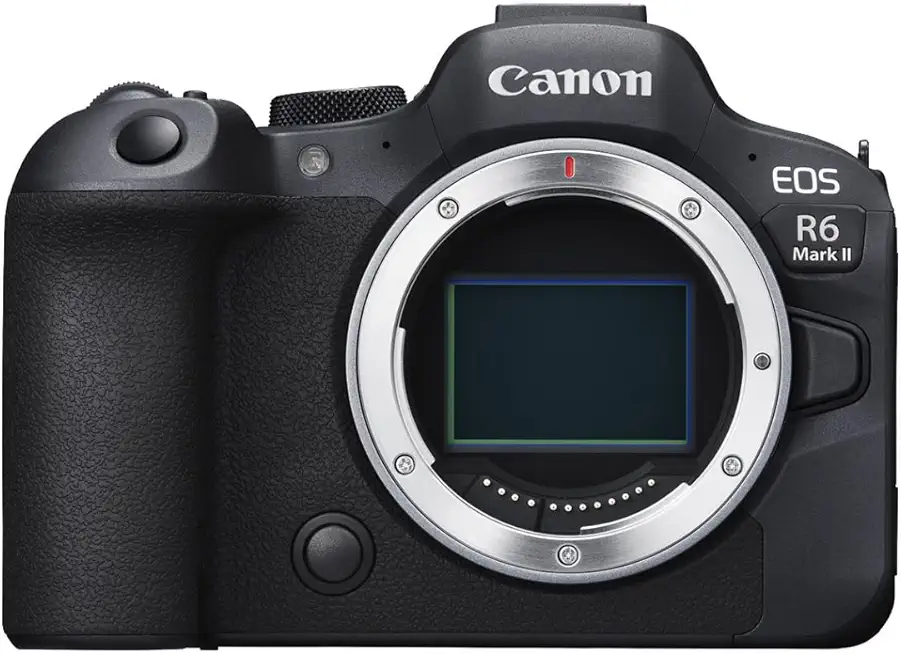
Canon EOS R6 Mark II Mirrorless Camera Body
Versatile full-frame mirrorless with superb low-light performance, fast continuous shooting, and advanced autofocus for hybrid photo-video creators.
Check PriceThe Canon EOS R6 Mark II is a mirrorless body that I often recommend when low-light performance is the priority. It uses a 24.2MP full-frame sensor with improved noise handling, so you get clean files in dim scenes without chasing extreme ISOs.
Where this camera really shines is autofocus. Its subject-tracking AF is strong even in very dark scenes, giving you reliable focus on moving subjects at night — a huge advantage for weddings, events, and street work where moments don’t wait.
Stabilization is another practical win: five-axis IBIS lets you shoot slower handheld without introducing noise from higher ISOs. That means usable handheld night shots and more flexibility with shutter speed when you can’t use a tripod.
For hybrid shooters it’s also hard to beat the video side: uncropped 4K60 with the same dependable AF makes low-light run-and-gun video work much less stressful. If you want one camera that handles both stills and motion in dim conditions, this is a top contender.
There are trade-offs though. The RF lens ecosystem is still smaller than Canon’s long-established DSLR selection, so you may need adapters or wait for native options. Also, the 24.2MP resolution is lower than some rival DSLRs, which matters if you routinely crop heavily or need ultra-high detail for large prints.
- Exceptional AF reliability and tracking in low light
- Five-axis IBIS for stabilization and noise reduction handheld
- Excellent noise performance and image detail in dim scenes
- Uncropped 4K60 video with reliable AF
- Smaller RF lens ecosystem vs DSLR options
- Lower resolution (24MP) than some DSLR rivals
3. Nikon D780 Low-Light Capabilities
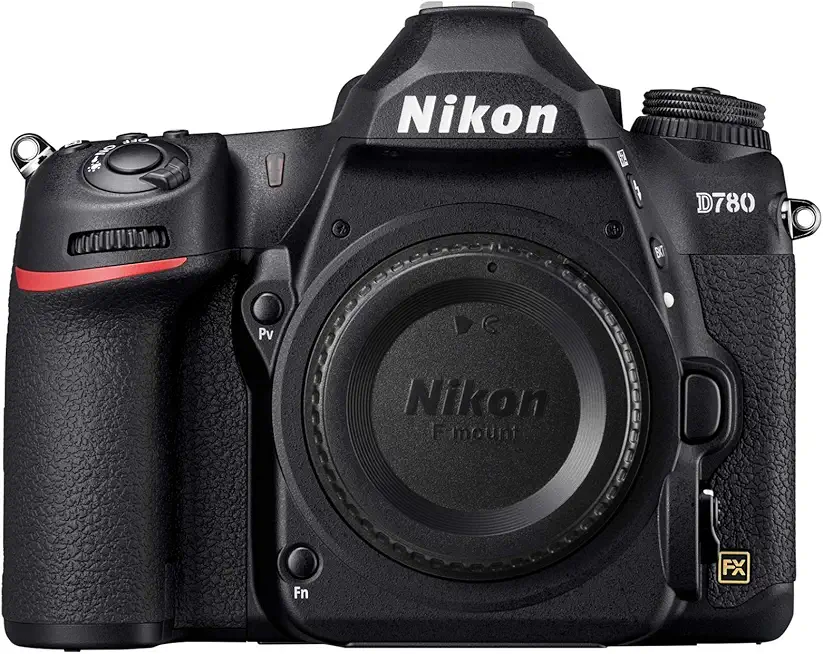
Nikon D780 Body
Hybrid-ready camera blending DSLR reliability with mirrorless-like live view, fast autofocus, and excellent image quality for everyday pros.
Check PriceThe Nikon D780 is one of those bodies that feels like a practical bridge between classic DSLR ergonomics and modern low-light performance. It combines a full-frame sensor with improved Live View AF, giving you better focusing in dim scenes than older DSLRs while still keeping the familiar DSLR handling you might prefer for long event days.
Noise control is a strong suit here — the D780 delivers very good ISO noise control at high settings, which lets you shoot indoor portraits and events under ambient light without overcooking the exposure. That full-frame image quality also keeps shadows and highlights looking natural, so you get usable files straight out of camera in tougher lighting.
Do note it lacks in-body image stabilization, so stabilization must come from lenses or a tripod; this matters if you frequently need slower shutter speeds handheld. The body itself is solid and built for professional handling, though it is heavier and bulkier than many mirrorless alternatives, so factor that into long handheld sessions or travel plans.
In short, if you want a dependable DSLR that performs well in dim environments and offers familiar controls, the D780 is a very good choice — especially for event photographers and indoor portrait shooters who prioritize image quality and reliable AF over the compactness and in-body stabilization of newer mirrorless models.
- Very good ISO noise control at high settings
- Reliable DSLR AF with improved Live View AF compared to older models
- Full-frame image quality suitable for low-light work
- Solid build and professional handling
- No in-body image stabilization (IBIS)
- Heavier and bulkier than mirrorless competitors
4. Pentax K-3 Mark III Low-Light Performance

Pentax K-3 Mark III Body
Rugged weather-sealed APS-C body with high-resolution sensor, stellar stabilization, and dependable performance for outdoor photographers.
Check PriceThe Pentax K-3 Mark III is a surprising performer in low light for an APS-C DSLR. Its high-ISO performance rivals some full-frame cameras, delivering stellar noise control for its class so you can push sensitivity without losing too much detail.
Build quality is a highlight — this camera is rugged and weather-sealed, which makes it a natural choice for outdoor and nature work after dark. That durability, combined with strong image quality and good detail retention in dim scenes, also makes it well-suited to astrophotography and night landscapes.
Where it falls short is autofocus. The AF system isn’t as fast or as reliable in low light as modern mirrorless bodies or some newer DSLRs, so it’s not the best pick for fast-moving subjects at night. The native lens selection is also more limited, with fewer ultra-fast options available for extreme low-light shooting.
In short, if your low-light priorities are image quality, durability, and nightscape or astrophotography capability on an APS-C platform, the K-3 Mark III is a very compelling, mostly positive choice. If you need the quickest, most confident AF in extremely dark, action-packed scenarios, you may find its autofocus and lens ecosystem limiting.
- APS-C high-ISO performance nearly matches some full-frame cameras
- Very robust, weather-sealed construction
- Good image quality and detail retention in low light
- Strong choice for astrophotography and outdoor low-light work
- Autofocus slower and less reliable in low light
- Limited native lens selection and fewer fast lenses
5. Canon EOS 5D Mark III Low-Light Performance

Canon EOS 5D Mark III Body
Professional full-frame workhorse offering reliable build, excellent image quality, and versatile controls for studio and location shooting.
Check PriceAs a working photographer I still reach for the Canon EOS 5D Mark III when I need a dependable full-frame DSLR in dim conditions. Its 22.3MP full-frame sensor was class-leading for its day and delivers usable images well into high ISOs — the body is commonly pushed to ISO 25,600 with respectable results for its generation.
Autofocus is a real strength for low-light work on this model. The 61-point AF system improves focus acquisition in dim scenes and gives you confidence tracking subjects when light is scarce. Handling is straightforward and familiar: the solid, professional body and ergonomics mean long shoots are comfortable and controls fall naturally to hand.
If you buy used, the 5D Mark III offers strong value. Firmware updates over the years improved performance, and on a budget it still outperforms many newer entry bodies in day-to-day low-light reliability. Be realistic about its limits though — there’s no in-body stabilization and video stops at Full HD, so it’s built primarily for stills shooters who value rugged handling and proven AF.
- 61-point AF system — better focus in dim light
- Usable high-ISO performance up to ISO 25,600
- Solid, professional build and ergonomic handling
- Great used-market value; firmware updates improved performance
- Older 22.3MP sensor lags behind newer models
- No IBIS and video limited to Full HD
Choosing Lenses for Low Light
When I pick lenses for low-light work I always start with aperture. A lens that opens to f/1.4, f/1.8 or at least f/2 makes the biggest single difference — it lets you keep ISO down and shutter speeds usable without relying on a tripod. Fast glass also helps your camera’s AF system lock on in dim scenes, which is as valuable as the extra light.
Primes are my go-to when light is scarce. They’re usually sharper wide open and give nicer bokeh, which helps separate subjects in ambient-lit portraits or street scenes. Fast zooms (f/2.8) are great when you need flexibility though, especially for events where you can’t swap lenses between moments.
Choose focal length with the scene in mind. For portraits in low light I reach for medium telephotos around 85–100mm to compress backgrounds and keep a flattering working distance. For nightscapes, astro or environmental street shots I use wide angles—14–24mm or 24–35mm—to capture more sky and context at slower shutter speeds.
Stabilization can save a shot but it’s not a free pass. OIS in lenses lets you handhold longer for static subjects, and when paired with IBIS you can drop shutter speeds even further. Remember stabilization won’t freeze subject motion, so if your subject moves you still need a faster shutter or added light.
Lens quality matters more at wide apertures. Look for optics that are sharp and control aberrations when shot wide open; cheap fast lenses often need stopping down more than you’d expect. If autofocus struggles in extreme dark, switch to manual focus and use live view or a focus assist light for precision.
Finally, balance budget and weight. Fast primes cost and add bulk, but a single f/1.8 or f/1.4 lens will transform your low-light results more than upgrading the body alone. If you’re starting out, invest in one great fast lens that suits your shooting style and build from there.
Essential Accessories for Low Light
A solid tripod is the non-negotiable starting point for low-light work. Pick a sturdy model with a high weight capacity and rock-solid leg locks; cheap carbon or aluminum legs that flex will ruin long exposures. Look for a ball head that locks tight and the ability to drop the center column or remove it for low-angle shots.
Remote triggers and intervalometers are small but transformative. A simple wired release will eliminate shake for single long exposures, while a wireless remote or intervalometer opens up timelapses and stacked exposures without touching the camera. If you prefer minimal kit, many cameras now allow phone control — just test the connection before you rely on it.
External flash and speedlights extend your creative range when ambient light isn’t enough. Learn to bounce or diffuse the light for a softer, more natural look, and use TTL or manual power settings depending on how much control you want. For portraits or fill-light on dim streets, a small modifier and a fresh AA/ELI battery in a speedlight will beat cranking ISO every time.
Never underestimate power and storage. Long nights, tethered shooting, and lots of bracketed exposures eat batteries and cards fast. Bring at least two full batteries plus one spare, and carry multiple high-capacity cards so you don’t have to delete on the go.
Protection and comfort matter when shooting after dark. A weatherproof camera bag, rain cover, and a small microfiber cloth keep gear safe from dew and dust. Pack a headlamp with a red-light option to preserve night vision while you adjust settings and scout compositions.
Finally, think about stability aids: a bag of sand or compact weight for your tripod, a lens hood to cut stray light, and a quick-clean kit for moisture. These small accessories smooth the rough edges of night shoots and let you concentrate on light and composition instead of gear headaches.
What People Ask Most
What is the best DSLR for low light photography?
There is no single best DSLR for everyone; choose a body that is known for clean high-ISO performance and reliable autofocus in dim conditions. Pairing that body with fast lenses and proper stabilization usually yields the best low-light results.
Which DSLR has the best high ISO performance?
High ISO performance varies between models and generations, so consult reviews and real-world tests to compare noise and detail retention. Look for cameras that consistently deliver cleaner images in low-light situations.
Is a full-frame DSLR better for low-light shooting than an APS-C?
Full-frame sensors often provide advantages in noise control and dynamic range, but some APS-C cameras can perform similarly depending on sensor and processing. Consider the whole system, including lenses and shooting style, when deciding.
What settings should I use on a DSLR for low light photography?
Use as wide an aperture as your lens allows and stabilize the camera with IBIS, optical stabilization, or a tripod to permit slower shutter speeds. Use a remote release or timer to avoid shake and add controlled light when needed instead of simply raising sensitivity.
What lenses are best for low-light DSLR photography?
Fast primes and fast zooms with wide maximum apertures are best for gathering light and aiding autofocus in dim scenes. Choose high-quality optics that perform well wide open and consider lenses with stabilization for handheld shooting.
How can I reduce noise in low-light DSLR images?
Use faster lenses and stabilization to allow longer exposures instead of boosting sensitivity, and add controlled light when practical to lower ISO needs. Apply careful noise reduction in post while preserving important detail.
How well does autofocus work on a DSLR in low light?
Autofocus performance depends on the camera and lens combination; some setups focus reliably in dim scenes while others become slower or less certain. Test your gear in conditions similar to your intended shooting and favor fast lenses to improve AF success.
Conclusion for Best DSLR for Low Light
If you’re choosing gear for low-light work, the Nikon D850 remains a standout DSLR while the D780, Pentax K-3 Mark III and Canon 5D Mark III offer capable, situation-dependent alternatives and the Canon R6 Mark II shows how mirrorless features can change the low-light equation.
The true takeaway is that sensor performance, autofocus behavior and handling are only part of the story; pairing the right body with fast optics, reliable stabilization and the right accessories turns capability into consistent results.
Prioritize wide apertures, steady support or in-body/lens stabilization when you need longer exposures, and use controlled lighting when practical to keep noise and blur under control.
If you want to sharpen your low-light technique and gear choices, keep exploring the site for practical guides, comparisons and setup tips that will help you shoot with more confidence.
Have a question about your setup or a recent shoot? Leave a comment below and we usually reply within a few hours.


0 Comments