
Which Leica is actually kinder to someone just starting out — and can it still deliver that famous image quality?
We’ve narrowed five models that balance Leica character with beginner-friendly features: Q2, CL, M11, D-Lux 8, and X2. Whether you photograph streets, travel, or portraits, these five span the spectrum of Leica’s approachability.
This guide breaks each camera into a quick overview, hands-on user experience, clear pros and cons, and the ideal buyer profile. Each entry is written so you can compare them at a glance or read deeper if you want more nuance.
We selected these models based on size, handling, autofocus performance, lens flexibility, and fundamental image quality. Those five factors determine whether a camera feels like an encouraging companion or a steep learning curve.
You’ll get a feel for which Leicas favor effortless, travel-ready shooting and which reward a more deliberate, manual approach. Start with what matters most to you and the rest becomes a fun part of the learning curve.

4-pack batteries + USB charger compatible with Leica BP-DC8 / BP-DC8E (18706) for Mini-M, X Vario, X1, X2, X-U (Typ 113)
1. Leica Q2 at a Glance
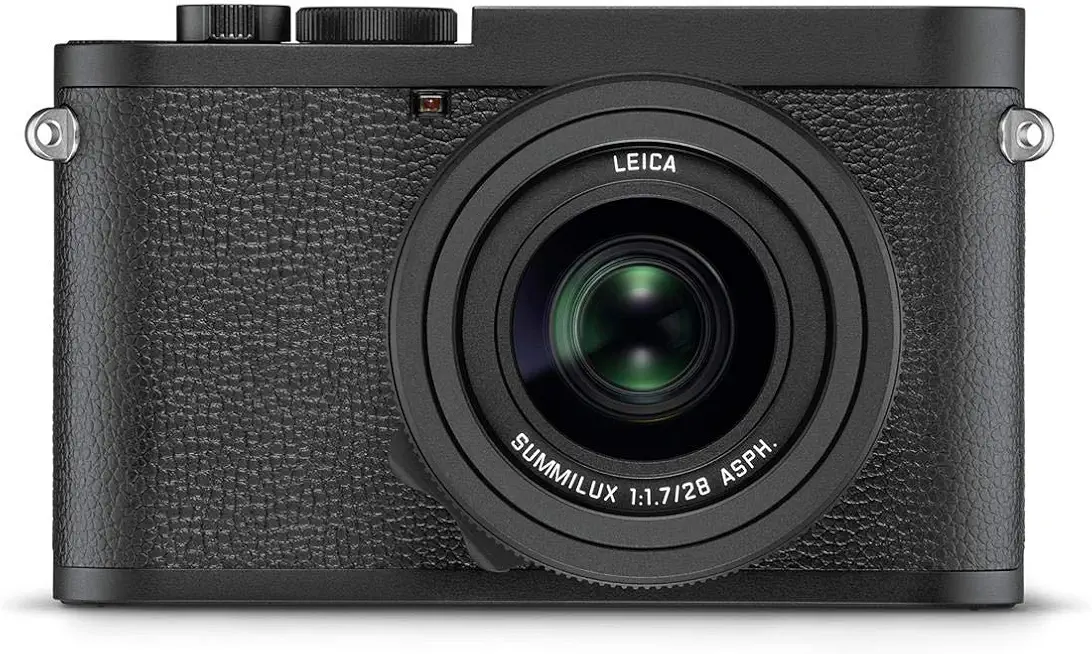
Leica Q2 Monochrom
Full frame black and white camera delivering ultra-sharp images, rich tonality, and fast performance for exceptional photography
Check PriceThe Leica Q2 is a wonderfully simple tool for photographers who prioritize image quality and a no-nonsense shooting experience. It pairs a full-frame 47.3MP sensor with a fixed 28mm f/1.7 lens, giving you razor-sharp files and a beautifully rendered wide-angle field of view.
In practice the Q2 delivers excellent color, punchy JPEGs, and that classic Leica look — great bokeh and edge-to-edge sharpness that make prints sing. The high resolution also lets you crop tightly without losing detail, which is handy when you want flexibility but don’t want to carry extra glass.
Autofocus is fast and reliable, and the corner-mounted electronic viewfinder makes composition comfortable for photographers used to rangefinder-style framing. The body is compact and travel-friendly, with solid, weather-sealed construction and reasonable battery life, so it handles day-long street shoots and travel work without fuss.
The fixed wide-angle encourages a creative approach to framing and storytelling, but it does mean you’ll adapt your shooting style rather than zoom in on distant subjects. If you want a distraction-free system that forces you to think about composition while delivering stellar image quality, the Q2 is one of the best beginner-friendly Leicas.
It’s an investment — the premium build and brand carry a price, but for many beginners who value simplicity, durability, and outstanding files, it’s a camera that will teach you to see while rewarding you with beautiful results.
- Outstanding image quality (47.3MP full-frame)
- Compact, travel-friendly body
- Fast, accurate autofocus and strong EVF
- Solid, weather-sealed construction
- Fixed 28mm lens limits focal-range flexibility
- Premium build/branding affects cost-benefit for some beginners
2. Leica CL at a Glance

Tempered glass screen protector for Leica CL (2-pack)
Two tempered glass protectors precisely cut for compact touchscreen; anti-scratch, oleophobic coating, high clarity and bubble-free installation
Check PriceThe Leica CL is a beautifully compact APS-C mirrorless body that feels made for travel and street work. Its small, lightweight design makes it easy to carry all day without turning photography into a workout.
What really sells the CL is its compatibility with Leica M‑mount lenses. That gives you access to excellent optics and the classic M look while keeping a modern, approachable body. For beginners who want to learn with great glass but don’t want a bulky rangefinder, it’s a smart compromise.
Image quality from the APS-C sensor is impressive for the size. Colors, detail, and JPEG processing are strong straight out of camera, so you can get beautiful results quickly on trips or when shooting on the go.
Autofocus and operational speed are decent but not cutting-edge, so if you need lightning-fast tracking for sports you might notice limits. The camera also lacks some newer conveniences such as in-body stabilization, so handheld low-light work benefits from steady technique or faster lenses.
Practically speaking, the CL works very well as a digital travel companion and even as a metering aid alongside film M bodies. If you value classic Leica lens character, portability, and solid APS-C output, the CL is one of the most approachable entries into the Leica ecosystem.
- Compact and lightweight for travel/street
- Compatible with many Leica M lenses
- Excellent APS-C image quality for its size
- Easy to carry without sacrificing lens quality
- Autofocus and speed lag newer mirrorless
- No in-body stabilization
3. Leica M11 at a Glance

Leica M11 digital rangefinder camera
High-resolution digital rangefinder offering exquisite image quality, intuitive manual controls, and timeless build for discerning photographers
Check PriceThe Leica M11 is a full-frame digital rangefinder that blends classic handling with modern features. It offers a customizable resolution from 60MP down to 18MP and an electronic shutter that reaches 1/16,000 sec, giving you flexibility for both detail and file-size management.
Image quality is exceptional, and the flexible resolution options let you choose high detail for prints or smaller files for travel. The camera rewards careful composition—manual rangefinder focusing encourages a slow, thoughtful approach to making images.
Leica added practical modern touches to improve usability: a touchscreen, customizable buttons, and multi-field metering make operation smoother than older rangefinders. Live View stabilization further helps when you need precise focusing or when using the viewfinder is impractical.
The body is heavy and robust, built to last and to feel precise in hand, which suits photographers who enjoy deliberate shooting. That weight and the manual-focus workflow do create a steeper learning curve for absolute beginners, though the result is a camera that teaches you to see and shoot more intentionally.
If you’re a beginner willing to invest time learning rangefinder technique and manual focus, the M11 is an excellent tool—offering top-tier image quality, tactile controls, and a craftsmanship-first experience. If you prefer automatic AF or ultra-light travel gear, this may not be the ideal first camera.
- Flexible sensor resolution (60MP–18MP)
- Electronic shutter up to 1/16,000 sec
- Touchscreen and customizable controls
- Multi-field metering + Live View stabilization
- Steep learning curve for manual focusing
- Heavy, robust body can tire handheld use
4. Leica D-Lux 8 at a Glance

Automatic lens cap for Leica D-LUX 8 (Typ 109), D-LUX 7, Panasonic Lumix LX100 II (DC-LX100M2)/DMC-LX100
Motorized optical protector retracts on power-up, safeguarding the glass from dust and scratches while enabling instant shooting readiness
Check PriceThe Leica D‑Lux 8 is a pocketable, fixed‑lens compact that feels like a proper Leica in a small package. Its sharp zoom gives you wide‑to‑moderate‑tele versatility, so you can cover everyday scenes without swapping lenses or lugging a kit.
Handling is deliberately simple: minimal controls and a fixed screen keep the camera approachable for true beginners who want to focus on composition and light rather than menus. That pared‑down approach also makes it a reliable grab‑and‑go camera for travel and daily snapshots.
Autofocus on the D‑Lux 8 is decent for casual use, but don’t expect the speed or sophistication of newer mirrorless AF systems—it’s best for relaxed shooting rather than fast action. Video is functional, yet limited in features compared with more modern hybrid cameras, so stick to stills if you want the camera to shine.
The image character leans toward a muted Leica look compared with higher‑end models, which many beginners will appreciate for its classic tones and manageable files. The Four Thirds‑sized design prioritizes compactness and zoom flexibility, making the D‑Lux 8 a practical step into Leica ownership without overwhelming complexity.
In short: if you want a true point‑and‑shoot Leica that lives in your pocket and delivers excellent lens quality with simple operation, this is a great match. If you need blistering AF, advanced video tools, or a tilting touchscreen for awkward framing, consider those limitations before buying.
- Compact, everyday-carry size
- Sharp zoom lens; wide-to-moderate-tele versatility
- Simplified controls—easy for beginners
- Good Leica lens quality in a point-and-shoot format
- Autofocus can be slower in challenging light
- Fixed screen limits framing flexibility
5. Leica X2 at a Glance
4-pack batteries + USB charger compatible with Leica BP-DC8 / BP-DC8E (18706) for Mini-M, X Vario, X1, X2, X-U (Typ 113)
Quad rechargeable batteries with USB charger provide reliable spare power, fast charging, and compact portability for extended shooting sessions
Check PriceThe Leica X2 is a fully electronic APS-C camera with a fixed 24mm f/2.8 lens and straightforward ergonomics, delivering that unmistakable Leica optical quality in a simple digital body. Its compact, lightweight construction makes it easy to carry all day without fatigue.
Image quality is a real strength: the APS-C sensor combined with Leica optics produces clean files with good dynamic range. You get strong RAW flexibility, which is ideal if you like to shape tones and recover highlights and shadows in post.
That fixed 24mm field of view is particularly well suited to street and documentary work — it encourages you to move and frame deliberately, which is great training for beginners. The fixed lens also improves consistency in rendering and handling, so you’re less distracted by gear choices and more focused on composition.
Be aware the camera tends toward more muted tonal output straight from the camera, so many users will rely on RAW processing to bring back the classic Leica look. If you enjoy editing or want full control over color and contrast, that RAW versatility is an advantage.
So who is the X2 for? It’s an excellent choice if you want an uncomplicated, tactile Leica experience and prioritize image quality, portability, and a natural wide-angle perspective. If you need zoom flexibility or heavily stylized JPEGs out of camera, plan to either commit to post-processing or consider a different tool.
- Excellent APS-C image quality and Leica optics
- Compact, lightweight design for everyday use
- Simple controls and ergonomics suited to beginners
- Strong RAW versatility
- Fixed focal length limits framing options
- Muted out-of-camera tones may need post-processing
Which Leica Series Suits Your Style

Choosing a Leica comes down to one simple question: how do you like to work? Your shooting style—fast street snaps, slow portraiture, run-and-gun travel, or studio setups—will quickly point you toward a family of cameras that matches your instincts and patience.
If you want speed, simplicity, and travel-readiness, the Q line is hard to beat. Its full‑frame, fixed‑lens design and reliable autofocus let you concentrate on moments instead of settings, so you shoot more and worry less about gear.
The M series is for photographers who enjoy a deliberate pace. Manual rangefinder focusing teaches composition and timing in a way autofocus never will. If you love portraits, documentary work, or savoring each frame, an M will reward the investment in technique.
For photographers leaning toward hybrid work—high resolution stills, fast AF and serious video—the SL series offers professional versatility. It can be overkill for a casual beginner, but it’s ideal if you want one system that grows with demanding projects.
The TL and CL models strike a middle ground: modern, compact mirrorless bodies with interchangeable lenses. They’re great if you value portability without giving up the creative options that come from swapping glass.
R series cameras, mostly in the film/SLR realm, excel in studio and portrait settings where lens quality and controlled light matter most. They’re less convenient for day-to-day carry, but they shine when image-making is deliberate and planned.
Practical choice comes down to trade-offs: full‑frame bodies favor image quality, APS‑C and compacts favor size and ease. Autofocus speeds make street shooting forgiving, while manual systems hone your craft. Think about which compromise you’re willing to live with.
If you can, handle the cameras in person or rent the one you’re considering. Start with the system that lets you make pictures joyfully, then evolve into more specialized Leica tools as your vision and skills grow.
Choosing Leica by Beginner Priorities
When choosing a Leica as a beginner, start by being honest about what you carry and shoot most. If you want something pocketable for travel and street work, a compact like the Q series or a D‑Lux/X‑type body will keep you snapping without fuss. If you crave the look and feel of classic Leica optics but want modern convenience, the CL offers a tidy compromise with interchangeable M‑mount flexibility.
Handling matters more than megapixels. A camera that feels right in your hands and whose controls you can reach without thinking will make you shoot far more. Autofocus models such as the Q2 ease the learning curve and let you focus on composition, while an M‑series rangefinder demands patience and rewards it with a deliberate approach to images.
Think about focal flexibility next. Fixed‑lens Leicas force creative framing and simplify gear choices; they’re brilliant teachers for learning to move with your subject. Interchangeable systems let you grow a kit and experiment with focal lengths, but they also invite indecision and extra weight.
Budget and future plans should guide your sensor choice. Full‑frame bodies give superior dynamic range and low‑light performance—great if you plan to print or crop—but higher resolution files are heavier to process. Smaller sensors and compact zooms are kinder to your wallet and pocket, and they keep workflow simple for beginners.
Finally, get hands‑on before buying. Rent or test the body you’re eyeing and shoot for an afternoon. The best beginner Leica is the one you’ll actually use: one that matches your rhythm, keeps your learning curve gentle, and makes you want to go out and photograph more.
What People Ask Most
What is the best Leica camera for beginners?
There is no single best Leica for all beginners; the right choice depends on your priorities such as simplicity, portability, and learning goals. Choose a compact autofocus model for point-and-shoot ease or a manual-rangefinder style if you want to learn traditional shooting techniques.
Are Leica cameras good for beginners?
Yes, many Leica models are well suited to beginners and deliver excellent image quality and solid build. Some models have a steeper learning curve or a more minimalist feature set, so match the camera to your comfort with manual controls and workflow.
Which Leica model is easiest to learn on?
Compact autofocus models and simple fixed-lens cameras are generally the easiest to learn on because they handle many settings automatically and keep controls straightforward. These models let you focus on composition and exposure without managing complex manual systems.
Is a Leica rangefinder suitable for beginner photographers?
A rangefinder can be suitable if you are willing to learn manual focusing and a deliberate shooting approach. It offers a rewarding experience but may feel challenging at first compared with autofocus models.
Which Leica is best for beginner street photography?
For street photography, compact, discreet cameras with a natural wide-angle field of view tend to work well. Look for a lightweight option that encourages quick, unobtrusive shooting and comfortable handling.
What are the differences between the Leica D-Lux, CL, and M for beginners?
The D-Lux is a pocketable point-and-shoot with a zoom and simplified controls, while the CL is a compact interchangeable system balancing modern features and lens flexibility. The M is a traditional rangefinder that emphasizes manual focus and craftsmanship, requiring more learning but offering a distinctive shooting experience.
How do I choose my first Leica as a beginner?
Decide what matters most to you: size and portability, autofocus convenience, lens flexibility, or learning manual techniques. Whenever possible, handle cameras in person and pick the one that feels comfortable and motivates you to shoot more.
Conclusion for Best Leica Camera for Beginners
From pocketable compacts to full‑frame autofocus compacts and traditional rangefinders, this guide summarises beginner‑friendly Leica options and what each type contributes to your photography journey.
The most important takeaway is to match your priorities—portability versus image quality, autofocus convenience versus manual control, and fixed‑lens simplicity versus interchangeable flexibility—so the camera supports how you want to learn and shoot.
Whenever you can, handle candidates in person to judge size, menus and ergonomics, and decide whether you prefer a faster, more automated workflow or a slower, more deliberate learning experience.
To keep improving, explore more articles on the site for hands‑on tips, comparisons and technique advice tailored to beginners looking to grow their skills.
Have a question or want to share your first Leica experience? Leave a comment below and we usually reply within a few hours.


0 Comments