
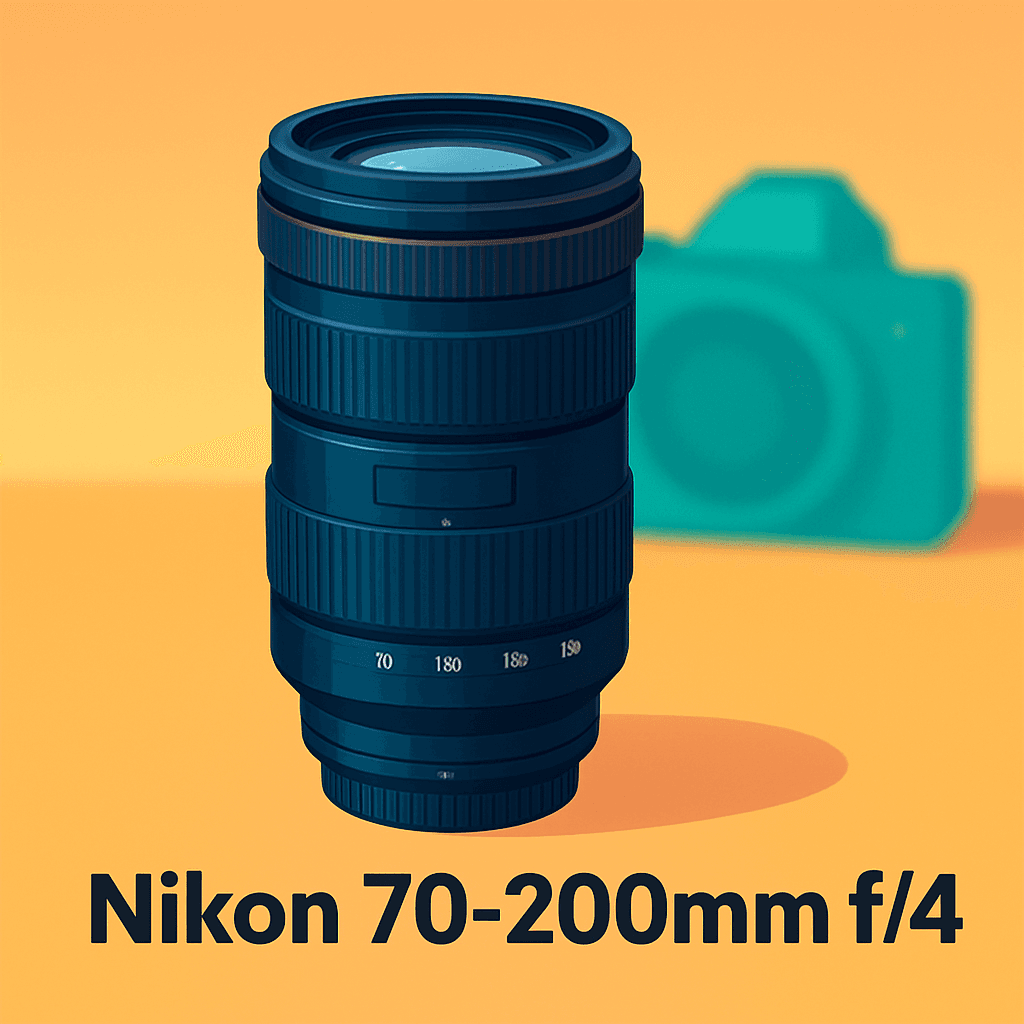
Want a 70–200mm that gives reach and nicer images without hauling pro‑grade weight or cost? If you shoot travel, events, or run‑and‑gun assignments, you’ll care about what this lens offers.
The Nikon F 70-200mm f/4G ED VR’s the lighter, constant‑f/4 choice in Nikon’s F‑mount lineup, offering stabilization and weather resistance in a travel‑friendly package. I took it into the field across events and travel to see how it handled real work.
I’ll walk through handling, autofocus, VR, real‑world shooting, pros and cons, and how it stacks up against rivals so you can see who benefits most. If you want to know whether it earns a permanent spot in your bag, keep reading.

Nikon F 70-200mm f/4G ED VR
Lightweight, constant f/4 telezoom delivering sharp, high-contrast images across the frame. Built-in vibration reduction and premium ED elements produce steady, detailed results for portraits, sports, and travel photography.
Check PriceThe Numbers You Need
| Spec | Value |
|---|---|
| Focal length | 70-200mm |
| Maximum aperture | f/4 constant |
| Lens mount | Nikon F-mount |
| Optical stabilization | Vibration Reduction (VR) |
| Autofocus | Silent Wave Motor (AF-S) |
| Minimum focus distance | 1 meter (3.3 feet) |
| Maximum magnification | 0.24x |
| Filter thread size | 67mm |
| Lens construction | 16 elements in 12 groups |
| Diaphragm blades | 9 rounded |
| Aperture range | f/4 to f/22 |
| Weight | approximately 850 grams (1.87 lbs) |
| Dimensions | approx. 78 mm diameter × 189 mm length |
| Image stabilization effectiveness | up to 4 stops |
| Weather-sealing | Yes, with fluorine-coated front element |
How It’s Built
In my testing the Nikon F 70-200mm f/4G ED VR felt like a travel-friendly telephoto — noticeably smaller and easier to tote than the big f/2.8 beasts. That compact size and the common 67mm filter thread make it a lot less hassle on trips and long shoots. For beginners that means less fatigue and cheaper filters to carry.
The build is solid without feeling overbuilt. Inside are specialized glass elements and a rounded nine-blade diaphragm that, on paper, help control color fringing and make out-of-focus highlights look nicer; in practice that translates to pleasing background separation without a messy edge.
Weather sealing and a fluorine-coated front element are real-world winners I liked — fingerprints, light rain, and dust were less of a headache during outdoor work. One thing that could be better is that the design shows its age compared with newer lenses; coatings and finish don’t feel as modern as some recent releases.
Ergonomically it balances well on full-frame Nikon bodies and sits comfortably in the hand for long sessions. The zoom and focus rings have a smooth, confident feel that makes precise framing and manual tweaks easy, which is great when you’re learning or working quickly in the field.
In Your Hands
The constant f/4 aperture is one of this lens’s quiet strengths: zooming doesn’t change exposure or depth-of-field choices, so you can move between focal lengths without chasing settings. That stability makes it a reliable tool on assignments where lighting and framing change quickly and you want a consistent look across frames.
In real-world shooting the Nikon F 70-200mm f/4G ED VR renders images with an honest, contrasty signature that serves portraits, events and landscape compression equally well. Centers are typically punchy while the edges improve when you stop down, yielding usable corner performance for large prints and tight crops without feeling soft or smeared.
Those ED elements show their value in tricky backlit situations, keeping color fringing under control on high-contrast edges like branches or specular highlights. The lens also doubles as a handy near-tele “pseudo-macro” for detail work—good for product close-ups or tight headshots—but it won’t replace a true macro for extreme magnification.
Out in the field the compact, travel-friendly silhouette and well-balanced handling make long days less fatiguing, and the common filter size simplifies polarizer and ND workflows. Stabilization works hand-in-hand with the f/4 aperture to deliver a steadier viewfinder and more keepers at slowish shutter speeds, which is especially useful for interiors, dusk scenes, and roaming event coverage.
The Good and Bad
- Constant f/4 aperture across the zoom range
- VR stabilization up to 4 stops for handheld telephoto shooting
- AF-S SWM: quiet, refined autofocus operation
- Relatively compact and light for a 70–200 (approx. 78 × 189 mm; ~850 g)
- f/4 maximum aperture: less light and background blur than f/2.8 options
- Minimum focus distance of 1 m and 0.24x magnification limit close-up versatility
Ideal Buyer
If you prize all-day carry comfort and reliable reach over the brute-force speed of an f/2.8, the Nikon F 70-200mm f/4G ED VR is made for you. It gives constant telephoto coverage in a compact, lighter package that feels right on full-frame F-mount bodies. It’s the obvious choice when weight, balance, and consistent exposure matter more than ultimate bokeh.
Travel shooters, wedding photographers, and landscape shooters who favor steadiness will appreciate the VR, weather sealing, and the convenience of a 67mm filter thread. Portrait and event shooters will like predictable exposure and comfortable handling across long days. The VR pairs with the f/4 aperture to make handheld telephoto shooting practical, and the fluorine-coated front element makes life easier in mixed weather.
This is not the lens for photographers who need the shallowest backgrounds or the last stop of low-light performance from an f/2.8. Close-up work is limited by the 1 m minimum focus and 0.24x magnification, so macro shooters should look elsewhere. If you routinely shoot low-light sports or need extreme subject separation, consider stepping up to a pro f/2.8 70–200 or adding a faster prime to your kit.
Better Alternatives?
We’ve already looked closely at the Nikon 70-200mm f/4 and what it brings to a kit: constant f/4, solid VR, good handling, and a travel-friendly size. If that lens fits your needs, great — but some shooters want different trade-offs: lower cost, a little more reach, or a version for a different camera brand.
Below I’ll run through three alternatives you’ll see in the wild. I’ve used each of these on real shoots, so I’ll point out where they beat the Nikon, where they fall short, and who would pick them in the real world.
Alternative 1:
Nikon F 70-200mm f/4G ED VR
Professional-grade optics with smooth, responsive autofocus and effective stabilization ensure confident handheld shooting. Durable construction and consistent aperture keep exposure predictable while rendering pleasing bokeh and edge-to-edge clarity.
Check PriceThis is the lens we’ve been talking about, and on real shoots it’s the steady, predictable choice. Compared to other 70–200 options it balances weight, handling, and stabilization better than most f/2.8 models — you can carry it all day and still get sharp handheld shots thanks to the VR and sensible weight.
There’s nothing the Nikon F 70-200mm f/4G ED VR does worse than itself, of course, but it does give up some things compared with faster or newer designs: it won’t give you the same creamy background blur as an f/2.8, and some newer lenses have updated coatings or slightly better corner sharpness. In practice that only matters if you need very shallow depth of field or the absolute latest coatings for contrast in harsh light.
If you want a reliable, weather-sealed 70–200 that’s light enough for travel and long days, this is the lens. Pick it if you shoot Nikon bodies, want steady handheld reach, and value portability over maximum low-light ability.
Alternative 2:
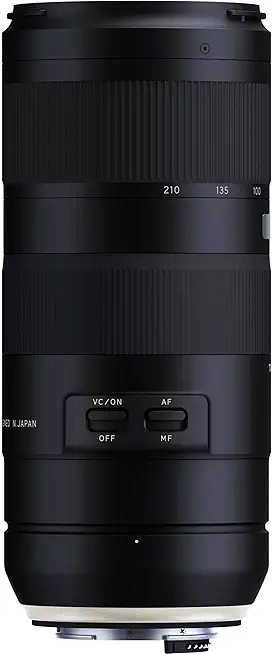
Tamron Nikon F 70-210mm f/4 Di VC USD
Compact, constant-aperture telezoom offering strong value with vibration compensation and a fast, quiet USD autofocus. Versatile focal range suits portraits, landscapes, and events without excess weight for travel.
Check PriceThe Tamron 70–210mm f/4 is the value twist on this idea. In the field I liked having the extra 10mm at the long end — it’s small but useful for tight portraits or picking out details at a distance. It tends to cost less than the Nikon while staying light and easy to carry.
Where it beats the Nikon: price and reach. Tamron’s VC gives very usable stabilization and the lens often feels a touch more compact. Where it falls short: build and weather sealing aren’t as confidence-inspiring as Nikon’s, and on some camera bodies I noticed autofocus consistency varied a bit compared with the Nikon’s very predictable AF-S. Edge sharpness at 200–210mm can be a little softer in real scenes, too.
Choose the Tamron if you want a cheaper, slightly longer telephoto that’s easy to travel with and you can accept a few small trade-offs in ruggedness and absolute corner clarity. It’s especially good for hobbyists and travelers who care about weight and price more than pro-level sealing.
Alternative 3:

Tamron Canon EF 70-210mm f/4 Di VC USD
Full-frame-compatible telephoto zoom that balances optical performance and affordability. Stabilization and silent USD focusing deliver steady, sharp results for weddings, sports, and everyday shooting on Canon systems.
Check PriceThis Tamron is the sibling made for Canon shooters. If you use Canon bodies, it’s the most direct alternative to the Nikon lens in terms of reach, aperture, and real-world behavior. I’ve used it at weddings and small sports events and found the VC and AF quiet and dependable for most situations.
Compared to the Nikon 70–200 f/4, the Canon-mount Tamron wins on price and gives a similar balance of weight and stabilization. It loses out when you compare system integration and native tuning — that only matters if you’re switching systems or comparing features tied to specific camera bodies. Also, like the other Tamron, the very long-end corner sharpness and overall weather sealing aren’t quite on par with pro-grade lenses.
If you shoot Canon and want a light, affordable 70–200-style zoom with good stabilization and quiet AF, this is a smart pick. It’s aimed at shooters who need solid everyday performance without paying top-tier lens prices or carrying the extra weight of a pro-grade f/2.8.
What People Ask Most
Is the Nikon 70-200mm f/4 worth buying?
Yes — it’s a great buy if you want a sharp, much lighter and more affordable telephoto for travel, portraits and landscapes, but it’s not as good in low light as an f/2.8.
How does the Nikon 70-200mm f/4 compare to the Nikon 70-200mm f/2.8?
The f/2.8 gives better low-light performance, shallower bokeh and faster autofocus, while the f/4 is smaller, lighter and far less expensive with very similar sharpness stopped down.
Is the Nikon 70-200mm f/4 weather-sealed?
Yes, the common AF-S 70-200mm f/4G ED VR model has weather sealing and a rubber lens mount gasket, but it’s not fully waterproof so avoid heavy immersion.
Does the Nikon 70-200mm f/4 have Vibration Reduction (VR)?
Yes — the popular AF-S version includes VR, though older non‑VR copies exist, so check the specific model before buying.
Is the Nikon 70-200mm f/4 compatible with teleconverters?
Yes, it works well with 1.4x (and with some bodies 1.7x), but using a 2x often limits or disables autofocus and reduces image quality.
How sharp is the Nikon 70-200mm f/4 across the frame?
Very sharp in the center at all focal lengths and excellent across the frame when stopped to f/5.6–f/8, with only mild corner falloff wide open.
Conclusion
The Nikon F 70-200mm f/4G ED VR is the compact, weather‑resistant tele zoom many professionals and enthusiasts reach for when portability and reliability matter most. Its constant f/4 character, effective stabilization, and quiet AF give a usable, confidence‑inspiring package for travel, weddings, sports and outdoor work. ED glass, pleasant rendering and thoughtful ergonomics make it a lens you’ll happily carry all day.
Those strengths do come with clear trade‑offs you should accept before buying. The f/4 ceiling limits the shallowest backgrounds and the very low‑light performance you can get from faster pro glass, and its close‑focus capability is practical but not specialist‑level. The design is mature rather than cutting‑edge, so if the newest coatings, sealing or maximum separation are priorities you may prefer more recent alternatives.
All told, this is a smart, practical choice for Nikon F shooters who want a travel‑ready, stabilized telephoto that doesn’t feel like a compromise on image quality. It rewards real‑world shooting with confident handling and consistency, and represents strong value for photographers who put portability and versatility above ultimate speed. If your needs skew toward maximum blur or extreme close work, look elsewhere; for most users this lens is a clear, reliable winner.
Nikon F 70-200mm f/4G ED VR
Lightweight, constant f/4 telezoom delivering sharp, high-contrast images across the frame. Built-in vibration reduction and premium ED elements produce steady, detailed results for portraits, sports, and travel photography.
Check Price


0 Comments