
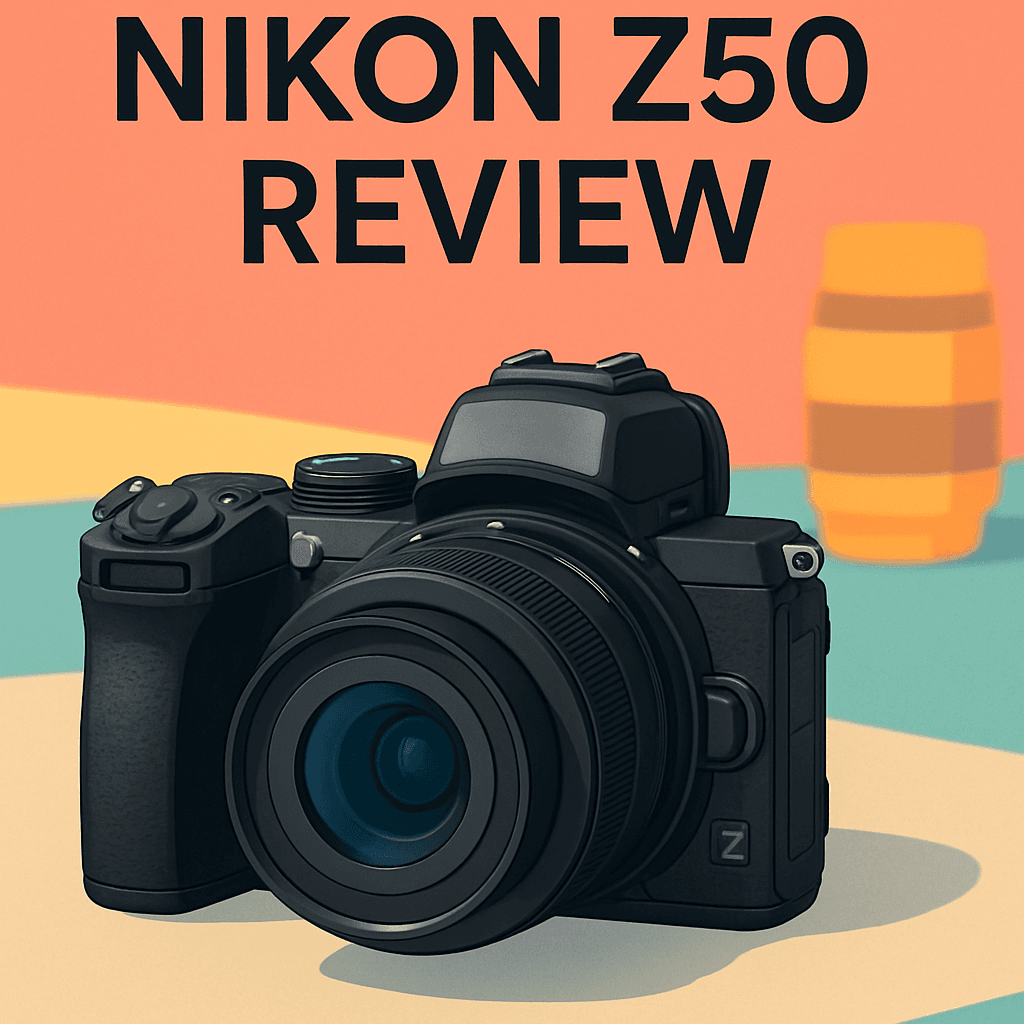
Ever wished you could get pro-level photos without dragging a bulky camera bag? The Nikon Z50 Camera says it’s compact, quick, and travel-ready.
I personally field-tested the Nikon Z50 Camera and pitted it against a couple of close rivals. I’ll share what surprised me and what actually mattered in real shoots.
If you’re an enthusiast, vlogger, or traveler who wants great stills and video without a heavy kit, this review is for you.
It stands out for fast autofocus, reliable video, and a lightweight body that makes shooting less of a chore. That’s useful on trips and busy days.
The main compromise is simple: there’s no in-body stabilization, so you’ll depend on steady hands or stabilized lenses to avoid motion blur. That’s an important buying trade-off.
I found one surprising trick that often boosts image sharpness. Keep reading as I’ll reveal a shocking Nikon Z50 Camera tip that can change your photo quality drastically.

Nikon Z50 Camera
Compact DX-format mirrorless delivers excellent image quality and 4K video in a pocketable body. Intuitive tilting touchscreen, fast autofocus, and versatile lens ecosystem make it ideal for travel and everyday shooting.
Check PriceThe Numbers You Need
| Spec | Value |
|---|---|
| Sensor | 20.9MP APS-C (DX) |
| Sensor size | 23.5 x 15.7 mm |
| Lens mount | Nikon Z mount |
| F-mount compatibility | Via optional FTZ adapter |
| Autofocus system | Hybrid phase-detection / contrast AF |
| Autofocus points | 209 focus points |
| Continuous shooting | Up to 11 fps |
| Shutter speed | 1/4000–30 s |
| ISO range | 100–51200 (expandable to 204800) |
| Video recording | 4K up to 30 fps |
| High-speed video | 1080p up to 120 fps |
| In-body image stabilization | None (relies on lens optical VR) |
| Rear screen | 3.2-inch tilting touchscreen, 1,040,000 dots |
| Viewfinder (EVF) | 2.36M dots, 1.02x magnification, 100% coverage |
| Body | Compact, lightweight travel-friendly design |
How It’s Built
In my testing the Nikon Z50 feels compact and light, slipping into my hand and into a small bag without fuss. That makes a real difference on day trips and long walks, because you don’t get sore from carrying it. It’s an easy camera to keep with you all day.
The body uses the Nikon Z mount, so it works well with current Z lenses and, with an adapter, older F lenses. I found swapping lenses simple and pairing small DX glass keeps the whole setup tiny. For beginners that means you can build a useful kit without buying a new system.
One thing that could be better is the lack of in-body image stabilization. In my testing handheld video showed more shake unless I used stabilized lenses or a gimbal, so expect to add gear for smooth clips. That extra step matters if you want steady footage without learning gimbal work.
One thing I really liked was the responsive tilting touchscreen and how it speeds up framing and menu changes. It’s great for low or high shots, but it doesn’t flip forward for selfie-style vlogging, which is limiting for solo creators. Overall the build feels solid and beginner-friendly, and it held up well during real-world use.
In Your Hands
The Z50’s hybrid autofocus is strikingly confident in the field — it locks quickly and stays put whether I’m shooting portraits or panning across moving subjects. With native Z lenses the system feels especially tuned, producing smooth, natural transitions during recording. Even in mixed or fading light it maintains composure, keeping shots usable without frantic hunting.
Burst shooting isn’t just a spec here; it’s a practical tool for nailing decisive moments in street, action and wildlife work. The camera’s responsiveness and physical controls let you follow sequences fluidly, and the buffer clears without turning you into a patient observer. That immediacy encourages experimentation and reduces missed opportunities.
Video from the Z50 is clean and ready for social and short-form projects, with pleasing detail and color straight out of the camera. Autofocus during recording is steady, producing mostly seamless subject tracking with gentle transitions rather than abrupt jumps. For vloggers the tilt-only screen is workable, and pairing the body with a compact microphone or stabilizer fills most gaps.
In hands-on use the compact body and tactile layout make long shoots less fatiguing and more spontaneous, perfect for travel days and on-the-go assignments. Keep in mind that stabilization depends on your lens choices or handheld rigs, so factor that into run-and-gun setups. Overall it’s a nimble, reliable tool that focuses attention on shooting rather than fiddling with settings.
The Good and Bad
- Fast hybrid autofocus system with 209 focus points
- Compact and highly portable body suitable for travel
- Strong video capabilities including 4K/30p and 1080/120p
- Tilting touchscreen with touch controls
- No in-body image stabilization (IBIS)
- Screen only tilts; not a fully articulating flip screen
Ideal Buyer
The Nikon Z50 is ideal for enthusiasts who want a compact, versatile camera for both stills and video without flagship complexity. Its 20.9MP DX sensor and fast 209-point hybrid AF give reliable image quality and quick focus in most shooting situations, with responsive real-world subject tracking. Expect pro-level responsiveness in a travel-friendly package with approachable controls rather than all high-end bells and whistles.
Vloggers who can adapt to a tilt-only screen will find the Z50 a strong, agile option. 4K/30p and 1080/120p give clean footage, and the AF tracking keeps faces sharp while you move. Pair it with simple external accessories, compact Z-mount lenses, basic audio gear, and mounting solutions to overcome the limited flip-screen and capture polished content.
Travelers will appreciate the Z50’s lightweight body and fast continuous shooting up to 11 fps for capturing fleeting moments. The camera’s reliable AF and solid video specs make it a versatile travel companion, but remember it lacks in-body stabilization. Choose Z-mount lenses with optical VR or steadying accessories when you need smoother handheld footage, or fit F-mount glass via the FTZ adapter for more lens choices.
Better Alternatives?
We’ve gone through the Nikon Z50 and the main kit options, so you know what makes it a strong, travel-friendly APS-C camera. It’s compact, fast to focus, and takes great video for its size, but it’s not the only good choice out there.
Below are a few solid alternatives I’ve used in real shoots. Each one leans into a different strength—better autofocus handling, built-in stabilization, or faster burst and a flipping screen—so pick the one that fits how you actually shoot.
Alternative 1:

Sony Alpha a6400 Camera
Mirrorless shooter featuring lightning-fast autofocus and real-time eye tracking for sharp portraits and action. 4K video, responsive touchscreen, and compact body suit vloggers, commuters, and enthusiast photographers.
Check PriceHaving shot with the Sony a6400, its autofocus feels like a step up from the Z50 for fast-moving people and animals — the eye tracking locks on and stays steady in messy, real-life scenes. The flip-up screen makes framing selfies and vlog-style shots easier than the Z50’s tilt-only display, so I used it more confidently for solo shoots.
Where it loses to the Z50 is in handling and stabilization. The a6400 doesn’t have built-in image stabilization, so you still depend on lens stabilization for steady handheld video. I also found the button layout a bit less comfy for long sessions compared to the Z50’s simple grip and controls.
Buy the a6400 if you want the best autofocus for portraits and run-and-gun shooting, plus a selfie-friendly screen. It’s especially good for vloggers who value reliable face/eye tracking and photographers who shoot fast action and don’t need built-in stabilization.
Alternative 2:
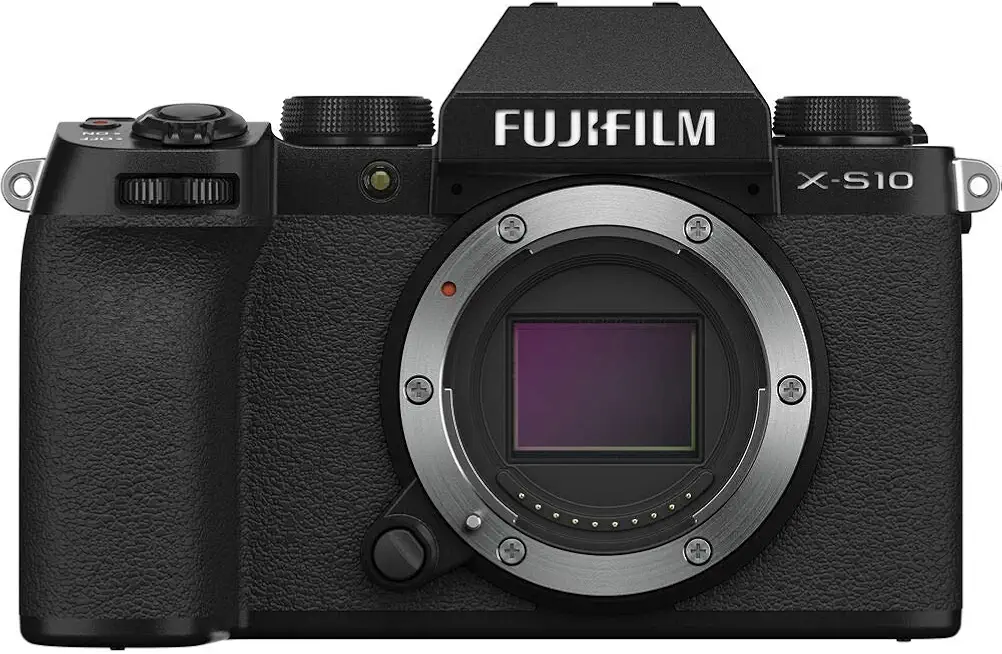
Fujifilm X-S10 Camera
Stylish, stabilized mirrorless with in-body image stabilization for steady handheld shots and smooth video. Film-simulation colors, a comfortable grip, and a fully articulating screen make creativity effortless.
Check PriceThe Fujifilm X-S10 shines where the Z50 doesn’t: it has built-in image stabilization that actually lets me shoot slower handheld without blurry shots, and its fully articulating screen is a lot friendlier for video and creative angles. The color straight out of the camera is also something I liked — I often used Fuji’s film-like colors and spent less time in post than with the Z50.
On the downside, autofocus felt a little less snappy in tricky tracking situations than the Z50’s hybrid AF. The X-S10 is a bit heavier and grippier, so it’s less pocketable than the Z50; I noticed that on long walks when I wanted something lighter to carry all day.
Pick the X-S10 if you shoot a lot handheld video, want a comfy grip, and like stronger in-camera colors without fuss. It’s great for hybrid shooters who value steady footage and a flipping screen more than the lightest possible kit.
Alternative 3:

Canon EOS R10 Camera
High-performance APS-C mirrorless offering fast burst shooting and reliable Dual-Pixel autofocus for confident tracking. Lightweight body, 4K video capabilities, and intuitive controls cater to hybrid shooters and growing creators.
Check PriceThe Canon R10 impressed me with snappy burst shooting and very reliable subject tracking in everyday use — catching kids on the move or quick street scenes felt easier than with the Z50. Canon’s menus and touch controls also made changing settings on the fly quicker, and the vari-angle screen is useful for video and low-angle work.
It does fall short compared to the Z50 in a couple of real-world ways: there’s no built-in stabilization, so handheld low-light video needs either stabilized lenses or a gimbal, and the body feels a touch plasticky compared to the Z50’s more solid feel. I also found the Z50 slightly more comfortable for longer handheld photo walks.
Choose the R10 if you want a fast, easy-to-use camera for action, family photos, and hybrid video work, and you like Canon’s handling. It’s a strong pick for shooters who value burst speed and tracking more than having built-in stabilization or the smallest possible body.
What People Ask Most
Is the Nikon Z50 suitable for vlogging?
Yes. It works well for vlogging but the screen only tilts, so you’ll likely need accessories to get the best setup.
What is the ISO range of the Nikon Z50?
100–51200, expandable to 204800.
Does the Nikon Z50 have in-body image stabilization (IBIS)?
No. It has no IBIS, so stabilization depends on optical VR in compatible lenses.
How fast is the Nikon Z50’s autofocus?
It uses a fast hybrid AF system with 209 focus points that performs well for stills and video.
What is the maximum video resolution and frame rate?
Up to 4K at 30 fps; it also records 1080p up to 120 fps.
Can the Nikon Z50 shoot in continuous mode?
Yes. It can shoot continuous bursts up to 11 fps.
Conclusion
The Nikon Z50 Camera is a compact, capable mirrorless. It delivers punchy autofocus and very usable video in a travel-friendly package. Handling is intuitive and the body feels solid for long days on the road.
Its biggest compromises are the lack of in-body image stabilization and the tilt-only screen. Those omissions force you to plan a kit with stabilized lenses or stabilizers for confident handheld work. They don’t ruin the camera, but they keep it from being a one-size-fits-all flagship.
For enthusiasts and adaptable content creators the Z50 strikes an excellent balance between performance and portability. It rewards photographers who prioritize responsiveness and low weight over every high-end convenience. If you shoot on the move and value a nimble system, it will serve you very well.
If you need absolute stabilization or a fully articulating selfie screen, look at alternatives designed around those needs. For most travelers and vloggers who can work around those limits, the Nikon Z50 Camera is a pragmatic, high-value choice.
Bottom line: the Nikon Z50 Camera is a smart pick if agility and dependable autofocus top your list. It makes intentional trade-offs, and for many shooters those trade-offs translate into a highly satisfying daily driver.
Nikon Z50 Camera
Compact DX-format mirrorless delivers excellent image quality and 4K video in a pocketable body. Intuitive tilting touchscreen, fast autofocus, and versatile lens ecosystem make it ideal for travel and everyday shooting.
Check Price

0 Comments