
Want to level up your videos and photos without lugging a heavy rig everywhere?
The Sony ZV E10 targets creators and hybrid shooters who want a flip screen, clean audio options, and a pocketable body that’s easy to carry all day.
Having put the ZV E10 through a few field shoots, I focused on real-world payouts like fast autofocus, 4K video, and stills quality while noting practical tradeoffs like no EVF and no in-body stabilization.
If you’re a vlogger, social creator, or hybrid shooter weighing portability against pro features, this review will break down how it handles in everyday use and how it stacks up against similar options—Make sure to read the entire review as you’ll want to see the hands-on findings, so keep reading.
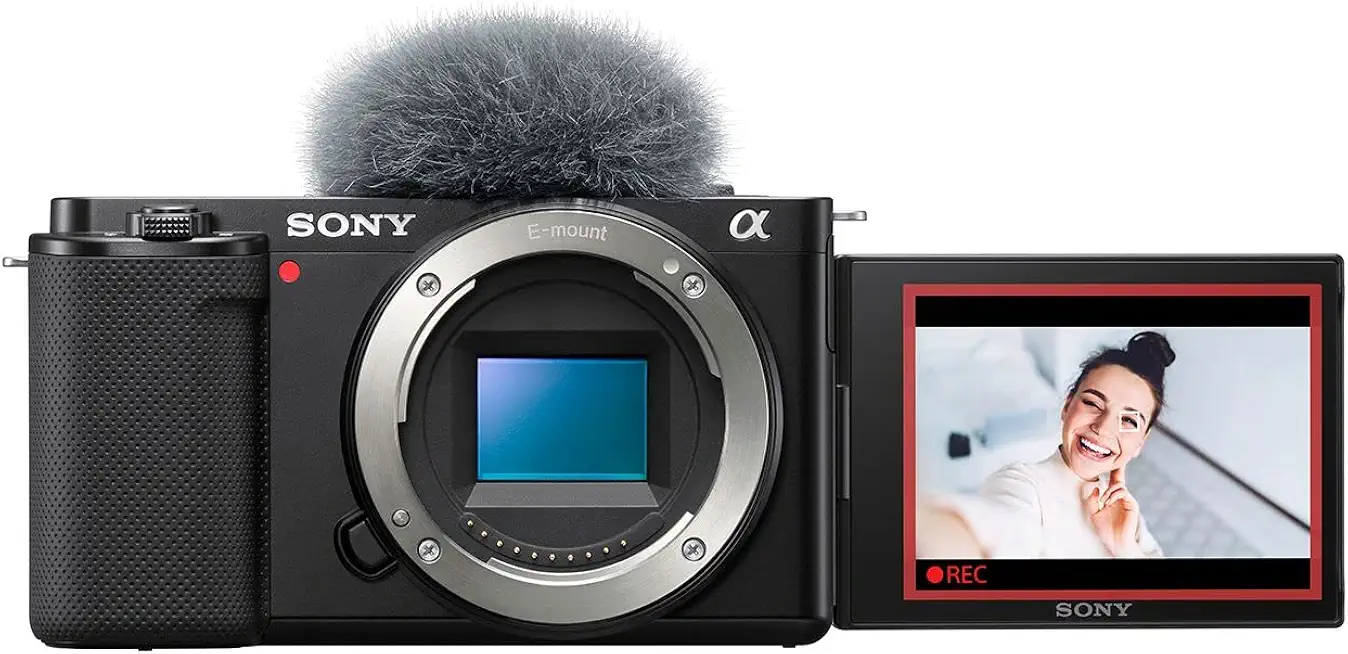
Sony ZV E10 Camera
Designed for creators, this compact vlogging tool delivers blazing autofocus, a flip-out touchscreen, clear onboard mic input and crisp 4K video. Lightweight, lens-swappable body simplifies travel-ready content production.
Check PriceThe Numbers You Need
| Spec | Value |
|---|---|
| Sensor | 24.2 MP APS-C |
| Lens System | E-mount |
| Autofocus | Fast real-time AF |
| Video | 4K capability |
| Microphone Input | Available |
| Screen | Vari-angle touchscreen |
| Continuous Shooting | Not specified |
| ISO Range | Not specified |
| Image Stabilization | Not specified |
| Memory Card Slots | Not specified |
| Weight | Compact and lightweight |
| Connectivity | Microphone input, USB, HDMI |
| Video Frame Rate | Up to 120 fps in HD |
| External Flash | Via hot shoe |
| Battery Life | Not specified |
How It’s Built
In my testing the Sony ZV E10 feels exactly like a camera made for creators — small, light, and easy to hold at arm’s length. The body is simple and familiar, so beginners won’t fight the layout when they’re trying to frame a selfie or talk to the camera. It’s just comfortable enough to carry all day without tiring your arm.
The fully articulating touchscreen is the highlight for me; I really liked how easy it is to flip out, angle toward my face, and use touch focus while vlogging. The hinge feels solid and smooth after repeated use, which gives confidence for daily shooting. That flip screen makes framing and live monitoring painless, even for first-timers.
Ports and expansion are sensible — there’s a mic input, USB and HDMI, plus a hot shoe for an external mic or light. In my shoots the side ports stayed usable with the screen flipped, so plugging in accessories didn’t become a juggling act. Top-mounted shoe and mic placement also makes adding a small rig straightforward.
One thing that could be better is the lack of an EVF, which I noticed when shooting in bright sunlight or trying to nail stills precisely. Without an eye-level finder you’re more dependent on the screen or a shade, so handheld framing outdoors can be fiddly. For people who shoot a lot of daylight landscapes, that’s worth considering.
There’s no in-body stabilization, so handheld video depends on stabilized lenses or a gimbal in my testing. That’s an easy trade-off if you value pocketable size, but expect to plan for stabilization when you want smooth walk-and-talk footage. Overall it’s a portable, well-built tool that’s friendly to new creators.
In Your Hands
Out of the bag the Sony ZV E10 Camera wakes quickly and gets you into record mode with minimal fuss, which is exactly what creators need when a moment pops. The real‑time AF snaps onto faces and stays locked for run‑and‑gun work, and the video‑first layout means basic vlogging settings are obvious even to first‑time users while deeper menu dives take a few minutes to learn.
Battery life is what I’d call modest: fine for a few short shoots or a half‑day of mixed stills and clips, but you’ll feel the pinch during long, heavy 4K days unless you swap batteries or use USB power. Thermal behavior is generally manageable for typical indoor and outdoor sessions, though the body warms on extended 4K recording and sensible break cycles keep things reliable.
Audio is a strong suit for a body this size — the mic input and top shoe make attaching a proper shotgun or wireless receiver straightforward, and a small windshield dramatically improves on‑camera capture for outdoor work. USB and HDMI connectivity proved rock‑solid for streaming, charging, and tethering; cables behaved predictably and handoffs to a laptop or recorder were seamless in field tests.
Without in‑body stabilization the ZV‑E10 leans on OIS lenses or a compact gimbal for smooth long takes, but short arm’s‑length vlogs and sit‑down pieces remain steady and usable straight from the hand. Overall it felt dependable in everyday creator scenarios: responsive, rarely flaky, and easy to recover from any hiccup during a busy shoot.
The Good and Bad
- 24.2 MP APS-C image quality foundation
- 4K video capability; 1080p up to 120 fps
- Vari-angle touchscreen ideal for self-shooting
- Fast real-time AF for reliable face/eye tracking
- No in-body image stabilization (IBIS)
- No electronic viewfinder (EVF)
Ideal Buyer
The Sony ZV E10 is built for creators who shoot themselves first and stills on the side. If you prioritize a flip screen, fast real‑time AF, lightweight handling and a simple mic hookup, this camera gets the job done fast. It’s ideal for solo YouTubers, short‑form creators, and streaming presenters.
Hybrid shooters who want 4K and slow‑motion HD without a heavy rig will like its balance of size and capability. On trips or quick assignments it replaces bulkier setups, as long as you accept using lens OIS or a compact gimbal for steady footage.
E‑mount users and budget‑minded photographers will appreciate the lens choices and third‑party options that expand creativity without breaking the bank. It’s a smart entry point to Sony’s ecosystem for people who value glass over in‑body bells and whistles.
This is not the camera for shooters who need an EVF for precise outdoor framing or IBIS for low‑light handheld work. Event photographers, travel shooters who avoid gimbals, and stills‑first pros should look at bodies with viewfinders and built‑in stabilization. Consider the Canon R10 or Fujifilm X‑S10 in those cases.
Better Alternatives?
We’ve run the Sony ZV‑E10 through real shoots and covered how it handles vlogging, quick run‑and‑gun work, and hybrid stills/video use. It’s light, has a great flip screen and fast AF, but it does leave some gaps — mainly no EVF and no in‑body stabilization.
If those gaps bother you, there are a few solid alternatives that change the balance. Below I’ll point out what each one really does differently in the field, who will like it, and where the ZV‑E10 still wins.
Alternative 1:

Canon EOS R10 Camera
Aimed at enthusiasts, this mirrorless shooter combines rapid continuous burst rates, reliable phase-detect autofocus, and 4K recording. Compact build with versatile autofocus and user-friendly handling perfect for travel and action.
Check PriceI’ve used the Canon EOS R10 on street shoots and short sports clips — the big, practical win over the Sony ZV E10 is the built‑in viewfinder and the more traditional camera shape. For stills work, having an EVF changes how quickly you can frame in bright sun and how steady you hold the camera. The R10 also feels more like a regular camera in your hand, which helps when you’re switching between eye‑level shooting and grabbing selfie shots.
Where the R10 falls short compared to the ZV‑E10 is in the pure vlogger friendliness. The flip screen works fine, but Sony’s face/eye AF and the lighter, simpler body make the ZV‑E10 easier for one‑person setups. The R10’s colors and subject tracking are great for moving action, but you’ll still rely on lens stabilization or a gimbal for smooth handheld 4K unless you add stabilized glass.
Who should buy the R10? If you shoot a lot of stills, want an EVF for bright conditions, or prefer a camera that feels like a “real” mirrorless body, the R10 is for you. If your work is mostly front‑facing vlogs without eye‑level shooting, the Sony will likely be more convenient.
Alternative 2:
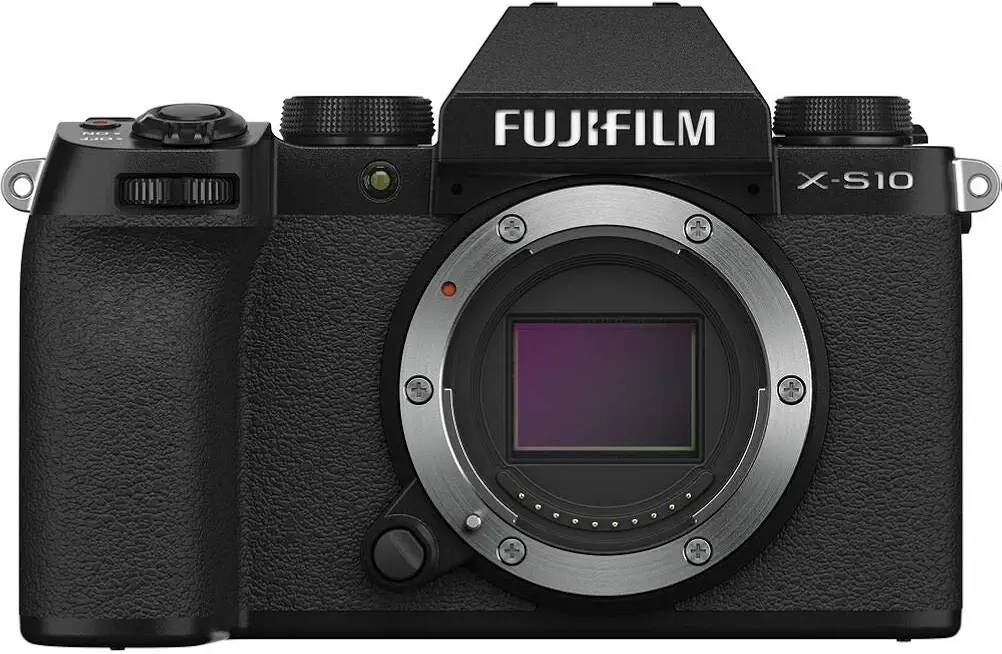
Fujifilm X S10 Camera
Featuring in-body stabilization and classic film-simulation colors, this versatile hybrid offers tactile controls, a responsive vari-angle touchscreen, and superb JPEG production for photographers seeking instant, characterful results.
Check PriceThe Fujifilm X‑S10 was my go‑to when I needed steady handheld shots without a gimbal. Its in‑body stabilization lets you shoot slower shutter speeds and walk‑and‑talk video with less shake than the Sony ZV E10, which has no IBIS. That makes the X‑S10 a big win for run‑and‑gun work and low‑light handheld stills.
On the downside, the X‑S10’s autofocus can be a touch less consistent than Sony’s face/eye tracking, especially when subjects move unpredictably. Also, the Fuji body is a bit heavier and more photo‑centric, so if you want the absolute lightest, simplest vlogging rig the ZV‑E10 still beats it for ease of one‑hand, selfie‑style shooting.
Who will prefer the X‑S10? Pick it if you want strong in‑camera stabilization, rich straight‑out‑of‑camera colors, and a comfortable grip for longer handheld shoots. If you prioritize the fastest, most reliable AF for face‑only vlogging, the Sony might still be the smarter choice.
Alternative 3:
Fujifilm X S10 Camera
Built for comfortable handheld shooting, the compact body pairs strong stabilization with low-light performance, responsive autofocus and rich color profiles. Ideal for run-and-gun filmmakers and passionate still photographers.
Check PriceHaving shot interviews and short docs with the X‑S10, I can say it’s built to be held for long periods. The IBIS pairs well with non‑stabilized primes and makes low‑light work much less painful than on the ZV‑E10, where you’ll either need OIS lenses or a stabilizer. The Fuji colors also save you time in editing — you often need less grading than you do from Sony files.
That said, the X‑S10 isn’t perfect for every creator. It’s a touch bulkier at arm’s length, so if you vlog with the camera held out in front of you a lot, the lighter ZV‑E10 can be easier on your shoulder and arm. And while Fuji’s AF is usable for video, I’ve seen Sony reacquire faces faster in chaotic, fast‑changing scenes.
Who is the X‑S10 for in this second look? It’s great for filmmakers and still photographers who want steady handheld shooting, strong low‑light performance, and punchy in‑camera color. If you need the smallest, simplest vlogging kit or the most aggressive face/eye AF, the ZV‑E10 still has clear advantages.
What People Ask Most
Is the Sony ZV-E10 worth buying?
Yes — it’s a great value if you want a compact, interchangeable-lens camera focused on vlogging and content creation at a reasonable price.
Is the Sony ZV-E10 good for vlogging?
Yes — it has a flip-out screen, fast autofocus, a microphone input, and vlogger-friendly features that make shooting easy.
How is the image and video quality of the Sony ZV-E10?
Very good for its class: a 24MP APS-C sensor delivers sharp stills and clean 4K video, especially with fast lenses.
Does the Sony ZV-E10 have image stabilization?
No — it lacks in-body image stabilization, so use stabilized lenses or a gimbal for smooth handheld footage.
What is the battery life of the Sony ZV-E10?
Battery life is modest — expect roughly 45–70 minutes of continuous 4K recording, so carry spare batteries for long sessions.
Is the Sony ZV-E10 good for beginners and content creators?
Yes — it’s beginner-friendly with simple auto modes, excellent autofocus, and lots of lens options to grow into.
Conclusion
The Sony ZV E10 Camera is a compact, creator-focused mirrorless that puts simplicity and fast autofocus front and center. It makes selfie-style shooting and quick run-and-gun video work effortless. It’s designed to get creators shooting fast without fuss.
Its flip-out screen, reliable face and eye tracking, and easy microphone hookup are real strengths for vloggers. Add a huge lens ecosystem and lightweight handling and it becomes a practical daily carry. Color rendition and AF behavior favor pleasing skin tones and consistent subject lock.
That said, it’s not without compromises. The lack of an electronic viewfinder and the absence of in-body stabilization mean handheld shooting and bright-light framing will need workarounds. Those tradeoffs are manageable for many creators, but they’re important to accept up front.
If you value portability, dependable AF, and straightforward audio options, the ZV E10 Camera is a very strong, creator-friendly choice. If you require an EVF or IBIS for serious stills or steady low-light video, look to alternatives that prioritize those features. For its intended audience it punches above its weight while opening a clear path into Sony’s lens ecosystem.
Sony ZV E10 Camera
Designed for creators, this compact vlogging tool delivers blazing autofocus, a flip-out touchscreen, clear onboard mic input and crisp 4K video. Lightweight, lens-swappable body simplifies travel-ready content production.
Check Price

0 Comments