

What is a card reader for a camera and can it really speed up your workflow?
This article explains what a card reader for a camera does, how it works, and when to use one. You will learn about speeds, card formats, and how to pick the right reader for your gear.
It also gives simple workflows, backup rules, and quick fixes for common problems. Read on to find practical tips for faster, safer transfers.
What is a card reader for a camera?
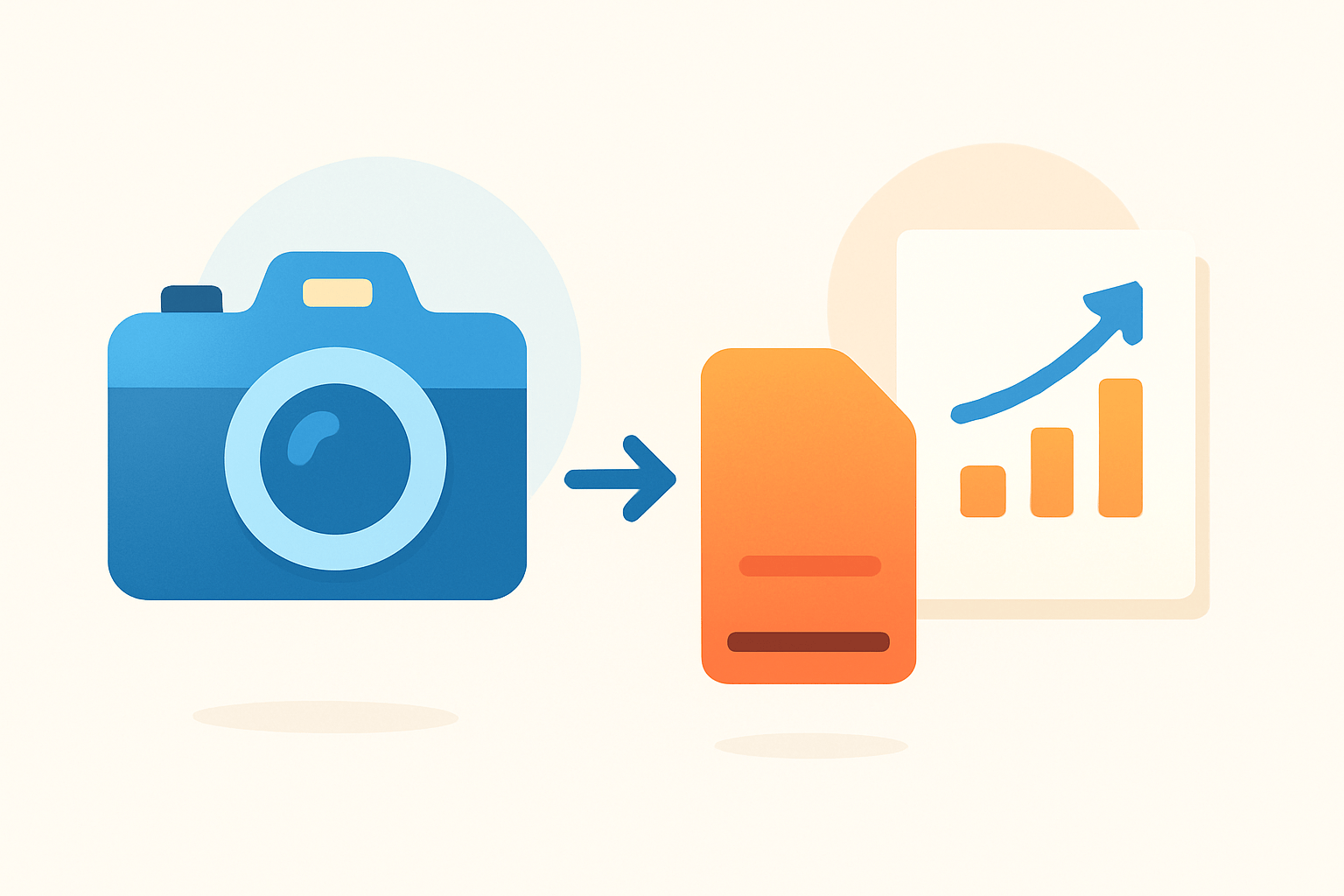
A card reader for a camera is a small device that lets you move photos and video from a memory card to a computer without using the camera. If you’ve ever wondered what is a card reader for a camera, think of it as a bridge that makes your files show up instantly on your laptop. It keeps the process simple, fast, and safe for your gear.
The reader’s job is straightforward. It reads the files stored on SD, microSD, CFexpress, XQD, or CFast cards and presents them to your computer, tablet, or phone like a removable drive. If you want a quick primer on the basics, this overview of what is a card reader helps set the foundation.
Card readers come in many forms. Some laptops have built‑in SD readers, while most photographers carry compact external USB or USB‑C readers. You can also find multi‑card hubs with several slots, single‑slot high‑speed models for pro cards, and tiny adapters that let microSD cards fit a full‑size SD slot.
Photographers rely on readers for ingesting a shoot, making backups on the spot, speeding up transfers, and reducing wear on the camera’s ports and battery. The right reader turns a long, risky transfer into a quick, dependable step in your workflow. That’s why it sits beside batteries and lenses in so many camera bags.
Picture a simple photo showing an SD, microSD adapter, CFexpress Type B, and a compact USB‑C reader lined up. A caption could label each type so you can match the shape and slot on your own cards. That visual alone often clears up confusion for beginners.
How does a card reader work?
Inside the reader is a small controller. It translates the language your card speaks into the language your computer understands and exposes the card as a removable drive. You plug it in, and your files appear as if they were on any external disk.
Every memory card uses its own protocol. SD and microSD speak SD/MMC, while CFexpress speaks PCIe/NVMe, and CFast uses SATA. The reader bridges that protocol to a host interface such as USB or Thunderbolt so your operating system can read it cleanly.
Speed features live on both sides of that bridge. UHS‑II and the rarer UHS‑III SD cards have extra pins that enable more lanes and higher throughput, but only if the reader is UHS‑II/III aware. Those cards still work in older UHS‑I readers, yet they will fall back to slower speeds.
Host interfaces also matter. USB 2.0 tops out quickly and will choke modern cards, while USB 3.0/3.1/3.2 Gen 2 offer far more headroom, and Thunderbolt can be even faster for premium workflows. Real‑world speed depends on the slowest link among your card, reader, cable, and port.
Power is another piece of the puzzle. Most readers are bus‑powered and draw what they need from USB or Thunderbolt, but some high‑performance CFexpress readers and multi‑slot hubs benefit from external power for sustained transfers. This keeps speeds stable during long copy jobs.
In practice, using one feels simple. You remove the card, insert it in the reader, connect to the computer, and the card mounts on the desktop. Then you drag files to a folder or import into Lightroom, confirm the copy, and safely eject the reader when finished; for a deeper dive on the process, see card readers explained in plain language.
Benefits of using a card reader (vs downloading straight from the camera)
The first win is speed. A dedicated reader uses direct lanes and a controller designed for transfer, so it often outruns a camera’s USB modes by a wide margin. On big shoots, that saved time adds up to hours.
A reader also protects your camera’s hardware. Constantly plugging and unplugging cables can loosen or damage the camera’s port, and transferring while the camera is on drains batteries. Offloading with a reader keeps your camera resting and ready.
Reliability is better too. Readers mount quickly and behave like standard drives, which makes batch copying, verifying, and organizing more predictable. You can keep working while your camera batteries charge or while another body is still shooting.
For bigger jobs you can run multi‑card workflows. Ingest one card while the next is queued, or copy to a primary SSD and a backup drive at the same time. This keeps your files safer and your timeline tighter.
Portability matters in the field. A compact USB‑C reader works with modern laptops and even some tablets, so you can dump cards in a van, in a hotel lobby, or on a mountaintop. It is a small tool with a big effect on flexibility.
Consider real‑world scenarios. A wedding photographer cycling through five SD cards can ingest them rapidly between dances, while a travel shooter can back up daily without risking the camera’s port. In the studio, a reader streamlines hand‑offs to retouchers and keeps tethered cameras free for shooting.
If someone asks what is a card reader for a camera, I answer with three words: speed, safety, and control. The difference is clear when deadlines are tight. Minutes saved per card become peace of mind at delivery.
Think about the three common routes. With a card reader, transfers are fast, dependable, and do not touch the camera’s battery. With a direct camera USB cable, speeds can be slower and you wear the port while the camera must stay powered on.
Wi‑Fi transfer has its place for quick previews. It is convenient but often slow and less reliable for large RAW sets or 4K/8K footage. For most full shoots, a reader remains the practical and professional choice.
Are there exceptions? Sure, if you only need a handful of JPEGs for a quick post, a direct camera connection or Wi‑Fi can be fine. But for most jobs, a reader is the tool that keeps your workflow smooth.
How to choose the right card reader for photographers
Start with card format compatibility. Match the reader to the fastest cards you actually own: UHS‑I or UHS‑II SD, SD Express, CFexpress Type A or Type B, XQD, or CFast. Buying the wrong slot means leaving speed on the table.
Next, match the host interface to your computer. A USB‑C reader that supports USB 3.2 Gen 2 will satisfy most modern laptops, while Thunderbolt 3/4 can be worth it for heavy CFexpress workflows. The goal is to keep the pipe wide from card to computer.
Consider how many slots you need. A single, very fast slot is ideal for pros who need maximum speed from one card at a time, while multi‑slot hubs suit editors who ingest several cards in sequence. Think about your shoot rhythm before you buy.
Build quality affects longevity and performance. Metal housings shed heat better during long transfers, and solid connectors survive life in a bag. Cheaper plastic models can get hot and throttle speeds under sustained load.
Check operating system support. Most readers are plug‑and‑play on Mac and Windows, and many work on Linux without drivers. If a model needs vendor software, make sure it is well maintained for your OS version.
Power and portability go hand in hand. Bus‑powered readers are perfect in the field because they need no adapter, while powered hubs can maintain top speeds when you are copying multiple cards or very large video projects. Choose based on where you actually ingest.
Extra features can help on busy days. A bright LED shows activity at a glance, hardware write‑protect switches prevent accidental edits, and some duplicators offer one‑button checksum clones to a second drive. These touches reduce mistakes when you are moving fast.
Price should follow your future cards, not just today’s. If you plan to move from UHS‑I to UHS‑II or CFexpress within a year, buy once and keep the reader longer. Future‑proofing a small accessory can save you from replacing it soon.
The simplest buying rule is this: match the reader to the fastest card you own and the fastest port you can use. There is no point in a UHS‑II card if your reader only speaks UHS‑I. Likewise, a great reader can be hamstrung by a slow USB 2.0 port.
For ideas across budgets, browse the current roundup of the best memory card readers. A single high‑speed CFexpress or UHS‑II model suits pros, a compact USB‑C SD reader is perfect for travelers, and a multi‑slot hub makes sense for studio desks. Pick the one that fits your daily reality.
How to use a card reader — workflow, best practices and troubleshooting
Power the camera off before removing the card, or use the camera’s menu eject if available. This prevents file system errors. Slip the card into a protective case until you are ready to ingest.
Place the card in the reader with the label facing the correct direction and connect the reader to your computer. Wait for the card to mount. Do not pull the cable or card while activity lights are on.
Import with your photo app or copy the files manually to a working folder. Confirm that the files open as expected and that the count matches the card. Verification is a habit that saves shoots.
Create at least one immediate backup. Copy to a second drive or a cloud sync folder before you format the card. Two copies protect you from the most common mishaps.
When you are done, eject the card from the operating system and wait for the activity light to stop. Then remove the reader or the card. Safe ejection avoids silent corruption.
Format cards in the camera that will use them, not on the computer. The camera writes the file system and allocation size it expects, which reduces errors. It also keeps your cards consistent across bodies.
Use verification tools or “verify after copy” for critical work. Label cards with numbers and dates, rotate them, and retire older ones on a schedule. Never edit directly from the card; copy to a fast local drive first.
If you use microSD in an adapter, choose a quality adapter and replace worn ones. Watch transfer speeds and remember that USB hubs can bottleneck multiple readers. Plug into a high‑speed port whenever possible.
If the card is not recognized, try another slot or reader, check the SD write‑protect tab, and test on another computer. Sometimes the reader or cable is the issue, not the card. Keep a spare reader in your kit.
When transfers are slow, check that you are on a USB 3.x or Thunderbolt port and use a high‑quality cable. Confirm the reader supports UHS‑II or CFexpress if your cards do. Close heavy apps that can hog resources.
If files appear corrupted, stop using the card immediately. Create a full disk image with a reader and try recovery tools like PhotoRec, Stellar, or RescuePRO, and consider a pro service if the card is physically damaged. Acting quickly improves recovery odds.
Overheating can cause stutters in long copies. Let the reader cool, avoid stacking devices, and consider a powered reader for large, continuous transfers. Metal‑bodied models dissipate heat better.
Clean card contacts gently with a blower and avoid touching the pins. Store cards in a protective case, and retire any that show errors or have served many heavy cycles. If you came here asking what is a card reader for a camera, the steps above will make that answer real in your next shoot.
What People Ask Most
What is a card reader for a camera?
A card reader for a camera is a small device that reads the memory card from your camera and lets your computer access the photos. It transfers files without needing to plug the camera directly into the computer.
How do I use a card reader for a camera?
Insert your camera’s memory card into the reader and plug the reader into your computer’s USB port, then open the files to copy or move photos. It’s a simple drag-and-drop process in most operating systems.
Why should I use a card reader instead of connecting the camera to my computer?
A card reader is usually faster, saves your camera battery, and avoids needing to power up the camera for transfers. It’s more convenient for moving large batches of photos.
Can a card reader damage my memory card?
Using a card reader properly won’t damage the card, but removing the card during a file transfer can corrupt photos. Always eject the card safely before removing it from the reader.
Will a card reader work with different camera memory cards?
Many card readers accept multiple types of camera memory cards, so they work with different cameras. Check the reader’s slots to match your card type before use.
Do I need special software to use a card reader for a camera?
No special software is usually required because most computers recognize card readers as external drives. You can view and copy photos using your normal file browser or photo app.
How can I keep my photos safe when using a card reader?
Back up photos to your computer or an external drive, avoid unplugging the reader during transfers, and store the memory card in a protective case. Regular backups prevent accidental loss.
Final Thoughts on Card Readers for Cameras
If you’ve been tallying reasons to add a reader to your bag, even a small stat like 270 can tip the scale — minutes saved, cameras protected. At its heart, a reader turns cards into usable files faster and with less wear on your camera, so you’ll move from shoot to edit without extra hassle. This matters most to wedding and event pros, travel shooters, and anyone who values predictable, fast backups.
A realistic caution is to match the reader to your cards and computer — a UHS‑II or CFexpress card won’t run at full speed on an older reader or port. We explained how readers bridge protocols, when extra power is needed, and which quick camera USB transfers might be acceptable. So if your opening question was whether you needed one, the piece shows when a reader’s essential and when it’s optional.
Matched to the right reader and a simple ingest routine, your workflow will spend less time stuck on transfers and more time making images. Expect calmer shoots, faster edits, and backups that feel a lot less risky as you move forward.


0 Comments