
What is parfocal lens, and why do video pros care so much about it?
This article will explain what a parfocal lens is, how it keeps focus while you zoom, and why that matters for video and broadcast. You’ll get simple, practical answers without heavy optics math.
We also cover parfocal vs varifocal, the real benefits and limits, and a clear step-by-step test you can do yourself. Expect GIFs, a quick-print checklist, and buyer/rental tips to help you choose gear that works on set.
Read on to learn when to pick a parfocal zoom and how to confirm it works for your shoot. The guide stays short, useful, and easy to follow.
What is a Parfocal Lens?
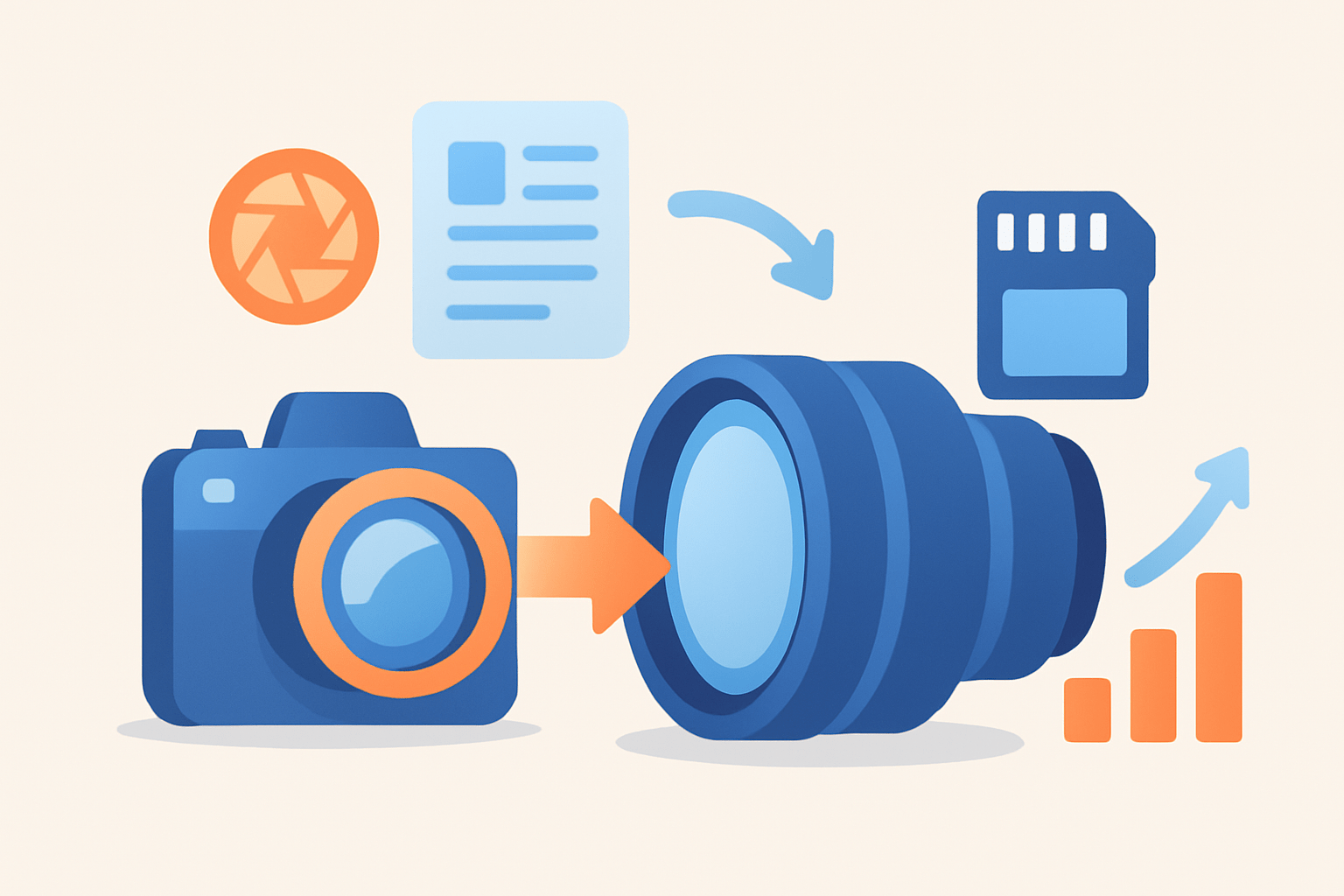
If you’re asking what is parfocal lens, it’s a zoom lens that stays in focus while you change focal length. In plain terms, you can zoom in or out and keep your subject sharp.
Technically, a parfocal lens maintains a constant focus plane at the sensor as focal length changes. It accomplishes this by moving internal elements in a coordinated path, so the image stays focused without touching the focus ring. The practical result is no refocus needed during a zoom.
You’ll hear the term most in cinema, broadcast, and microscopy, where continuous viewing or recording is the norm. For video shooters, holding focus through a zoom protects the take and saves time on set. For still photographers, parfocal behavior is nice to have but less critical because refocusing between shots is easy.
In everyday shooting, the effect is simple and obvious. You touch the zoom ring, go from wide to tight, and your subject remains crisp. That is the essential promise behind what is parfocal lens performance.
How Does a Parfocal Lens Work?
Inside a parfocal zoom, multiple lens groups shift on precision cam profiles as you turn the zoom ring. A compensator or floating group tracks the change in focal length and repositions so the convergence point stays on the sensor plane. The geometry of those cams, plus tight manufacturing tolerances and robust mechanics, is what holds focus as you zoom.
In practice, this means minimal focus shift, fewer focus pulls, and a smoother single-operator workflow. Some lenses may show a tiny residual shift or a bit of focus breathing, especially at the extremes, but well-made cine and broadcast designs keep it small. If you want to see how a subject stays sharp during a move, watch a parfocal zoom demonstration or imagine a simple diagram or animated GIF where focal length changes but the edges of fine detail stay equally crisp.
Parfocal vs Varifocal Lenses
A varifocal lens changes focus as you zoom, so the subject drifts soft unless you refocus. Most photography zooms are varifocal because autofocus can correct quickly after you set the new framing. This is fine for stills, but in video the visible focus shift during a live zoom can spoil the shot.
Parfocal designs cost more and are more complex, yet they let you reframe mid-take without a focus pull. Varifocal zooms are lighter and cheaper, and with fast autofocus they work well when you rarely zoom while rolling. A simple rule of thumb: if you need to zoom during the shot, pick parfocal; if you set your focal length first and then record, varifocal is usually fine.
For a deeper overview of the tradeoffs, compare parfocal vs varifocal behavior and think about your workflow. Strong continuous AF can mask focus shifts in some cases, but it may hunt or lag during a slow zoom.
Benefits of Using a Parfocal Lens
The biggest benefit is maintaining focus during a zoom, which keeps your subject sharp and your framing consistent. This supports clean crash zooms, classic dolly/zoom style shots, and subtle reframes without calling a focus pull. For solo operators, it reduces mental load and lets you watch performance, not fight the lens.
Think of a live sports camera locking on a striker from midfield and zooming tight as the play breaks, or a one-person documentary setup sneaking a slow zoom during an interview without distracting breathing or refocusing. In microscopy, parfocal objectives let you change magnification and keep the specimen sharp, saving time. As a rental-house tech once told me, “If you plan to zoom while rolling, parfocal pays for itself in saved takes.”
There are tradeoffs. Parfocal cine and broadcast zooms are often heavier, pricier, and fewer in number than photo zooms, and even good copies can show some focus breathing or edge softness at certain focal lengths. Depth of field also matters: a small drift that disappears at f/8 may become visible at T2.0, so test at the aperture you plan to use and be ready to rent if buying stretches your budget.
How to Test if a Lens is Parfocal
Quick check: set manual focus and manual exposure, and use live view. Focus at mid-zoom on a high-contrast subject, then zoom to both ends while watching or recording. If it stays sharp across the range, you’re likely good.
Full checklist: 1) Mount the camera on a tripod and switch to manual focus and manual exposure, ideally with focus magnification. 2) At a realistic working distance, focus on a detailed target at a middle focal length. 3) Slowly zoom to wide and tele while watching or recording, then review frame grabs at 100%. 4) If the target remains tack sharp without refocusing at both ends, the lens behaves parfocally; repeat at a different distance and aperture to confirm.
Pass means the plane of focus does not drift off your subject through the zoom. Keep in mind that deep depth of field can hide small shifts, so test wide open if you plan to shoot shallow and note any focus breathing that might change framing.
Before you buy, ask a rental house for a live demo and request the manufacturer’s parfocal specification. Prefer cine zooms if you need guarantees, and check practical details like geared rings, T-stops, weight, balance, and support requirements; if you wonder how to test further, bring a chart and repeat the steps on their prep bench. If you’ve ever wondered what is parfocal lens behavior on your own kit, this simple test will tell you fast.
What People Ask Most
What is parfocal lens and how does it help?
A parfocal lens stays in focus when you zoom in or out, so you don’t have to refocus between magnifications. This makes zooming smoother and faster for photos or video.
How does a parfocal lens make video shooting easier?
It keeps your subject sharp while you zoom, so your footage looks steady and professional without constant focus adjustments. That saves time and reduces shaky, out-of-focus moments.
Is a parfocal lens the same as a varifocal lens?
No, a parfocal lens keeps focus while zooming, while a varifocal lens usually needs you to refocus after changing magnification. Parfocal is more convenient for live zoom changes.
Can beginners use a parfocal lens without technical skills?
Yes, parfocal lenses are beginner-friendly because they reduce the need for constant focus tweaks. They let you concentrate on composition and movement instead of focus adjustments.
Are parfocal lenses good for live events and sports?
Yes, they’re ideal for live events and sports where quick zooms are common and there’s no time to refocus. You can follow the action without losing sharpness.
Do parfocal lenses mean I never need to check focus?
No, you should still check focus sometimes, especially after big zooms or camera bumps. Parfocal lenses reduce focus changes but don’t replace good focus checks.
What common mistakes do people make with parfocal lenses?
People often assume the lens will fix every focus issue and forget to stabilize the camera or verify focus for close subjects. Always test your zoom range and keep an eye on sharpness during critical shots.
Final Thoughts on Parfocal Lenses
If you came wondering “what is parfocal lens”, this guide gave the plain answer: it stays in focus while you change focal length, and it showed a quick check — even a 270-second test you can run yourself. You got a friendly, nontechnical look at how internal elements keep the image plane steady so you don’t need to refocus while zooming. That opening question is now something practical you can try on set.
The core advantage is predictable sharpness through a zoom, which smooths single-operator shoots and makes creative moves like crash or dolly zooms practical. One caution: they often cost more and can still show small breathing or tiny focus drift with very shallow depth of field.
We covered the definition, inner workings, side-by-side varifocal comparison, real-world benefits and a hands-on test so you can verify any lens before you shoot. With a bit of testing and the right kit, you’ll be ready to pull smoother, more confident zooms on upcoming projects.


0 Comments