
Why full frame camera? Wondering if a bigger sensor will really change your photos?
This short guide cuts through the hype. It explains what a full frame sensor is and how it differs from APS‑C and MFT in simple terms.
You will see clear examples of sensor size, crop factor, depth of field, low‑light performance and dynamic range. Expect side‑by‑side photos, simple tests and a practical checklist to help you decide.
No hard sell — just honest pros and cons, lens and budget tips, and who truly benefits from full frame. Read on to find out if a full frame camera is the right move for your photography.
Full Frame Sensor: What is It?
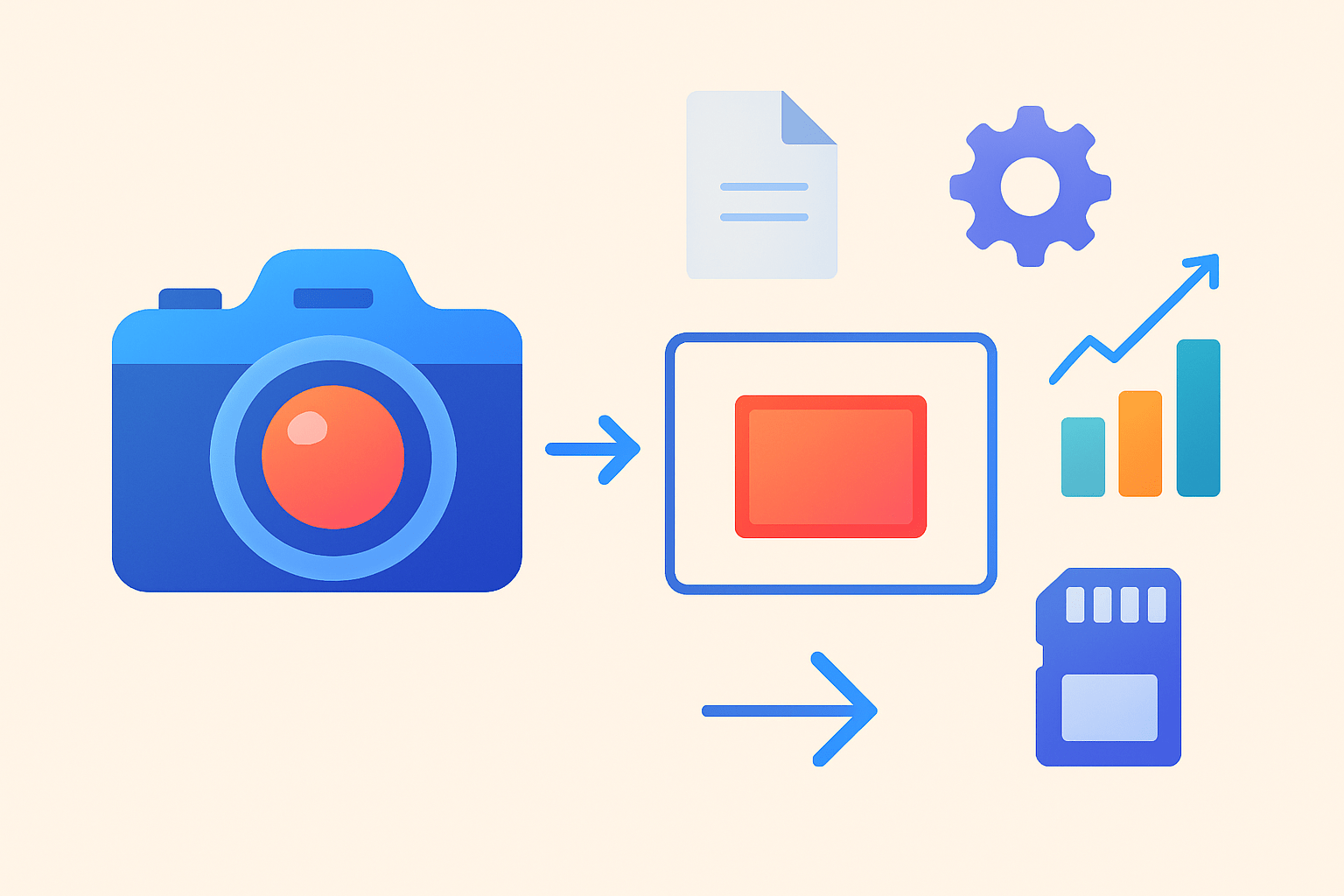
Full frame means a digital sensor that matches 35mm film at 36 × 24 mm. That size is the foundation for how lenses behave, how much light you gather, and how your images look. It is the reference point for field of view, depth of field, and crop factor.
The size matters because area collects photons. With more surface, you can use larger photosites at the same megapixels, which improves signal-to-noise. Bigger pixels also help color accuracy and micro-contrast in tricky light.
Crop factor is the ratio between a sensor’s diagonal and full frame. Full frame is 1.0 by definition, while APS‑C is typically 1.5 or 1.6, and Micro Four Thirds is 2.0. It changes field of view, so the same lens looks more “zoomed in” on smaller sensors.
The simple rule is equivalent focal length = stated focal length × crop factor. A 50 mm lens on APS‑C (1.5x) frames like a 75 mm lens on full frame, while on MFT (2x) it frames like 100 mm. You do not get extra magnification; you get a narrower slice of the image circle.
Picture three nested rectangles to visualize size differences. The largest is full frame, the medium rectangle is APS‑C that’s roughly two thirds the width and height, and the smallest is Micro Four Thirds at about half. The smaller the rectangle, the tighter the field of view for the same lens.
Megapixels are only part of the story because pixel pitch matters. A 24 MP full frame sensor usually has larger pixels than a 24 MP APS‑C sensor, so it is quieter at higher ISO. Newer designs like BSI and stacked sensors also boost readout speed and noise control, even at higher resolutions.
Here is a simple field-of-view example using EXIF-style details. Photo A: 50 mm, f/1.8, 1/200 s, ISO 800 on a full frame body (crop 1.0) shows a waist-up portrait. Photo B: 50 mm, f/1.8, 1/200 s, ISO 800 on APS‑C (crop 1.5) frames a tighter head-and-shoulders from the same spot, because the sensor is smaller.
Now match framing by moving back or changing focal length. Use a 35 mm lens on APS‑C to mimic the 50 mm look on full frame, and you will see similar perspective but deeper depth of field at the same f-number. That difference shapes subject separation and background blur.
If you are curious about the leap in real shoots, read an expert’s perspective on moving to full-frame. The core idea is not only sharpness, but latitude, flexibility, and how images grade in post.
Why Full Frame Camera?
The short answer is control and headroom. Full frame delivers cleaner files in difficult light, richer dynamic range, and stronger depth-of-field control for creative separation.
If you are asking “why full frame camera,” it comes down to what the larger sensor enables across many genres. You can shoot later, recover more detail, and shape the background more precisely. Those gains add up when light and deadlines get hard.
Low-light performance is the headline reason for many photographers. Larger photosites give you better signal-to-noise at the same ISO, so you can push to higher ISO before the grain becomes distracting. That lets you keep shutter speeds safe at events and at night.
Dynamic range is the quiet advantage that saves images. Full frame files often give an extra stop or more of highlight and shadow recovery, depending on generation. You can lift a bride’s shadowed face under noon sun or pull color back from a bright sky without clipping.
Depth of field control is a creative lever. For the same framing, a full frame camera at f/2 isolates a subject more than a crop sensor at f/2, because of the geometry of sensor size and focal length. The result is smoother bokeh and cleaner subject pop.
Wider field of view with the same lens also helps. A 24 mm lens is truly wide on full frame, so landscapes and architecture breathe without resorting to extreme ultra-wides. Straight lines are easier to keep clean, and you keep distortion under control.
There are also practical perks around the system. Full frame bodies often have better ergonomics, longer-lasting shutter ratings, and deeper accessory ecosystems. Resale value tends to be stronger, which matters when you upgrade.
These strengths shine in real jobs. Weddings and events need high ISO and reliable skin tones, portraits benefit from creamy blur, and astrophotography wants clean shadows and star detail. Commercial and studio shooters value big files that grade cleanly and print huge.
The trade-offs are real, too. You will carry heavier bodies and lenses, spend more up front, and store larger RAW files that tax your computer. Being honest about those costs will help you buy once and buy right.
If you only read one thing, match the reason to your genre. Portraits love the blur and tonality; landscapes love dynamic range and true wide-angle; sports love better AF and cleaner high ISO; travel loves the flexibility of one body that handles day and night. That is the practical core of why full frame works.
When it is time to pick a body, browse a current guide to the best full-frame camera so you see how features and prices line up this year. Pair the shortlist with a lens plan that fits your work, not just the spec sheet.
Crop Sensor vs Full Frame: What’s the Difference?
This is where theory turns into real choices you feel in your hands. Full frame vs crop is about field of view, noise, dynamic range, depth of field, system size, and price. The right answer depends on what you shoot and how you deliver.
Field of view is the most obvious difference. Put a 50 mm lens on both, stand in the same spot, and the APS‑C image looks tighter because of the 1.5x crop factor. To match framing, you either back up or use a shorter lens on the crop body.
Depth of field changes with that framing change. For the same composition and f-number, smaller sensors give more depth of field, which means less blur for the subject at the same settings. A simple guide is aperture equivalence: multiply the f-number by crop factor to compare blur at matched framing.
Here is a clear example. A 35 mm f/1.8 on APS‑C framed like a 50 mm shot on full frame behaves like f/2.7 for depth of field on the full frame side. That is why portraits often look softer and creamier when shot on larger sensors at the same f-number.
Low-light and noise usually favor the larger sensor. Model for model, you may see around a stop of cleaner ISO from full frame at the same print size, though new sensor generations can narrow gaps. Dynamic range tends to track similarly, with full frame keeping highlights and shadows a bit safer.
Resolution and pixel pitch complicate the picture. A high‑megapixel APS‑C camera can out-resolve a lower‑MP full frame on fine detail, but per-pixel noise will be higher. Normalize for print or web size, and the larger sensor’s smoother tones are often still visible.
Size, weight, and cost tip the scales the other way. Crop systems can be smaller and cheaper, and wildlife shooters love the “reach” effect where a 300 mm lens frames like 450 mm. If you carry gear all day or fly often, the lighter kit is a real win.
You can test these differences with two simple shots. First, same lens and same spot to see how APS‑C crops tighter and appears to zoom. Second, match framing by switching focal lengths, and examine how background blur and noise change at the same exposure.
When crop beats full frame, it is usually about reach, budget, and size. Birds, distant sports, long hikes, or student budgets make APS‑C and MFT powerful choices with real value. The files are easier to handle, and modern bodies are very capable.
When full frame beats crop, it is usually about image quality margins. You get cleaner shadows, more highlight headroom, stronger blur control, and true wide-angle with ordinary lenses. For paid work and low light, those margins build confidence.
Full-Frame Advantages
Think of this section as a checklist of full-frame advantages you will notice in real shooting. Each point is small alone, but together they change how you work and what you can promise. Consider them one by one against your needs.
High ISO performance is the most obvious gain. You can push ISO a stop or more and still get clean faces and smooth skies, especially in gyms, churches, and night streets. That keeps shutter speeds safe and autofocus happier.
Dynamic range helps you protect highlights and lift shadows without a crunchy look. You see it on bright wedding dresses, sunset skies, and glossy products with specular highlights. Histograms look less crowded against the edges, which makes exposure more forgiving.
Shallower depth of field gives you creative control. With equivalent framing, f/2 or f/1.8 on full frame gives a silkier background than the same f-number on a crop sensor. Clients love that subtle separation because it looks cinematic.
True wide-angle is easier to get right. A 20–24 mm lens on full frame is genuinely expansive yet still sharp and low in distortion. You capture small rooms, tall architecture, and sweeping vistas without resorting to extreme lenses.
Large prints and crop flexibility are practical wins. You can trim a composition for layout without losing quality, and billboard or gallery sizes hold up. That safety net is priceless for commercial jobs where framing changes late.
The lens ecosystem is a creative playground. Native full-frame lenses often have better corners, richer rendering, and more specialty options like fast 85s and tilt-shifts. Adapters also let you mix in legacy glass with unique character.
Balanced reporting means naming the trade-offs clearly. Full-frame bodies and lenses can be heavier and costlier, and RAW files are bigger and slower to process. If you mostly share on phones, the upgrade can be overkill.
You can prove these differences with simple tests. Shoot a high-ISO scene and compare noise in skin tones, then try a harsh backlit portrait and recover highlights to see color hold. Next, shoot the same portrait framing on both systems and compare blur and bokeh shape.
To maximize your gains, use base ISO whenever you can and guard highlights with careful metering. Pick a fast prime for portraits, like a 50 mm or 85 mm, and let the background melt. Plan storage and backups for larger files so your workflow stays smooth.
Who Should Choose Full‑Frame?
This is your practical decision guide. Match your work, your budget, and your tolerance for weight, and you will have your answer. The goal is not hype, but fit.
Choose full frame if you shoot weddings, portraits, events, or commercial work where image quality margins matter. Landscape and astrophotography also benefit from cleaner shadows and wide dynamic range, plus true wide-angle options. Serious enthusiasts who print large will see real gains.
Consider APS‑C or MFT if you are focused on wildlife or field sports and want more “reach” for your budget. Travelers who prioritize a small kit will love the lighter bodies and lenses. Beginners on tight budgets can build skills and lens collections without strain.
Ask yourself a few clear questions. Do you frequently shoot in low light, or need shallow depth of field for your style, or deliver large prints or paid work. Is weight a deciding factor, and what is your real budget including lenses, cards, storage, and computer.
If you answered yes to two or more of those needs, full frame is likely the right move. If you answered no or weight is a hard limit, a crop system will serve you well. The best camera is the one that supports your jobs and your back.
Buy smart by prioritizing lenses first. Rent a full-frame body for a weekend, shoot your own locations and subjects, and compare files on your screen. Look at used or previous-generation bodies to stretch your budget.
Mirrorless full frame brings size down without losing image quality. Start with a versatile wide-to-standard zoom, add a fast portrait prime, and pick a telephoto that matches your genre. That three-lens kit covers most real-world assignments.
Full frame is not always necessary, and that is okay. If most photos live on social media, you rarely shoot in dim light, or you want an ultralight kit for long hikes, crop sensors shine. You can always upgrade when your work demands it.
Quick checklist for your notebook: low light often; large prints or heavy crops; need creamy blur; clients pay for results; okay with heavier gear; budget covers lenses and storage. If that sounds like you, the path is clear. If not, enjoy the speed and value of a smaller system.
For a current snapshot of bodies to try, scan a round-up of full-frame mirrorless and then rent one to see how it fits your hands. If you are still wondering “why full frame camera,” your own files from a weekend shoot will answer faster than any spec sheet.
What People Ask Most
Why choose a full frame camera?
They often deliver better image quality in low light and give you more control over background blur for portraits. This can make photos look more professional with less effort.
Is a full frame camera better for shooting in low light?
Yes, a full frame camera usually handles low light better so you can shoot with less noise and lower ISO. That means clearer images in dim conditions.
Will a full frame camera help create a blurred background for portraits?
Usually yes, full frame cameras make it easier to get a shallow depth of field and smooth background blur. This helps subjects stand out in portraits.
Do I need a full frame camera as a beginner?
You don’t need one right away; focus on learning composition and lighting first, then upgrade if you need better image quality. Ask yourself why full frame camera would help your specific shooting style before buying.
Are full frame cameras heavier or harder to carry?
They can be a bit larger and heavier, but many people find the image benefits worth the extra weight. There are also lighter full frame options if portability matters.
Can I use the same lenses on a full frame camera?
Many lenses work on full frame cameras, but some lenses made for smaller sensors may not cover the whole image. Check lens compatibility before switching systems.
Does a full frame camera make a big difference for video?
Yes, full frame cameras often give a more cinematic look and perform better in low light for video. However, stabilization and good lenses are also important for quality footage.
Final Thoughts on Full‑Frame Cameras
Full-frame cameras deliver a simple, measurable gain: larger light-collecting area for cleaner low‑light shots, broader tonal range and natural subject separation, which adds a clear edge in image quality—think of all that extra latitude as the real payoff behind the number 270. They give you more headroom for highlight recovery and smoother shadow detail, plus shallower depth-of-field at the same framing for more cinematic portraits.
But they also come with trade-offs—higher equipment cost, heavier kits and larger files that mean more storage and more editing time, so they aren’t always the right tool for casual snapshots. If you asked “Should I buy full‑frame?” this guide walked through sensor size, crop effects, DOF behavior and genre-specific scenarios to help you decide, and it showed when a crop sensor actually wins. Professionals and serious hobbyists doing weddings, portraits, landscapes, astro or commercial work will see the most benefit.
If your priority is the cleanest files, the most tonal latitude and the loosest depth-of-field, a full-frame system will reward that focus; if not, a crop body can still deliver excellent results. Here’s to clearer choices and more confident shooting ahead.


0 Comments