

Which full-frame mirrorless camera will finally transform your footage into a cinematic standout in 2026?
With sensor leaps, smarter autofocus and new codecs, choosing the best full frame mirrorless camera for video feels more complex than ever.
This guide cuts through the hype with real-world testing and clear recommendations.
We evaluated the top five full-frame mirrorless cameras for video across a variety of shoots.
Rather than reciting lab specs, we focused on real strengths, weaknesses and the situations where each body shines.
You’ll get practical, shoot-ready insights about color, stabilization, autofocus behavior and file workflows.
Every shooter has different priorities.
Some need clean low-light performance; others want high-frame-rate slow motion or uncropped wide-field recording.
Some care most about ergonomics, battery life and lens ecosystems for long days on set.
We also tested reliability factors that matter on real jobs.
That includes overheating behavior, continuous recording limits, and how easy each camera is to operate under pressure.
Those small details often decide the winner on weddings, documentaries and commercial shoots.
By the end you’ll know which model best fits your budget, workflow and creative goals.
No single camera is perfect for every scenario, but the right match can elevate your work.
Let’s dive into the five standout full-frame mirrorless cameras for video in 2026.
1. Panasonic Lumix S5 II Overview

Panasonic LUMIX S5II (DC-S5M2BODY) Mirrorless Camera Body
Compact full-frame hybrid for creators offering superb video and stills, excellent low-light performance, fast autofocus, and in-body stabilization.
Check PriceThe Panasonic Lumix S5 II is a camera I reach for when I need cinematic color and reliable, practical video tools without breaking the bank. It records internal 10-bit 4:2:2 and offers 4K 60p (cropped for 60p), plus handy monitoring tools like a vectorscope and full HDMI output.
Color science is where this body shines — natural, filmic hues that grade beautifully straight out of the camera. The S5 II is also the first Panasonic to include phase-detect autofocus, which makes run-and-gun setups easier to manage.
For handheld work the superb IBIS is a game changer; it keeps footage steady when you don’t have a gimbal. The body feels rugged and weather-sealed yet relatively light for a full-frame, and ergonomics plus a logical menu layout make long shoots less fatiguing. Dual card slots and kit lenses that share the same filter thread simplify real-world workflows.
There are a few trade-offs to be honest. The 4K 60p mode is cropped, so you won’t get the full-frame width at 60p, and while autofocus is much improved it still doesn’t match the predictability of top-tier Sony or Canon systems for unpredictable action. The lens ecosystem is still growing, and battery life is good but not class-leading — plan on spares for longer days.
If you’re a value-oriented hybrid shooter who cares about cinematic color, strong in-body stabilization, and the option for internal ProRes with the S5 IIX, this camera is hard to beat. It’s especially suited to handheld run-and-gun creators and indie filmmakers wanting professional codecs and color without the flagship price.
- Internal 10-bit 4:2:2 recording
- ProRes option via S5 IIX
- Superb IBIS for handheld work
- Rugged, weather-sealed and light with dual card slots
- 4K 60p uses a crop
- AF not quite at Sony/Canon levels for unpredictable action
2. Sony A7S III Overview

Sony Alpha 7S III Mirrorless Camera
Ultimate low-light video powerhouse delivering remarkable high-ISO sensitivity, 4K recording, fast autofocus, and reliable heat management for extended shoots.
Check PriceThe Sony A7S III is a video-first camera that feels built for real-world shooting rather than spec-sheets. Its headline features — full-frame 4K 120p without a crop and internal 10-bit 4:2:2 capture with S-Log3 — give you clean, slow‑motion and highly gradeable footage straight out of the body.
What really separates the A7S III is low‑light performance. In practice I’ve pulled usable images at ISO 12,800 and beyond, which makes it ideal for dimly lit events, indie sets and late-night documentary work where lighting control is limited.
The body also delivers reliable autofocus and excellent IBIS, so handheld tracking and run‑and‑gun setups are far less stressful. Overheating is virtually eliminated, so you can actually shoot long takes without constantly checking temperature warnings or stopping to cool down the camera.
It’s not a perfect all‑rounder — note the 12MP stills if you need high‑resolution photos — and it sits at a premium price for what is very clearly a video-centric tool. If your priority is low‑light, long continuous recording and flawless slow‑motion with wide compatibility via the E‑mount ecosystem, the A7S III is one of the best choices you can make.
- 4K 120p without crop
- 10-bit 4:2:2 internal (S‑Log3)
- Clean footage at ISO 12,800+
- Overheating virtually eliminated for long shoots
- Low-resolution stills (12MP)
- Pricey — premium for video features
3. Nikon Z6 III Overview

Nikon Z6 III Mirrorless Camera (Nikon USA)
Versatile all-purpose full-frame camera with high-speed performance, accurate AF, strong image quality, and robust build for photo and video work.
Check PriceThe Nikon Z6 III is the camera I reach for when I need pro codecs and reliable all-day performance without fuss. It shoots internal 6K RAW and also offers ProRes and N-RAW support, giving you serious latitude for grading and heavy post work.
Handling feels comfortable for long shoots, and the EVF is a standout — a 5.76M-dot panel at 0.8x magnification with 4000 nits makes reviewing exposure and focus in bright sunlight actually usable. Dual card slots (SD + CFexpress/XQD) and long recording times mean fewer interruptions during weddings or events.
Stabilization and autofocus are real-world game changers. The body’s IBIS is rated at 8 stops with focus-point VR, which paired with Nikon’s faster, stickier autofocus lets you handhold more confidently and track subjects better than earlier Z bodies.
It’s also refreshingly reliable: the Z6 III doesn’t overheat in long takes, so it’s ideal for documentary work and extended event coverage where continuous recording matters. That said, be aware that 4K 120p is a cropped mode, so you lose full-frame width at high frame rates.
Overall, the Z6 III is a top-value hybrid for photographers who prioritize internal RAW workflows, strong stabilization, and a bright EVF for outdoor shooting. If you shoot weddings, events or documentaries and want robust codecs plus long recording without overheating, this body is a very strong contender—just keep the crop at 4K120p in mind and expect some menu setup time.
- Internal 6K RAW + ProRes and N-RAW support
- IBIS rated at 8 stops with focus-point VR
- Bright 5.76M-dot EVF (0.8x, 4000 nits)
- No overheating; long continuous recording times
- 4K 120p uses a crop
- Z-mount ecosystem still growing; menus need setup
4. Canon EOS R6 Mark II Overview
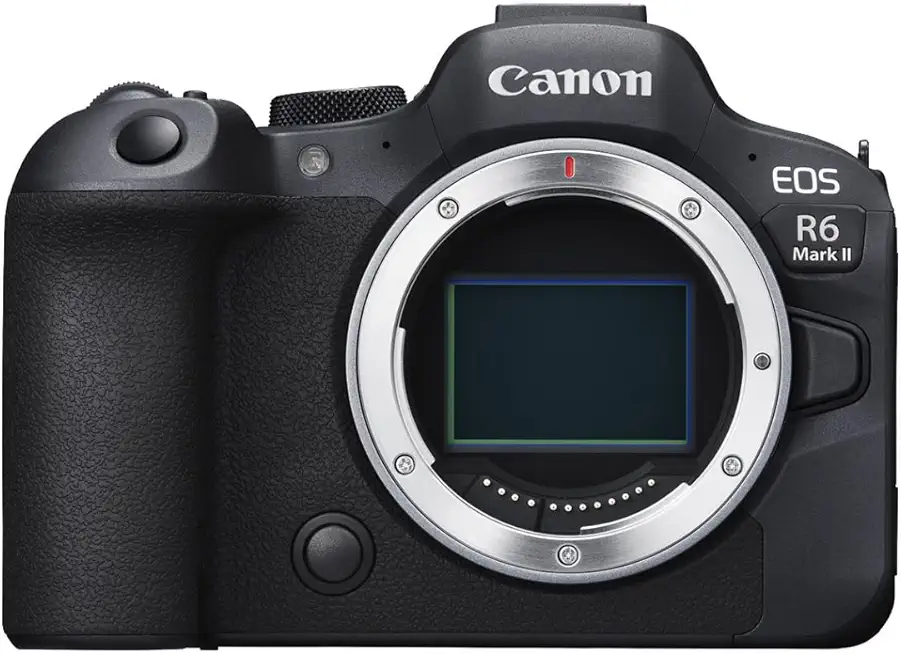
Canon EOS R6 Mark II Mirrorless Camera (Body Only)
Pro-level action and portrait shooter with blazing continuous frame rates, advanced autofocus, stabilized sensor, and impressive low-light capabilities.
Check PriceThe Canon EOS R6 Mark II is a real-world workhorse for video shooters who need reliable results out of the gate. It delivers uncropped 4K 60p from a full-frame 24.2MP sensor, which gives you true-frame width and cleaner low-light performance thanks to the sensor design.
Autofocus is the headline: Canon’s best-in-class hybrid autofocus sticks to subjects in almost all conditions, which means fewer missed moments during weddings, events or fast-action work. Pair that with an IBIS rated at 7–8 stops and you get remarkably steady handheld footage without over-relying on gimbals.
Practical workflow features make this camera easy to live with on long shoots — an intuitive, quick-to-learn menu system and long battery life reduce downtime and stress during multi-hour gigs. For most event pros the lack of internal RAW is not a dealbreaker, because the camera still outputs excellent 10‑bit color options and clean 4K that grades well.
There are trade-offs to consider. RF lenses can be expensive and third‑party options remain limited, so building a lens kit can be pricier than with other mounts. Also, if you need the absolute highest stills resolution or require internal RAW video for heavy post workflows, the R6 Mark II may feel constrained.
- Uncropped 4K 60p
- Best-in-class hybrid autofocus
- IBIS rated at 7–8 stops
- Long battery life
- RF lenses can be expensive
- No internal RAW video
5. Sony a1 Overview
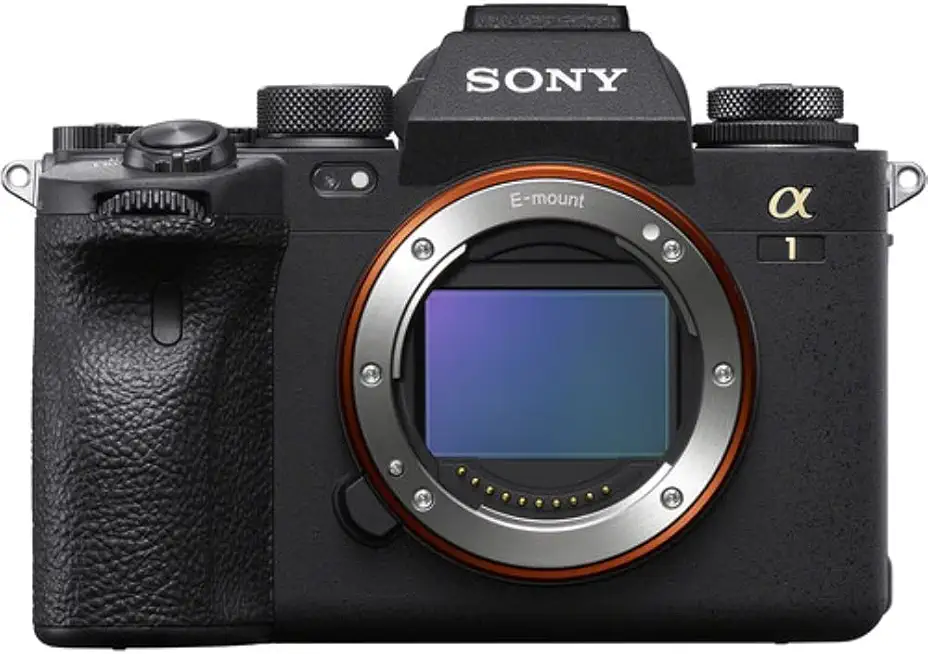
Sony Alpha 1 Mirrorless Camera
Flagship professional model combining ultra-high resolution, extreme burst speeds, top-tier autofocus, and 8K video for demanding imaging professionals.
Check PriceThe Sony a1 is a true flagship hybrid built around a 50MP sensor and serious video chops — it records 8K 30p and 4K 120p with internal 10‑bit 4:2:2, and it sports dual card slots for pro reliability. As a working photographer/videographer, you’ll appreciate that it combines high-resolution stills and high-frame-rate video in one body without obvious compromises.
Autofocus is a standout: fast, reliable with advanced subject tracking, so it sticks to moving subjects during events or commercial shoots. The body is pro-built and weather sealed, and overheating is well managed for long takes, which means fewer interruptions on location.
Where it really pays off is for high-end wedding, event and commercial work — the camera is used extensively by pros who need 50MP stills alongside 8K and 4K120p video for future-proof delivery. The vast E‑mount ecosystem and pro-level ergonomics make it a flexible tool on big productions.
Downsides are practical: it’s very expensive and produces huge files that can bog down editing and storage workflows, so you’ll need a robust post pipeline. Also, there’s no internal RAW video — you’ll need an external recorder for RAW capture — and the menus can feel complex and overkill if you’re not a full-time pro.
- 8K 30p and 4K 120p
- 50MP stills for high-end delivery
- 10-bit 4:2:2 internal recording
- Fast, reliable AF with advanced tracking
- Very expensive
- Huge file sizes can bog down workflows; no internal RAW
How to Choose a Full-Frame Video Camera

Choosing a full-frame video camera starts with one question: what will you shoot most? If you live in low light, prioritize sensor sensitivity and a body known for clean high-ISO performance. If you deliver wedding or event work, autofocus reliability and uncropped 4K modes will save shoots; if you grade heavily, codec and bit-depth matter more than megapixels.
Resolution and frame rates are more than numbers. Check whether 4K60 or 4K120 modes are full-frame or cropped — that crop can change your field of view and lens choices. If you plan heavy reframing or stabilization in post, open-gate, 6K or 8K options and internal RAW give headroom, but they also create massive storage and processing needs.
Color and codec choices determine how far you can push footage. I look for internal 10-bit 4:2:2 recording and a proper Log profile for grading; ProRes or internal RAW simplifies high-end workflows and preserves latitude. If you don’t need intense grading, efficient H.264/H.265 is easier to edit and still produces excellent results for many projects.
Autofocus and stabilization are the practical side of shooting. Phase-detect AF with strong subject tracking keeps you in focus during run-and-gun work, while IBIS paired with stabilized lenses makes handheld shooting viable. Always test AF in the kinds of lighting and movement you’ll face — a lab spec rarely tells the whole story.
Don’t forget ergonomics, audio and limits. Comfortable grips, reliable battery life, mic and headphone jacks, full-size HDMI, and dual card slots are the small things that make long shoots bearable. Also check continuous recording behavior and heat management if you do long takes or event coverage.
Ultimately, match the camera to your workflow and budget. Pick the features you’ll actually use, then invest the rest in lenses, audio, batteries and fast cards. If possible, rent or handle bodies before buying — hands-on use reveals what specs alone can’t.
Essential Accessories for Full-Frame Video
Packing the right accessories will make your full-frame mirrorless camera sing. Audio is often the first thing I add: a lightweight shotgun for camera-mounted work, and a wireless lav system for interviews or run-and-gun. For multi-camera shoots and longer projects, a portable recorder and a timecode/sync solution save you hours in post.
Stabilization matters more with full-frame glass because that shallow depth of field shows every movement. Invest in a sturdy tripod with a fluid head for locked shots, and a gimbal rated for full-frame bodies when you need smooth motion. Monopods and a solid hand strap are underrated for fast-paced event work.
Don’t skimp on monitoring. A field monitor with peaking, zebras and waveform lets you nail exposure and focus far better than the camera screen. If you plan to grade, choose a monitor with false color and a bright, daylight-viewable panel.
Lighting transforms video faster than any camera upgrade. Portable LED panels with adjustable color temp and simple softboxes give you control on location. Learn to shape light with small modifiers and reflectors—good lines and soft catchlights beat brute power.
Media and power are the unsung heroes. Use V60 or V90 cards for 10-bit, ProRes and RAW modes and keep dual-slot backups rolling during important shoots. Carry multiple fully charged batteries and a USB-C external power bank for long days; camera batteries drain faster when recording high bitrates.
Optics and protection round out the kit. Fast lenses demand ND filters so you can maintain the 180-degree shutter rule and keep that cinematic motion blur. Keep a set of step-up rings if your lenses have mixed filter threads, and protect everything in a modular case with weather protection.
Finally, sort your cables and adapters before you leave. Lockable HDMI cables, right-angle power connectors and spare adapters avoid unexpected disconnects. Small prep now prevents big headaches on set.
What People Ask Most
What is the best full-frame mirrorless camera for video?
There is no single best camera—choose based on priorities like low light, resolution, or lens ecosystem. Popular options include the Panasonic Lumix S5 II for cinematic color, the Sony A7S III for low light, the Nikon Z6 III for internal raw workflows, the Canon EOS R6 Mark II for autofocus, and the Sony a1 for flagship performance.
Which full-frame mirrorless camera has the best autofocus for video?
The Canon EOS R6 Mark II is described as best-in-class for hybrid autofocus and reliable subject tracking. Sony models like the a1 and A7S III also offer very strong, fast autofocus performance for video.
Which full-frame mirrorless camera is best for filmmaking?
It depends on your workflow: the Panasonic Lumix S5 II is praised for cinematic color, the Nikon Z6 III offers internal raw options for flexible post, and the Sony A7S III is favored for low-light filmmaking. The Sony a1 serves high-end productions that need top-tier resolution and video specs.
What full-frame mirrorless camera has the best low-light performance for video?
The Sony A7S III is widely regarded as the industry gold standard for low-light video. Other bodies like the Canon EOS R6 Mark II and Nikon Z6 III also perform very well in challenging lighting.
Which full-frame mirrorless camera offers the best in-body stabilization for video?
The Nikon Z6 III is highlighted for leading in-body stabilization and strong handheld performance. The Canon EOS R6 Mark II and Panasonic Lumix S5 II also provide excellent IBIS, while Sony bodies deliver reliable stabilization as well.
What are the best full-frame mirrorless cameras for 4K video?
For high-frame-rate 4K without cropping, the Sony A7S III is a top choice, while the Canon EOS R6 Mark II is noted for uncropped 4K options. Other cameras in the roundup deliver strong 4K performance with varying crop and codec trade-offs to consider.
Which full-frame mirrorless camera is best for professional video production?
The Sony a1 and Sony A7S III are widely used by professional videographers for demanding productions. Cameras like the Nikon Z6 III and Panasonic Lumix S5 II offer pro codecs and ergonomics at more accessible price points, and the Canon EOS R6 Mark II is a solid choice for event professionals who need dependable autofocus and battery life.
Conclusion for Full-Frame Mirrorless Video Cameras
Choosing the right full-frame mirrorless camera for video comes down to clear trade-offs—prioritize low-light performance, resolution, autofocus, stabilization or a broad lens ecosystem based on the projects you shoot.
Match the body to the job: the Lumix S5 II leans toward value and cinematic color, the Sony A7S III excels in low light and high-frame-rate work, the Nikon Z6 III appeals for internal RAW and day-long ergonomics, the Canon R6 Mark II suits event shooters who need rock‑solid AF, and the Sony a1 is a no‑compromise flagship for pro hybrid work.
Also weigh practical factors like codecs, recording limits, battery life and accessory workflows, since these often shape real-world shoots more than headline specs.
To keep improving your skills and workflow, read more articles on our site for practical tips, side-by-side thinking and deeper explanations tailored to video shooters.
Have questions or want to share your experience with any of these cameras? Leave a comment below — we usually reply within a few hours.





0 Comments