
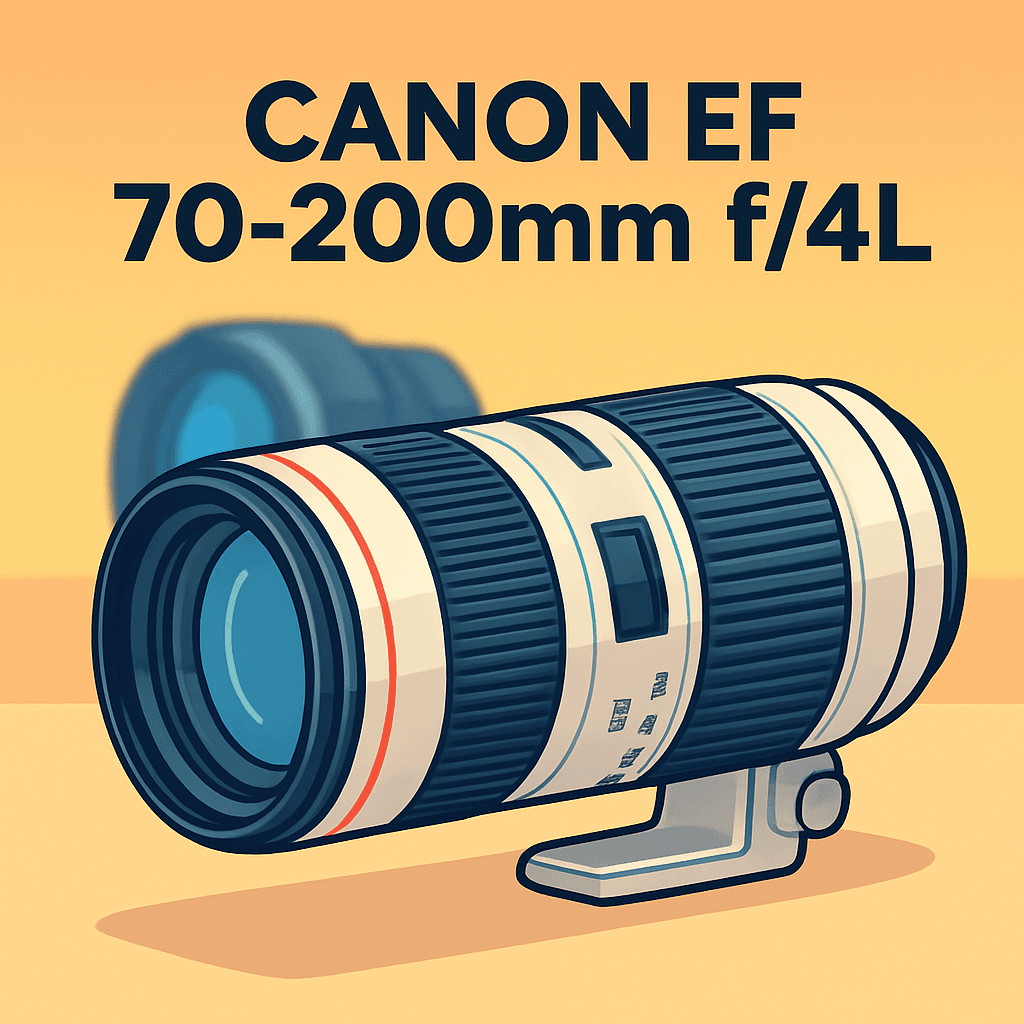
Want pro-level telephoto shots without lugging a heavy lens? If you’re choosing between portability and performance, this lens often sits in that sweet spot.
The Canon EF 70-200mm f/4L USM is a lighter L-series tele zoom with a constant f/4 and quick USM autofocus. It does lack image stabilization, so technique matters in low light.
It’s ideal for outdoor portraits, travel, and events in good light where portability matters. Having used it in the field, I noticed the optics deliver strong contrast and punch.
I’ll walk through handling, sharpness, autofocus, and the practical trade-offs to help you decide. Make sure to read the entire review as I unpack where this lens shines — keep reading.

Canon EF 70-200mm f/4L USM
Lightweight constant-aperture telephoto delivering sharp, contrast-rich images across the frame. Fast, nearly silent ring-type autofocus and smooth bokeh make it ideal for portraits, events, and travel shooting.
Check PriceThe Numbers You Need
| Spec | Value |
|---|---|
| Focal Length | 70-200mm |
| Lens Type | Telephoto Zoom |
| Aperture | f/4 |
| Constant Aperture | Yes |
| Mount | Canon EF |
| Lens Construction | 16 elements in 13 groups |
| Image Stabilization | No |
| Ultrasonic Motor | Yes |
| Weight | Approximately 705g |
| Minimum Focus Distance | 1.2m |
| Maximum Diameter | 76mm |
| Length | 172mm |
| Lens Material | Metal and plastic |
| Lens Coatings | Super UD and UD elements |
| Hood | ET-74 lens hood (supplied) |
How It’s Built
In my testing the Canon EF 70-200mm f/4L USM feels like a proper L-series lens — a smart mix of metal and tough plastic that just works in the field. It has that reassuring fit and finish that makes you trust it when you’re out shooting all day. For a beginner that means it won’t feel toy-like or fall apart after a season of travel.
The optical layout uses premium glass elements to keep colors and contrast punchy and to tame color fringing. Because there’s no image stabilization the barrel stays clean and simple with fewer switches to confuse new users. In practice that means it’s lighter and easier to carry, but you’ll want support or faster shutter speeds in lower light.
Handling is a highlight — I found the balance on smaller camera bodies very comfortable for handheld work. The zoom moves smoothly with a sensible amount of resistance, and the focus ring is precise enough for quick manual tweaks. One thing I really liked was its compact, travel-friendly feel, and one thing that could be better is the lack of stabilization for dim-light shooting.
After using it for a while the hood proved effective at cutting stray light and tucks away for carrying. The build stood up to regular outdoor use without fuss, so beginners can shoot without worrying too much about rough handling. Overall it’s a solid, easy-to-use lens that rewards practical technique.
In Your Hands
With no image stabilization, handheld shooting at long reach demands deliberate technique. I found that shooting in good light with brisk shutter speeds or bracing against something keeps images usable; otherwise a monopod or tripod becomes the practical companion for slower light. Raising ISO is a sensible trade when mobility matters.
For portraits, travel telephoto work and outdoor events, the lens delivers the kind of compression and subject separation you’d expect from a short tele zoom while feeling portable on a long day. Sports in bright conditions are within reach thanks to snappy AF and steady balance, but dim indoor contests expose the aperture and lack of stabilization. Landscapes benefit from the optical design’s clarity when mounted on support.
The relatively close focusing limit prevents extreme close‑ups, so I often step back and crop or use a mild close‑up adapter to tighten framing when needed. At the long end the lens excels at isolating subjects against soft backgrounds, making it a solid choice for environmental portraits and detail shots where foreground separation matters.
Coatings and UD elements control flare well in high-contrast backlight, retaining punchy contrast and faithful color without heavy post correction; strong sun angles can still introduce soft veiling if you’re careless, which is where the supplied hood earns its keep. Files respond well to modest sharpening and retain pleasing microcontrast that helps textures and skin tones pop.
The Good and Bad
- Constant f/4 aperture across 70–200mm
- L-series construction and optical design with Super UD and UD elements
- USM autofocus
- Moderate weight and compact form for a 70–200mm (approx. 705g, 172mm length)
- No image stabilization
- f/4 limits light intake versus faster telephotos, requiring higher shutter speeds or support in low light
Ideal Buyer
If you prize walkaround weight and optical pedigree, this is for you. The Canon EF 70-200mm f/4L USM balances L-series build and constant f/4 aperture in a notably light package. It’s aimed at photographers who prefer to carry a serious telephoto without the bulk of faster, heavier 70–200 options.
Travel shooters and outdoor portrait photographers will appreciate the compact size and dependable USM autofocus. It excels when light is plentiful or when you’re comfortable using higher shutter speeds, higher ISO, or a monopod for support. For events in well-lit venues it offers fast, accurate framing without tiring your neck.
Enthusiast and pro shooters who want Canon L optics but prioritize portability will find this lens appealing. Landscape photographers who use compression at longer focal lengths will enjoy the contrast and microcontrast from Super UD elements. If you favor sharpness and handling over low‑light reach, this lens fits neatly into a lightweight kit.
Avoid this lens if handheld low‑light work without support is a frequent need. If you routinely shoot dim interiors, weddings, or long telephoto handheld sequences, consider the IS version or stabilized third‑party alternatives. Otherwise this f/4L is a smart compromise between size, speed, and pro‑grade optics.
Better Alternatives?
We’ve gone over the Canon EF 70-200mm f/4L USM and what it does best: a light, well-built L-series zoom with good optics and fast USM focus, but without image stabilization. That makes it a great choice when you travel or shoot in good light, but it can force you to use faster shutter speeds, a monopod, or higher ISO when light falls away.
If you want the same focal range and image quality but with different trade-offs — like built-in stabilization, extra reach, or a lower price — there are solid options. Below I’ll walk through a few I’ve used in the field and tell you what they do better and worse than the Canon, and who will prefer each one.
Alternative 1:
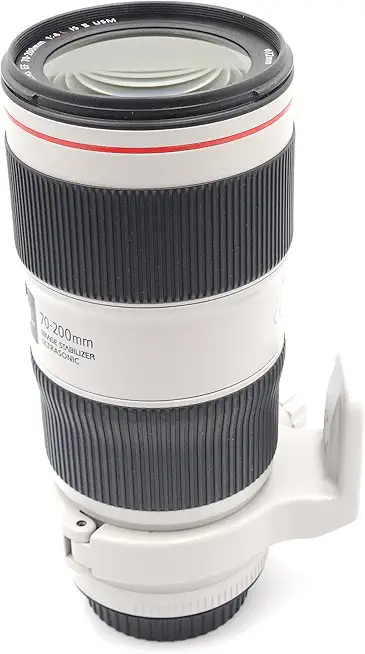
Canon EF 70-200mm f/4L IS II USM
Advanced stabilized telezoom with constant f/4 brightness and refined optics for improved sharpness. Powerful image stabilization enables steady handheld shots in low light; responsive autofocus supports active shooting situations.
Check PriceI’ve used the IS II in the field and the biggest real-world win over the non-IS Canon is the image stabilization. Handheld at dusk or inside a dim venue it lets you shoot at much slower shutter speeds without obvious blur, so you get usable files where the non‑IS version would require a tripod or much higher ISO. Optically it also feels a touch crisper across the frame, and the IS lets you keep the L-series look while being more flexible.
The trade-offs are clear when you pick it up: it’s heavier and a bit bulkier than the non‑IS 70‑200 f/4, and it costs noticeably more. The extra weight matters on long walks or when you want the lightest travel setup. Also, the added switches and mechanics for IS change the balance in hand — not a deal breaker, but worth noticing if you loved the simple feel of the non‑IS lens.
Buyers who should choose this are people who want the Canon look and autofocus but also need real handheld flexibility: travel shooters who don’t want a tripod, wedding or event shooters in mixed light, and anyone who wants a workhorse 70‑200 with IS. If you rarely shoot in lower light and prize the lightest kit, the non‑IS Canon still makes sense.
Alternative 2:
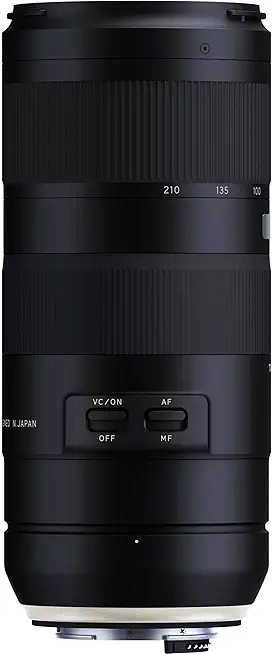
Tamron 70-210mm f/4 Di VC USD Nikon F
Compact, affordable constant-aperture telephoto offering stable, sharp results across the zoom range. Built-in vibration compensation and a fast, quiet focusing motor deliver reliable handheld performance for travel and wildlife.
Check PriceOut in the real world the Tamron surprised me with how much it gives for the money. Compared to the Canon non‑IS, the Tamron’s VC (vibration compensation) lets you shoot handheld in lower light the Canon would struggle with. It also stretches to 210mm, so you get a little extra reach for portraits or distant subjects, and it comes at a much lower price.
Where it falls short versus the Canon is in overall polish. The build feels good but not quite L-series tough, and the microcontrast and out‑of‑camera look aren’t as refined — files can need a touch more post to match the Canon’s pop. Autofocus is generally quick and quiet for single shots, but I’ve seen it lag a little or hunt more in low contrast or fast-action situations compared with Canon’s USM.
This Tamron suits buyers on a budget who still want constant f/4 and stabilization: travel photographers, hobbyists, or anyone who wants extra reach without buying a bigger lens. If you need the absolute best weather sealing, the fastest action tracking, or the Canon color and microcontrast straight from camera, you’ll miss the Canon’s edge.
Alternative 3:
Tamron 70-210mm f/4 Di VC USD Nikon F
Full-frame compatible telephoto zoom with constant f/4 delivering consistent exposure and pleasing bokeh. Reliable vibration compensation, fast silent-drive autofocus, and compact form factor create a versatile, budget-friendly workhorse.
Check PriceUsed on a few trips and shoots, the Tamron also impressed with its handling and size. It’s compact for a 70–210 and balances well on lighter bodies, making it easier to carry all day than the heavier IS Canon. The VC is dependable and gives you confidence when shooting handheld at slower speeds — something the non‑IS Canon simply can’t do without extra support.
That said, if you’re a pixel-peeper or a pro who needs top-tier corner-to-corner sharpness and weather resistance, the Tamron doesn’t quite match the Canon 70‑200 f/4L in those areas. The bokeh is pleasant and usable, but the rendering and contrast are a touch different; in strong backlight you may deal with flare or lower contrast more often than with the Canon L glass.
Choose this version of the Tamron if you want a compact, stabilized zoom that keeps costs down and adds reach — great for travel, wildlife from a distance, and shooters who need IS without the Canon price. If you’re after the classic Canon L feel, the lightest possible lens, or the fastest AF tracking, stick with the Canon 70‑200 f/4L or step up to the IS Canon option instead.
What People Ask Most
Is the Canon EF 70-200mm f/4 L a good lens for portraits?
Yes — its focal length and sharp optics give flattering compression and subject separation, making it great for headshots and mid-length portraits.
How sharp is the Canon EF 70-200mm f/4 L across the zoom range?
Very sharp overall, especially around f/5.6–f/8; there can be slight softness at 200mm wide open but image quality remains excellent.
What is the difference between the Canon EF 70-200mm f/4 L and the f/2.8 version?
The f/2.8 version gives a brighter aperture, shallower depth of field and better low-light performance, while the f/4 is lighter, cheaper and still very sharp.
Does the Canon EF 70-200mm f/4 L have image stabilization?
Some f/4 L models include IS, but the older/non-IS f/4 L exists — check the lens barrel for the “IS” marking before you buy.
Is the Canon EF 70-200mm f/4 L weather sealed and durable?
Yes, as an L-series lens it has robust construction and weather-resistant seals, though it’s not fully waterproof for submersion.
Is the Canon EF 70-200mm f/4 L worth buying used?
Often yes — it’s a great value used if the glass is clean, the zoom and focus are smooth, and there’s no fungus or heavy wear on the mount.
Conclusion
The Canon EF 70-200mm f/4L USM is a clear-minded compromise between pro optics and everyday practicality. It pairs L-series optical pedigree with a constant-aperture telephoto zoom and responsive USM focusing. The trade-off is straightforward and honest.
In the field it rewards careful shooters with excellent sharpness, contrast and color rendition. It renders subject separation cleanly and feels lighter than many pro telephotos. The hood and handling make it easy to work with for long sessions.
But it asks you to accept limitations: no image stabilization and a modest aperture for low light. That means relying on faster shutter speeds, higher ISOs, or support when light fails. Close-up flexibility is useful but not a standout here, so framing choices matter more.
If you travel, shoot outdoors, or want a lighter walkaround telephoto this lens is a compelling option. It’s especially attractive to photographers who prioritize agility over every last stop of light. But shooters who routinely need handheld low-light performance should look to stabilized alternatives instead.
My take is blunt: as a lighter, optically honest 70–200 this lens earns a strong recommendation for the right user. If portability, consistent optics and fast USM focusing matter more than built-in stabilization, buy it without hesitation. Otherwise, favor a stabilized sibling if you expect to shoot a lot handheld in difficult light.
Canon EF 70-200mm f/4L USM
Lightweight constant-aperture telephoto delivering sharp, contrast-rich images across the frame. Fast, nearly silent ring-type autofocus and smooth bokeh make it ideal for portraits, events, and travel shooting.
Check Price


0 Comments