
What is a commercial photographer — and why do brands pay them to shape how we shop?
A commercial photographer creates images businesses use to sell or promote products, services and brands. They work to brief, license images for specific uses, and solve client goals more than create art for art’s sake.
This article explains the role and shows the full workflow from brief to delivery. You will also see common shoot types, essential gear and post‑production steps, plus how licensing affects price.
Read on for practical tips to hire the right pro or to move into commercial work yourself. We include checklists, templates and real‑world examples to make it easy to act.
What is a Commercial Photographer?
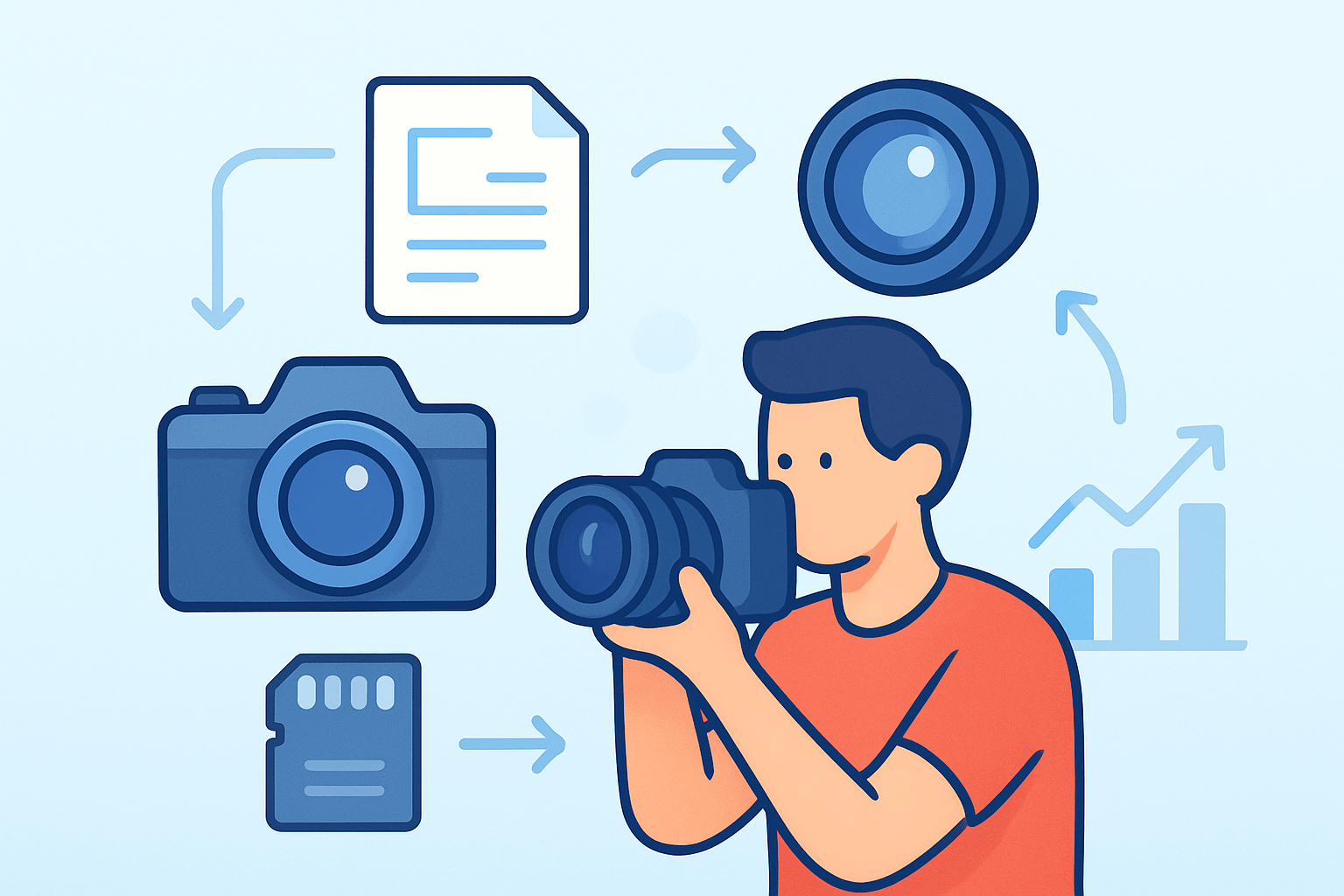
A commercial photographer creates client-driven images designed to sell or promote products, services, or brands. The photos are licensed for specific uses across ads, packaging, web, and more.
If you are asking what is a commercial photographer, think of purpose first. Their goal is persuasive communication, not pure storytelling or personal expression.
That difference separates commercial vs editorial work. Editorial supports articles and news with contextual images, while fine-art pursues personal vision and gallery sales. In commercial assignments the client’s needs often guide creative choices.
Common clients include brands, agencies, e‑commerce stores, restaurants, real estate teams, and corporate communications departments. Uses range from product pages and social campaigns to billboards, catalogs, menus, and investor decks.
Licensing sits at the heart of the commercial photography definition. You do not sell the file outright; you grant rights by placement, geography, duration, and exclusivity, and usage is what drives price.
That is why a single image can appear on a website, a box, and a bus shelter under different licenses. If you want a deeper primer on scope and channels, you can explore commercial photography to see how use cases map to media plans.
Behind-the-scenes visuals tell this story well. Picture a hero BTS shot of a lighting setup and a small infographic comparing commercial vs editorial goals, approvals, and rights.
What Does a Commercial Photographer Do?
The workflow is structured yet creative. It usually moves from brief and concept to pre‑production, production, post‑production, and finally delivery with licensing.
Process starts with a client brief. The photographer clarifies objectives, audience, brand voice, and success measures, then proposes concepts and art direction.
Moodboards and shot lists follow. Reference images align taste, while shot lists define angles, props, talent, and priority frames.
Pre‑production also covers locations, casting, and logistics. Scouting ensures access, light, and power, while casting assures the right faces and hands for the brand.
Budgeting and scheduling round it out. The plan maps crew, gear, permits, catering, and buffers so the day runs on rails.
On set, studio work offers control and repeatability. Location work adds scale and texture but demands contingency plans for weather, noise, and power.
Typical teams include the photographer, assistant or digital tech, stylist, hair and makeup, and an art director or client rep. Lighting setups evolve from key and fill to more complex grids as shots demand.
Time is managed in blocks. Each setup gets a pre‑light, test frames, and a firm window before moving to the next priority.
Post‑production begins with culling and color correction. Retouching follows for dust, wrinkles, skin, and compositing when creative needs exceed reality.
Proofing rounds bring client feedback. Files are then prepared for print, web, and social, with crops and color profiles set to spec.
Deliverables vary by job. Web-optimized JPEGs, high‑res TIFFs or layered PSDs, and social crops are common, with naming and folder structures agreed in advance.
Administrative duties are part of the job. Contracts, model and property releases, insurance certificates, and clear invoices protect both sides.
Usage and license management continues after delivery. Renewals, exclusivity checks, and archive pulls keep images compliant and valuable.
A typical one‑day timeline starts early with load‑in and pre‑light. Mid‑morning sees first frames, midday pivots to secondary angles, late afternoon wraps with backups, and evening sends a same‑day preview.
An on‑set checklist helps. It notes battery cycles, tether checks, white balance targets, hero prop continuity, and a final “backup twice before leaving” reminder.
So, what does a commercial photographer do? They translate business goals into images through planning, craft, teamwork, and careful delivery.
Types of Commercial Photography
Specialization matters because each genre demands different skills, gear, and budgets. The types of commercial photography below show how purpose shapes technique and deliverables.
Product photography focuses on clean packshots and 360s. Expect white backgrounds, precise reflections, and focus stacking, with the deliverable aimed at e‑commerce conversion.
Lifestyle product work blends studio control with staged scenes. It pairs items with models and environments to tell a story that signals fit, feel, and aspiration.
Food and beverage shoots move fast to capture steam, sheen, and texture. A food photographer coordinates with a stylist so dishes read fresh and irresistible on menus and ads.
Fashion and apparel assignments hinge on casting, styling, and retouching. The image sells attitude and detail while staying true to fabric and brand codes.
Corporate and headshot sessions emphasize consistency and throughput. A corporate photographer builds a repeatable setup that stays uniform across teams and offices.
Architecture, interiors, and real estate require perspective control and often HDR. The goal is clean lines, true color, and a sense of space that drives bookings or sales.
Automotive work manages scale and reflections. Specialized rigs, polarizers, and compositing help shape glossy, dynamic images for launches and catalogs.
Advertising and brand campaigns carry higher concepts and bigger crews. The aim is memorability and cohesion across print, out‑of‑home, and social.
If you want a broader overview of genres and planning notes, this complete guide can help you compare approaches and production needs.
Skills, Equipment & Post‑Production
Great commercial work sits at the intersection of craft and organization. Skills needed for commercial photography start with lighting, composition, and color control.
Lighting fluency with strobes and continuous sources is essential. You learn to shape highlights, tame reflections, and meter scenes for repeatable results.
Color management keeps brands accurate. Tethering to a calibrated display, using a color checker, and building profiles reduce surprises across devices and print.
Software drives speed and polish. Capture One or Lightroom handles tethering and culling, while Photoshop manages retouching, masking, and compositing for final polish.
Commercial photography equipment usually includes a primary camera and a backup. Core lenses might be 24‑70, 70‑200, fast 50 or 85, macro for detail, and tilt‑shift for architecture.
Strobes with modifiers, sturdy tripods, a tethering laptop, grip gear, and flags round out a small set. For product work, a turntable and a cyclorama or shooting table add consistency.
File workflow matters as much as gear. Use clean naming, immediate on‑set backups, the 3‑2‑1 rule for storage, and version control for retouched files.
Business and soft skills support the craft. Clear communication, quick interpretive notes on briefs, and basic negotiating for licensing make smoother projects.
Training never stops. Workshops, mentoring, and peer groups help you refine lighting, bids, and post‑production commercial photography techniques as trends shift.
Before each shoot, run a tethering and color‑check pass. A short studio kit checklist also keeps batteries, cards, clamps, gaffer tape, and backups ready to go.
How to Hire & Work with a Commercial Photographer — Practical tips (clients & photographers)
This section serves both sides. It gives businesses clear steps to hire a commercial photographer and gives photographers tools to deliver consistent results.
Start with a brief that states objective, audience, brand rules, references, deliverables, intended usage, and timelines. A budget range helps align scope and expectations early.
Evaluate portfolios for genre relevance and consistency. Look for lighting control, retouch quality, and examples of problem solving under pressure.
Ask about availability, crew, studio or location costs, retouch levels, file types, licensing terms, insurance, cancellation policy, and turnarounds. Clarity here prevents scope creep later.
Budgeting works best when you separate production and licensing. Request an itemized estimate that lists photographer, assistants, talent, styling, studio, retouching, travel, and usage fees.
Define approval rounds before the shoot. Note how many proof rounds are included and how out‑of‑scope changes will be quoted.
Watch for red flags like vague license terms or a portfolio that does not match your genre. No contract is also a warning sign for both sides.
Photographers should prepare client‑ready assets. Build a focused portfolio, a rate sheet that splits production and usage, contract and license templates, and a short pre‑shoot questionnaire.
For pricing, separate your time and team from licensing scope. Use a simple calculator or checklist to weigh usage type, territory, duration, and exclusivity.
Keep your client workflow crisp. Confirm the brief, get moodboard and shot list sign‑off, take on‑set notes, and set a clear delivery schedule and invoice plan.
Protect your work with signed releases, insurance, and cancellation terms. Add late‑pay policies so cash flow stays predictable.
Marketing grows with steady outreach. Build case studies, pitch agencies with small test ideas, and measure image performance with A/B testing and tracked conversions when possible.
Here is a short case study. A local coffee roaster needed packshots and three lifestyle frames, and after a well‑planned half‑day set, they told us, “The photos finally match our taste notes.”
To help both sides, plan a few simple assets. Create a one‑page brief template, a 10‑question pre‑shoot checklist, a shot‑list template, a usage license summary, and a model or property release checklist.
If you need a plain‑English overview while scoping your first job, this commercial photographer article lays out the basics in simple terms.
When you ask yourself what is a commercial photographer, remember it is a partner who balances creativity with logistics. Hire for fit and clarity, and your images will work as hard as your brand.
What People Ask Most
What is a commercial photographer?
A commercial photographer creates photos to promote products, services, or brands. They focus on images that help sell or explain things to customers.
How can a commercial photographer help my business?
They deliver professional images that attract customers and build credibility. Good photos can improve marketing and boost sales.
What types of projects does a commercial photographer work on?
They shoot product photos, food, fashion, corporate headshots, and lifestyle images for ads and websites. Basically any photo used to market or explain a business.
Do I need to provide a brief or can the photographer guide the creative direction?
You should provide a brief, but most commercial photographers will also suggest creative ideas and improvements. Collaboration helps reach your goals faster.
How long does a typical commercial photo shoot take?
Small product shoots may take an hour while larger campaigns can take a full day or more. Your photographer will give a time estimate based on the project’s scope.
What should I look for when hiring a commercial photographer?
Look for a strong portfolio, experience with similar projects, and clear communication about deadlines and usage rights. A written agreement helps prevent misunderstandings.
Can a commercial photographer help with images for social media and e-commerce?
Yes, they can create images optimized for social platforms and online stores to improve engagement and conversions. Professional photos make listings and posts look more trustworthy.
Final Thoughts on Commercial Photography
Remember the opening hook that asked what makes a picture sell? This guide answers that by giving a clear, practical roadmap to plan, shoot, and license images that actually meet business goals — clarity of brief to final file. Think of 270 as a simple reminder: craft, communication, and the right usage terms unlock value.
The core benefit is that you’re not just getting beautiful photos but a repeatable workflow that turns concepts into measurable results. A realistic caution: don’t underestimate licensing and prep — usage equals price, and skimping on briefs or releases costs time and money. Brands, ad teams, and photographers will get the most from this approach.
We traced the full journey from brief to delivery so you can tackle your next shoot with confidence. Keep experimenting and refining — the images you make next could be the ones people remember. You’ll learn more each time you shoot.


0 Comments