
What is point and shoot camera — and could it be the easiest way to take great photos without learning complex settings?
This article explains in simple words what a point and shoot camera is and how it works. You will learn the key features, common types, and when one beats a smartphone or a bigger camera.
We break down what matters when buying: sensor size, zoom, stabilization, video, and battery life. You’ll get a clear buying checklist and simple tips for travel, family shots, and vlogging.
By the end, you’ll know when to pick a point and shoot camera and which features matter most. Ready to find the right compact for your next adventure?
What is a Point and Shoot Camera?
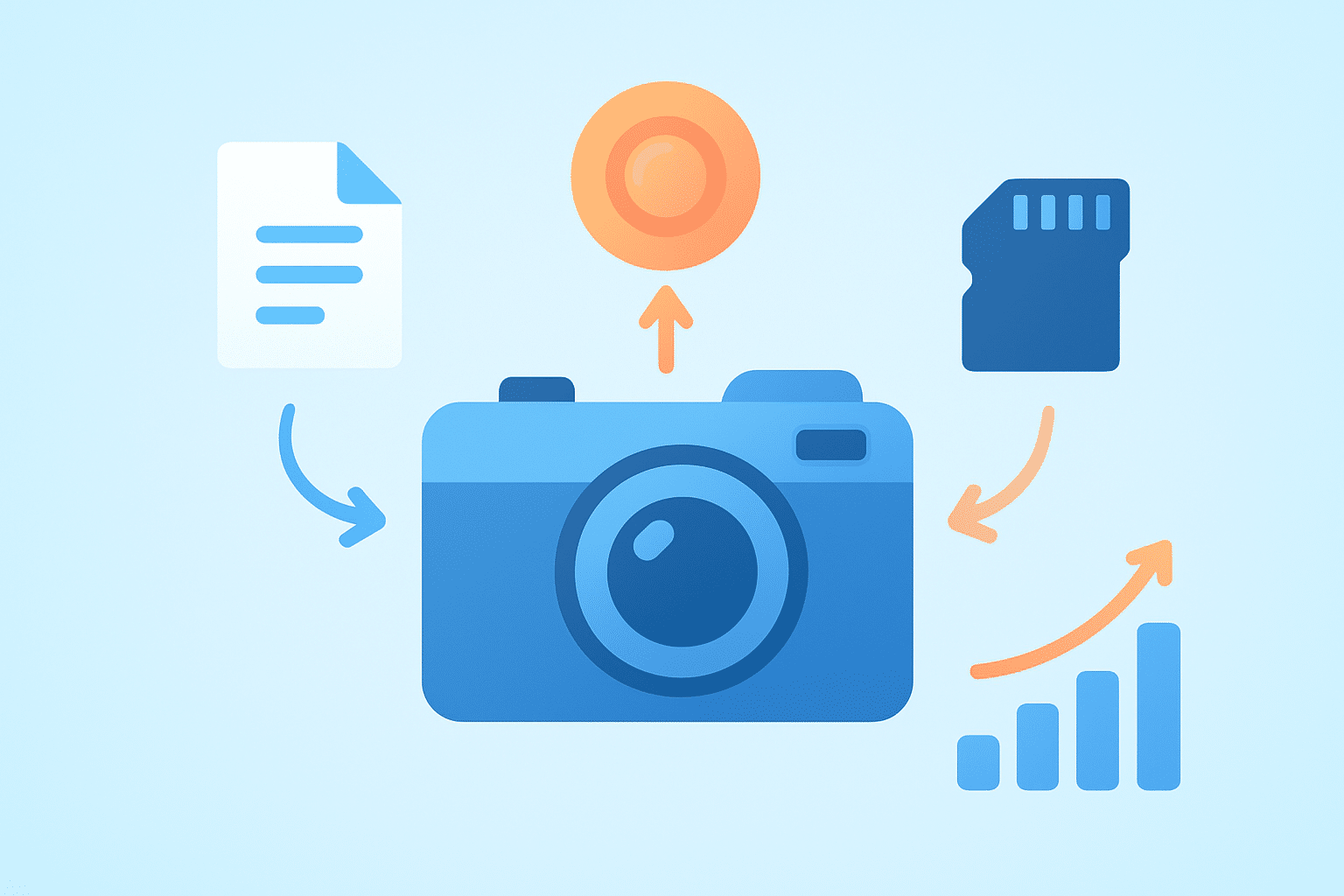
If you’re wondering what is point and shoot camera, here’s the simple answer: it’s a compact camera with a built‑in lens that handles most settings automatically so you can press the shutter and get a photo fast. You don’t change lenses, and the camera takes care of focus and exposure.
The core idea is ease. A point‑and‑shoot is small, has a fixed or integrated zoom lens, and uses automatic exposure and autofocus to make photography as simple as pointing and clicking. Many models still include scene modes or a basic Program mode for a bit more control.
People use them for travel snapshots, family events, school plays, and casual everyday photography. Some models also work for quick vlogs, thanks to good autofocus and a flip screen. You can keep one in your jacket or bag and never miss a moment.
The short pros and cons are clear. Pros: very easy to use, portable, real optical zoom, and better ergonomics than a phone. Cons: smaller sensors than big cameras, fewer manual controls, and limited upgrade paths because the lens is fixed.
Compared with smartphones, a compact gives you true optical zoom and usually steadier handling. Compared with mirrorless or DSLR systems, it’s lighter, simpler, and cheaper, but it can’t match their low‑light performance or creative flexibility.
If you want a concise reference, this definition sums up the term well, while the rest of this guide shows how the cameras work, what features matter, and who they suit best in 2026.
How Point and Shoot Cameras Work
Inside every compact is a straightforward pipeline: light passes through the built‑in lens, hits the image sensor, and is processed by an internal chip that creates a JPEG or RAW file. The camera meters the scene, chooses exposure, focuses, and writes the photo to the memory card.
Autofocus on most point‑and‑shoots relies on contrast‑detect, which looks for sharpness changes on the sensor. Some newer models use hybrid systems that add phase‑detect pixels on the sensor for faster, stickier focus, especially helpful for moving kids, pets, and casual sports.
The lens is either a fixed focal length or an integrated zoom. Fixed‑lens compacts are rare but offer sharpness and speed in a tiny body. Zoom compacts cover ranges like 24–70mm for everyday use or much longer reach for travel and wildlife.
Optical zoom physically changes the lens’s focal length to bring subjects closer without losing detail. Digital zoom simply crops and enlarges the image, which reduces quality. Use optical zoom whenever possible and leave digital zoom off for the cleanest results.
Sensors vary from small 1/2.3‑inch chips to larger 1‑inch sensors and, in premium cases, even bigger. Larger sensors capture more light, which means cleaner photos at higher ISOs, better dynamic range, and smoother tones. The trade‑off is usually a bigger body and higher price.
Image stabilization helps keep shots sharp when your hands move or when shutter speeds drop. Optical stabilization shifts lens elements, sensor stabilization moves the sensor itself, and electronic stabilization crops and adjusts frames, mainly for video. Some cameras combine methods for steadier handheld shooting.
The basic shooting flow is simple. Turn the camera on, half‑press the shutter to lock autofocus and exposure, then press fully to capture. Scene modes choose settings for portraits, night scenes, or action, while Program mode balances ease and control; a few models add full manual for learning.
JPEG engines apply color, sharpening, and noise reduction in‑camera, which is perfect for quick sharing. Premium compacts often allow RAW files if you want to edit with more latitude. For background and history, the point-and-shoot camera category spans decades, but the modern versions are faster, smarter, and more connected. People who ask what is point and shoot camera are really asking how a small camera makes smart choices for them, and this is the essence.
Key Features to Know (and why they matter)
Start with zoom range because it defines what you can frame. A compact listed as 24–120mm equivalent covers wide landscapes through short telephoto for portraits, while a 24–600mm equivalent reaches birds, sports, and distant details. Longer zooms are great for travel, but they often have slower maximum apertures.
Aperture tells you how much light the lens can gather at a given focal length. A lower f‑number like f/1.8 lets in more light for lower ISO and softer backgrounds, while f/6.3 or f/8 needs more light. Remember, aperture works with sensor size, so bigger sensors give a shallower depth of field at the same f‑number.
Sensor size is a major quality lever. A 1‑inch sensor will usually beat a 1/2.3‑inch sensor in low light, color depth, and dynamic range. If you plan to shoot indoors or at dusk without flash, favor the largest sensor you can reasonably carry and afford.
Stabilization matters for handheld shots in dim rooms or at long zoom. Effective optical or sensor stabilization lets you use slower shutter speeds without blur, which in practice means sharper photos at night and smoother handheld video. Look for real‑world claims, not just marketing terms.
Autofocus speed and tracking quality can make or break family and pet photography. Face and eye detection improves hit rate for portraits, while subject tracking is handy for toddlers or dogs running across the yard. If you shoot action, try the camera in burst mode and watch how many shots are sharp.
Video features can turn a compact into a pocket vlogging tool. 4K is sharper than 1080p, and higher frame rates like 60p help with motion. A flip screen is crucial for framing yourself, and a microphone input can raise audio quality dramatically, though not all models include one.
Connectivity keeps your workflow smooth. Built‑in Wi‑Fi or Bluetooth enables quick transfers to your phone, while USB‑C charging lets you top up with a power bank on the go. For storage, look for SD card compatibility, and if you plan heavy editing, RAW support is a big plus.
Battery life varies widely, so check the rated shot count and consider a spare. Build quality also matters. Some compacts are tough and water‑resistant for beach trips or hikes, and rugged models are designed to survive drops, dust, and dives without a housing.
Watch for red flags that can hurt results. A tiny sensor paired with a very high megapixel count often means noisy photos in low light, cameras that advertise only digital zoom are best avoided, and lack of stabilization or RAW can limit both quality and editing options. If jargon feels overwhelming, this quick camera definition can help you read spec sheets with confidence.
Types of Point and Shoot Cameras (and who each type suits)
Premium compact cameras use a larger 1‑inch or bigger sensor and a bright lens, sometimes around 24–70mm equivalent. They deliver excellent image quality in a pocketable body and usually offer RAW and manual control. Expect higher prices, and they are best for enthusiasts who want travel‑ready performance.
Travel or superzoom cameras pack long optical ranges that might stretch to 600mm or more. You get reach for wildlife, air shows, and sightseeing balconies without changing lenses. Low light is the trade‑off, but for travelers who value one camera that covers everything, they are hard to beat.
Vlogging‑focused compacts prioritize autofocus, stabilization, and a flip or articulating screen. Some add a microphone input and clean HDMI output. They are perfect for creators who want video that looks better than a phone but still fits in a small bag.
Waterproof and rugged compacts are sealed against the elements and designed to survive rough handling. You can snorkel, ski, and hike without babying your gear. These are ideal for families at the pool, beach vacations, and outdoor enthusiasts who need reliability over ultimate image quality.
Bridge cameras sit between compacts and mirrorless, often with a DSLR‑style grip and an enormous zoom range. They are larger than pocket models but save you from carrying multiple lenses. For birders, school sports, and travelers who prefer a single super‑zoom solution, they offer outstanding versatility.
Who Should Buy a Point and Shoot + Practical Buying & Use Tips
Choose a compact when you want a simple, all‑in‑one camera that is easier to hold than a phone and gives you real optical zoom. If you crave the best low‑light performance, high subject isolation, and deep creative control, a mirrorless or DSLR might suit you better. Keep smartphone convenience in mind, but remember that handling and optics win many real‑world shots.
Start your shopping by naming the main purpose, because use case sets your priorities. Travelers may want a long zoom and USB‑C charging, parents may value fast autofocus and good stabilization, and creators might need 4K video and a flip screen. If you are still asking what is point and shoot camera in terms of value, it’s the balance of portability, simplicity, and optical reach.
Once the purpose is clear, decide on sensor size and lens brightness that fit your budget. A 1‑inch sensor with a bright f/1.8–2.8 lens favors low light and subject separation, while superzooms trade brightness for reach. Check for RAW if you edit, a microphone jack if you vlog, and battery life that matches your shooting day.
Use a few simple shooting habits to get better results. Avoid digital zoom and rely on optical zoom or crop later, keep ISO as low as possible and let stabilization help in dim rooms, and try burst mode for fast action. Half‑press to lock focus on your subject, then recompose for a cleaner composition.
Take care of the camera so it lasts. Clean the front element often, carry a spare battery and extra memory card, and update firmware when the maker releases improvements. Protect from moisture and shock, especially with non‑rugged models, and use recommended chargers to keep batteries healthy.
Here are quick model ideas across budgets and uses. Sony RX100 VII offers top‑tier autofocus and a 1‑inch sensor in your pocket, though it’s pricey. Canon G7 X Mark III is a friendly vlogger pick with a bright lens and flip screen. Panasonic ZS200/TZ200 packs a long zoom with a larger sensor for travel balance. Canon SX740 HS gives lots of reach on a budget but needs light. Olympus Tough TG‑6 is a rugged favorite for beach and trail. Nikon P950 delivers huge zoom for wildlife, though it’s larger to carry.
Before you buy, skim full‑resolution sample galleries and watch hands‑on reviews to see how color, noise, and autofocus look in real scenes. Bring your shortlist to a store and handle the cameras, because comfort and menu logic matter as much as specs. When a friend asks what is point and shoot camera and which to choose, point them to this buying approach and they’ll pick with confidence.
What People Ask Most
What is a point and shoot camera?
A point and shoot camera is a compact camera designed for simple, automatic shooting so you can take photos without adjusting many settings.
Who is a point and shoot camera good for?
It’s great for beginners, travelers, and anyone who wants quick, reliable photos without learning complex controls.
Can a point and shoot camera take better photos than a smartphone?
Sometimes yes, especially in low light or for zoomed shots, because it often handles those situations more easily than a phone.
Is a point and shoot camera easy to use for beginners?
Yes, most have automatic modes and simple menus that let beginners focus on framing rather than technical settings.
What are common mistakes people make with point and shoot cameras?
Common mistakes include not keeping the lens clean, forgetting to steady the camera, and relying only on the flash instead of using natural light.
How should I care for my point and shoot camera?
Keep the lens and body clean, store the camera in a dry place, and protect it from drops and extreme temperatures.
Are point and shoot cameras still useful today?
Yes, they remain useful for casual photography, travel, and anyone who wants a simple, reliable way to capture moments without extra gear.
Final Thoughts on Point-and-Shoot Cameras
If you came here wondering what is point and shoot camera and whether it could handle a trip where you shoot 270 frames, the simple truth is it’s a pocketable, mostly automatic camera made to get usable pictures fast. It gives reliable exposure, autofocus, and zoom in a compact package, so travelers, parents, and beginners get great sharable images without fuss.
Just be aware it won’t match larger-sensor systems for low-light performance or deep creative control, so if you crave creamy bokeh or professional low-light work, a mirrorless or DSLR will serve better. Throughout the guide we broke down those trade-offs—features, sensor sizes, zoom types, and buying tips—so you’ve got a clearer idea of when a compact camera fits your needs.
For quick vacations, family moments, and easy vlogging, a point-and-shoot still makes a lot of sense. Keep experimenting and you’ll find the sweet spots that turn simple shots into memories you’ll love.


0 Comments